
Dog Dental Health: Why Bad Breath Is More Than a Nuisance
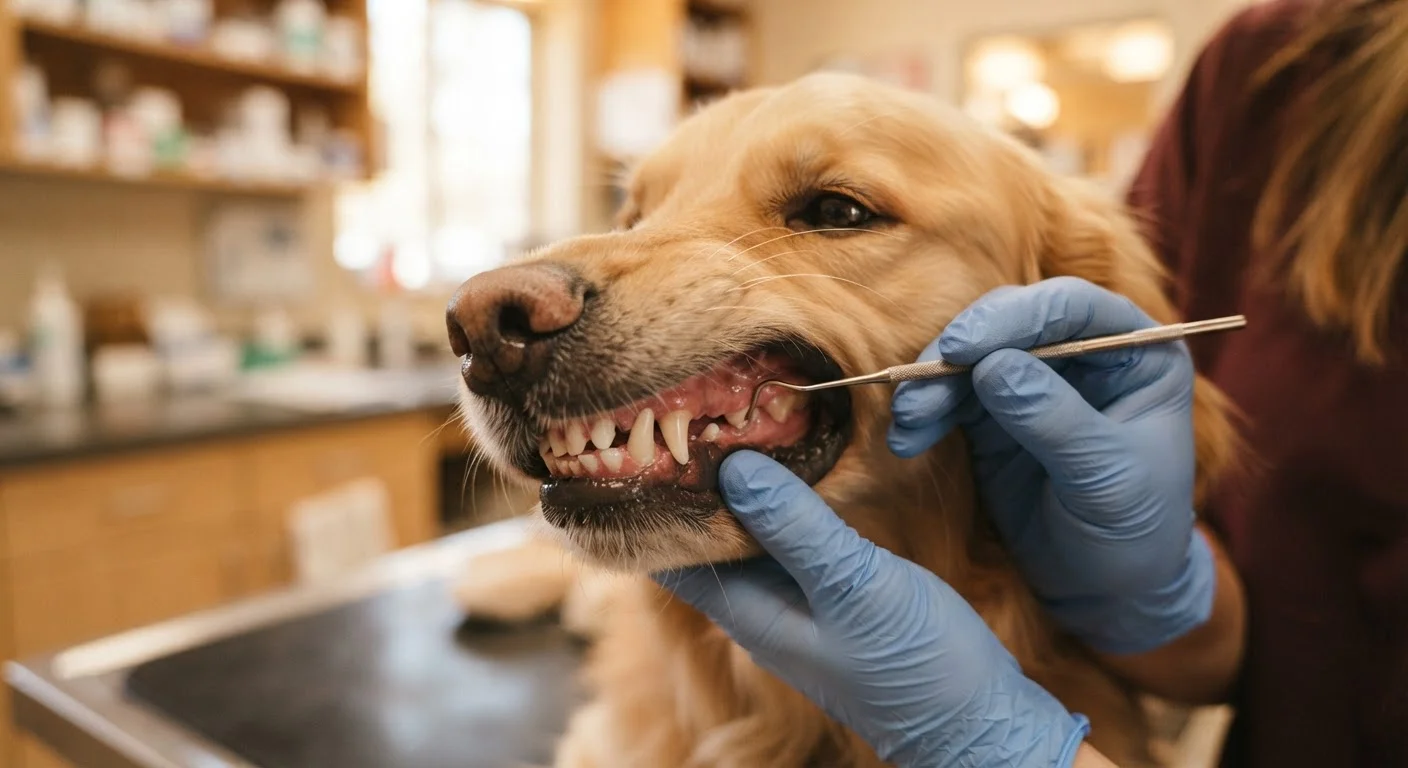
Photo credit: FaqInsider.com
In this article
Persistent bad breath in dogs can signal gum disease or systemic illness. Here's what's happening inside that mouth.
Key Takeaways
- Persistent bad breath in dogs is rarely normal - it usually signals bacterial buildup or disease.
- Periodontal disease can progress silently; dogs often hide discomfort until the condition is advanced.
- Bacteria from gum disease can enter the bloodstream and affect the heart, kidneys, and liver.
- Regular brushing and annual veterinary dental exams are the most effective prevention tools.
- Fruity or ammonia-like breath (not just 'dog breath') may point to systemic illness requiring prompt veterinary care.
What 'Dog Breath' Is Actually Telling You
Many owners dismiss their dog's bad breath as an unavoidable quirk of pet ownership. It isn't. While dogs don't have minty-fresh breath by nature, a persistent foul odor - especially one that's noticeably strong, rotten, or unusual - is your dog's mouth sending a message worth decoding.
The primary cause is bacterial activity. When plaque accumulates on tooth surfaces, the bacteria within it produce waste compounds that smell. Over time, plaque mineralizes into tartar (also called calculus), a hard, yellowish crust that cannot be removed by brushing and creates an even more hospitable environment for harmful bacteria to thrive near the gumline.
This process is gradual and largely invisible until it becomes significant. By the time owners notice the odor or visible tartar, some degree of gum inflammation - called gingivitis - has typically already set in. See our full breakdown of what healthy pet teeth look like for a visual reference to compare against.
A Common Myth Worth Correcting
Many owners believe that dogs naturally have bad breath, or that it's an unavoidable side effect of eating kibble or chewing things outdoors. In reality, routine dental care can dramatically reduce or eliminate chronic bad breath. If your dog's breath is consistently strong, that's data - not just a dog being a dog. See other widespread pet health myths for more examples of assumptions worth questioning.
From Smelly Breath to Systemic Risk
Gum disease doesn't stay confined to the mouth. As infection deepens below the gumline, bacteria can enter the bloodstream through inflamed tissue. Research in veterinary medicine has identified associations between chronic periodontal disease and damage to the heart valves, kidneys, and liver - organs that filter or are exposed to circulating blood.
This is why dental disease is considered a whole-body concern rather than a cosmetic issue. A dog experiencing advanced periodontal disease may be in significant discomfort while showing few obvious signs - dogs are instinctively good at masking pain, which means owners often don't realize how uncomfortable their pet is until a veterinarian identifies the problem.
Dental disease progresses in stages, from mild gingivitis to bone loss around the tooth roots. The earlier intervention happens, the less invasive - and less expensive - the treatment.
80%+
Dogs showing dental disease signs by age 3
According to the American Veterinary Dental College, most dogs exhibit some evidence of periodontal disease by their third year of life.
#1
Most common health condition in adult dogs
Periodontal disease is consistently ranked as the most frequently diagnosed condition in adult dogs during routine veterinary exams.
Daily
Recommended brushing frequency for dogs
Veterinary dental guidelines recommend daily tooth brushing as the gold standard for at-home plaque prevention in dogs.
When Bad Breath Points Beyond the Mouth
Not all unusual breath odors in dogs come from dental disease. The type of smell can point in different directions:
- Sweet or fruity breath: May be associated with diabetes mellitus, a condition in which the body metabolizes fat for energy, producing ketone compounds with a distinctive odor.
- Ammonia or urine-like breath: Can be a sign of kidney dysfunction, as the kidneys become less able to filter waste from the blood.
- Unusually foul, fetid odor: More consistent with bacterial infection, tooth root abscess, or severe periodontal disease.
None of these should be managed at home with treats or dental sprays alone. If the odor is unusual or has appeared suddenly, a veterinary exam is the appropriate next step. Use your monthly at-home wellness check as a structured opportunity to notice changes in your dog's breath, gum color, and chewing behavior between vet visits.
What You Can Do at Home - and When to Call the Vet
Prevention is significantly more manageable than treatment. The most impactful thing an owner can do is brush their dog's teeth regularly using a toothbrush designed for dogs and a pet-safe enzymatic toothpaste. Daily brushing is ideal, but even three to four times per week meaningfully reduces plaque accumulation.
Beyond brushing, routine veterinary dental exams - typically once a year for most adult dogs - allow a professional to assess gum depth, spot early disease, and recommend professional cleaning under anesthesia when needed. Anesthesia is required for thorough cleaning because it allows the veterinarian to safely scale below the gumline and take dental X-rays, which reveal problems not visible to the naked eye.
Start Brushing Early for Best Results
Puppies and young dogs adapt more easily to tooth brushing than older dogs introduced to it for the first time. Even if your dog is older, a gradual introduction - starting with just touching the lips, then the teeth, then adding a toothbrush - can make the process manageable. Ask your vet to demonstrate technique at your next visit.
Contact your veterinarian promptly if you notice any of the following: visibly red, swollen, or bleeding gums; a tooth that appears loose or discolored; your dog dropping food or chewing only on one side; pawing at the mouth; or any sudden change in breath odor. These are signs that dental disease may already be progressing and warrants professional assessment.
This article is for general informational purposes only and does not constitute veterinary advice. Always consult a licensed veterinarian for guidance specific to your dog's health needs.
Frequently Asked Questions

Author
Pets & Animals Editorial Team
Pets & Animals Editorial Team is the collective byline for our editorial team and contributor network. Articles published under this byline or an editorial pen name are researched, written, and reviewed according to our editorial standards for clarity, consistency, and independence before publication.
View all articles →