
Dental Health in Dogs and Cats: What Goes Wrong Without Regular Care
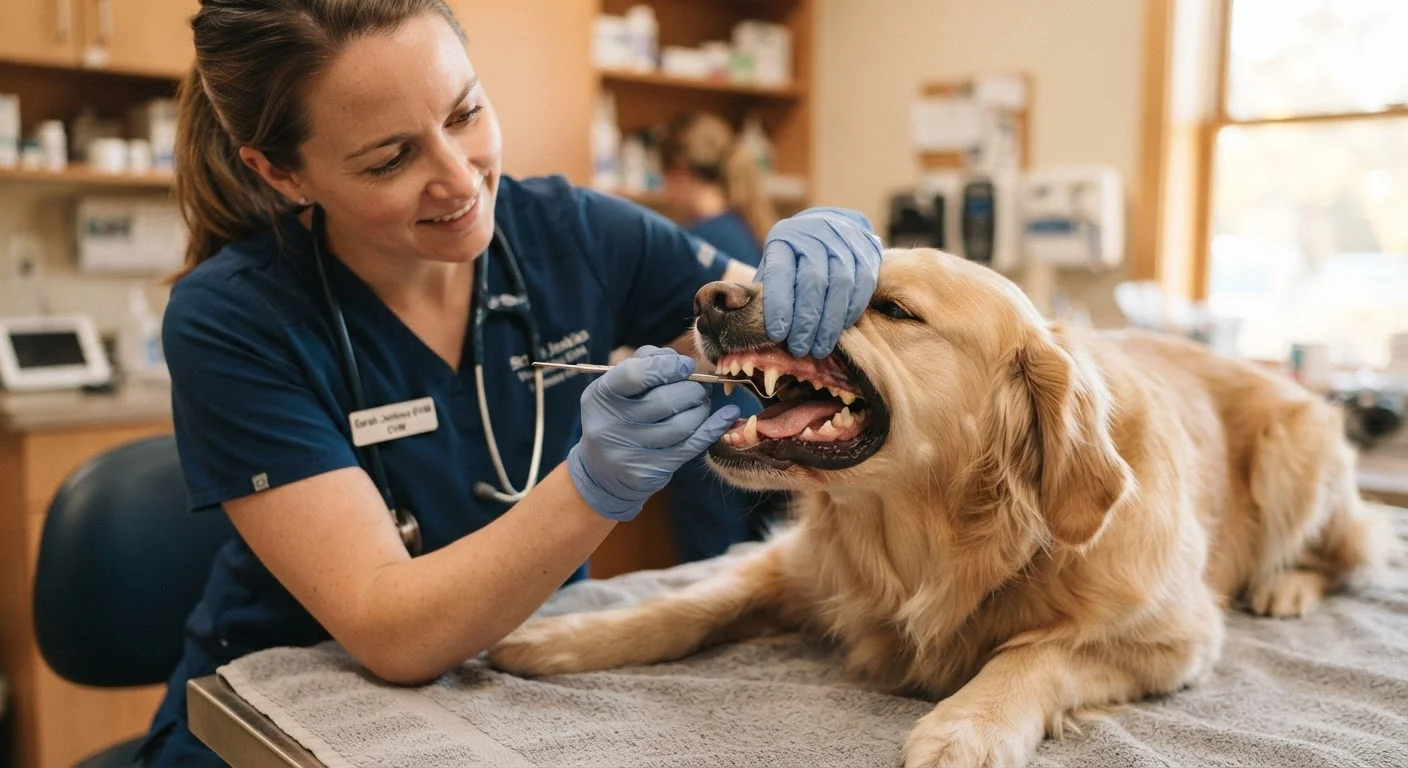
Photo credit: FaqInsider.com
In this article
Poor dental hygiene is linked to serious systemic health issues in pets. Learn what plaque buildup leads to and how owners can help prevent it.
Key Takeaways
- Plaque hardens into tartar within 72 hours, making brushing a time-sensitive daily habit.
- Untreated gum disease can affect the heart, kidneys, and liver through bacterial spread.
- Both dogs and cats commonly hide oral pain, so visible symptoms often mean disease has already progressed.
- Professional cleanings under anesthesia are the only way to address tartar below the gumline.
- Starting dental care early - even in puppies and kittens - dramatically reduces lifetime risk.
The Hidden Progression of Dental Disease
Dental disease in dogs and cats follows a predictable, often silent path. It starts with plaque - a soft bacterial film that coats teeth after every meal. Within roughly 72 hours, minerals in saliva harden that plaque into tartar (also called calculus), a rough, porous surface that traps even more bacteria. Once tartar forms, no amount of brushing will remove it at home.
As tartar accumulates along and beneath the gumline, it triggers inflammation in the surrounding tissue - a condition called gingivitis. If left unchecked, gingivitis advances into periodontitis, which involves the breakdown of the ligaments and bone supporting the teeth. This is where things become genuinely serious: damaged support structures can cause tooth loss and create open pathways for bacteria to enter the bloodstream.
According to veterinary dentistry organizations, periodontal disease is estimated to affect the majority of dogs and cats by the time they are three years old. That's a striking figure - and a strong argument for starting preventive habits early. For a broader look at what healthy versus diseased teeth look like, see our Pet Dental Health Decoded guide.
Why Dental Problems Don't Stay Local
Many pet owners think of dental disease as a mouth problem. In reality, its effects can reach well beyond the teeth and gums. When bacteria from infected gum tissue repeatedly enter the bloodstream, they can travel to major organs. Veterinary research has linked severe periodontal disease with changes in cardiac tissue, kidney function, and liver health in companion animals - though the precise mechanisms are still being studied.
“Periodontal disease is the most commonly diagnosed condition in small animal practice, yet it remains one of the most undertreated. By the time owners notice symptoms, significant tissue damage has often already occurred.”
— American Veterinary Dental College, Veterinary dental specialty organization and professional standards body
Cats present a particular challenge: they are exceptionally good at masking discomfort. A cat may stop grooming the left side of its face, drop food while chewing, or show subtle shifts in appetite - all signs that oral pain may be present, but easy to attribute to other causes. Dogs may paw at their mouths, resist having their faces touched, or show behavioral changes like irritability around mealtimes.
Because pets rarely signal tooth pain the way humans do, owners often don't realize there's a problem until disease is advanced. This makes proactive monitoring - and routine veterinary checkups - essential tools. Learn more about how dental health fits into your pet's overall preventive care plan in our First-Time Pet Owner's Roadmap to Preventive Care.
Best Practices for Protecting Your Pet's Teeth
The good news: most dental disease is preventable with consistent, layered care. No single tool does everything, but combining a few reliable habits creates meaningful protection over your pet's lifetime.
Brush your pet's teeth daily using pet-safe toothpaste.
Daily brushing is the single most effective home intervention for preventing plaque from hardening into tartar. Human toothpaste contains ingredients toxic to pets, so only use formulations approved for animals. Consistency matters more than technique - even 30 seconds of brushing on the outer tooth surfaces helps.
Schedule a professional dental cleaning at least once a year.
Only a veterinary cleaning performed under general anesthesia can safely reach beneath the gumline, where the most damaging tartar accumulates. At-home care maintains what a professional cleaning achieves but cannot replace it. Some pets - especially small breeds and flat-faced animals - may need more frequent cleanings.
Incorporate supplemental dental tools as part of a layered approach.
Dental chews, water additives, and dental diets that carry a veterinary oral health seal of acceptance can help reduce plaque and tartar between brushings. These tools work best as complements to brushing, not replacements for it. Always choose products formulated and approved specifically for pets.
Monitor your pet's mouth monthly for early warning signs.
Catching changes early - yellow-brown buildup along the gumline, red or swollen gums, or behavioral shifts like dropping food - gives you the opportunity to address problems before they progress. Early-stage gingivitis is reversible; advanced periodontitis is not.
Start dental habits with puppies and kittens as early as possible.
Pets that are handled around their mouths from a young age are far more tolerant of brushing and oral exams as adults. Early habituation also means you establish a baseline for what's normal, making it easier to spot changes as your pet ages.
If you're not sure whether your pet's breath or gum color is within normal range, our related article on why bad breath in dogs is more than a nuisance walks through what those signals may indicate. And for a clear breakdown of how often professional exams should happen, see our guide on annual vet visits vs. as-needed care.
Getting Started: Quick Wins for Dental Care
You don't need to overhaul your entire routine overnight. A few targeted actions - started today - can meaningfully reduce the buildup of plaque and lower your pet's risk for oral disease.
This article is for general informational and educational purposes only and is not a substitute for professional veterinary advice. Always consult a licensed veterinarian for concerns about your pet's health or oral care needs.

Author
Pets & Animals Editorial Team
Pets & Animals Editorial Team is the collective byline for our editorial team and contributor network. Articles published under this byline or an editorial pen name are researched, written, and reviewed according to our editorial standards for clarity, consistency, and independence before publication.
View all articles →