
Food Toppers, Raw Diets, and Homemade Meals: Weighing the Nutritional Tradeoffs
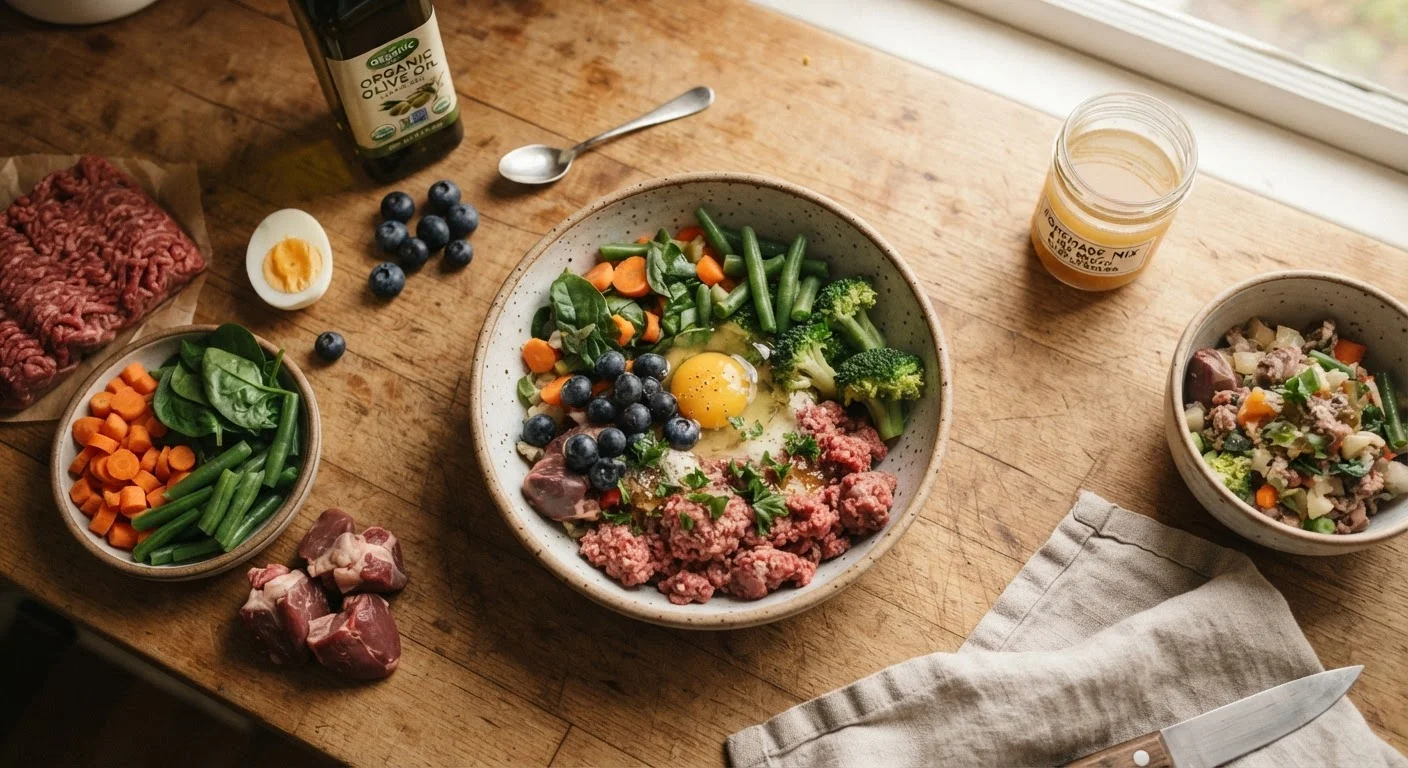
Photo credit: FaqInsider.com
In this article
Alternative feeding approaches each come with genuine benefits and real risks. Here's a balanced look at what the evidence currently supports.
Key Takeaways
- Food toppers can boost palatability and nutrients but may unbalance a complete commercial diet if overused.
- Raw diets carry genuine pathogen risks that the FDA and veterinary organizations have flagged as a concern.
- Homemade meals offer full ingredient control but require careful formulation to avoid chronic nutrient deficiencies.
- No single alternative feeding approach is universally superior - the right choice depends on your pet's health, age, and your lifestyle.
- A veterinary nutritionist consultation is strongly recommended before making any major dietary change.
Easy to introduce without overhauling the whole diet
Toppers can be added gradually and adjusted easily, making them a low-commitment starting point for owners curious about fresh food additions.
Can improve palatability for picky eaters
Pets who refuse a complete commercial food may eat more consistently when a small amount of palatable topper is added, supporting adequate daily nutrition.
Targeted nutrient additions are possible
Specific toppers - such as plain canned sardines for omega-3s or cooked egg for extra protein - can address individual needs without a full diet overhaul.
Significant pathogen risk for pets and humans
Raw meat can harbor Salmonella, Listeria, and other bacteria. The FDA has confirmed these risks in commercially produced raw pet foods as well as home-prepared versions.
Most homemade raw recipes are nutritionally incomplete
Studies consistently show that owner-formulated raw diets frequently lack critical minerals and vitamins, with deficiencies that may take months to manifest clinically.
Bone feeding carries injury risks
Raw meaty bones, a staple of prey-model feeding, can cause tooth fractures, esophageal obstruction, or intestinal perforation - injuries that may require emergency veterinary care.
Difficult to maintain consistent nutrient balance over time
Even well-designed raw diets can drift out of balance as ingredient sourcing changes or recipes are modified without professional recalculation.
Why Pet Owners Are Looking Beyond the Bag
Growing human interest in whole-food eating and ingredient transparency has spilled into the pet food aisle. Many owners feel uneasy about highly processed kibble and want to do something more intentional for their dogs or cats. The appeal is understandable - but the jump from concern to action can bypass some important nutritional science.
Before exploring each approach, one principle is worth anchoring: companion animals have very specific nutrient requirements. Dogs and cats both need precise balances of protein, fat, vitamins, and minerals - and deficiency or excess in any one area can produce health problems that may not show up for months or even years. That baseline shapes every tradeoff discussed below. For a broader look at feeding format choices, see Wet Food vs. Dry Food: How to Think About Your Pet's Diet.
Food Toppers: Small Additions, Real Consequences
A food topper is anything added to a commercially complete meal - a spoonful of pumpkin puree, a drizzle of bone broth, a handful of cooked chicken, or a commercially sold freeze-dried topper product. They're popular because they're easy, and many pets who are picky eaters respond well to them.
Easy to introduce without overhauling the whole diet
Toppers can be added gradually and adjusted easily, making them a low-commitment starting point for owners curious about fresh food additions.
Can improve palatability for picky eaters
Pets who refuse a complete commercial food may eat more consistently when a small amount of palatable topper is added, supporting adequate daily nutrition.
Targeted nutrient additions are possible
Specific toppers - such as plain canned sardines for omega-3s or cooked egg for extra protein - can address individual needs without a full diet overhaul.
The hidden risk is caloric and nutritional displacement. If toppers regularly make up 10-20% of a pet's daily intake, they can quietly dilute the nutrient ratios in a food that was formulated to be complete on its own. Protein-heavy toppers added to an already protein-rich diet can stress kidneys in older pets. Fatty additions can trigger digestive upset or, in dogs prone to pancreatitis, a more serious flare.
Used thoughtfully - as an occasional palatability boost or to deliver a specific nutrient like omega-3s from plain canned fish - toppers can be genuinely useful. The key is keeping them to roughly 10% or less of total daily calories and choosing additions that complement, rather than compete with, the base diet.
Raw Diets: Strong Opinions, Mixed Evidence
Raw feeding - sometimes called BARF (Biologically Appropriate Raw Food) or prey-model feeding - typically involves uncooked muscle meat, organ meat, raw meaty bones, and sometimes vegetables or dairy. Proponents argue it mirrors what dogs and cats evolved to eat and point to anecdotal improvements in coat quality, digestion, and energy.
Significant pathogen risk for pets and humans
Raw meat can harbor Salmonella, Listeria, and other bacteria. The FDA has confirmed these risks in commercially produced raw pet foods as well as home-prepared versions.
Most homemade raw recipes are nutritionally incomplete
Studies consistently show that owner-formulated raw diets frequently lack critical minerals and vitamins, with deficiencies that may take months to manifest clinically.
Bone feeding carries injury risks
Raw meaty bones, a staple of prey-model feeding, can cause tooth fractures, esophageal obstruction, or intestinal perforation - injuries that may require emergency veterinary care.
Difficult to maintain consistent nutrient balance over time
Even well-designed raw diets can drift out of balance as ingredient sourcing changes or recipes are modified without professional recalculation.
The scientific literature paints a more cautious picture. The U.S. Food and Drug Administration (FDA) and the American Veterinary Medical Association (AVMA) have both documented concerns about raw pet foods, including the presence of pathogens such as Salmonella and Listeria monocytogenes that pose risks to pets and to the humans handling the food. Studies have also found raw diets are frequently nutritionally unbalanced when owners formulate them at home without guidance.
High-Pressure Processing and Raw Safety
Some commercially prepared raw pet foods use high-pressure processing (HPP), a method that applies intense pressure to reduce bacterial contamination without using heat. HPP can lower pathogen counts meaningfully, but it does not guarantee elimination of all bacteria and does not address nutritional completeness. If you're considering a commercial raw product, checking for HPP on the label is one useful data point - but it's not the only one.
Some commercially prepared raw diets undergo high-pressure processing (HPP) to reduce pathogen load, which may address some - though not all - of the safety concerns. Nutritional completeness still varies widely by product and formulation.
Homemade Meals: Maximum Control, Maximum Responsibility
Cooking for your pet from scratch gives you complete visibility into every ingredient. For pets with multiple food allergies, complex health conditions, or strong texture preferences, a properly formulated homemade diet can be genuinely transformative. It also eliminates concerns about recalls or undisclosed processing practices.
The challenge is that "properly formulated" is doing a lot of work in that sentence. Research published in veterinary nutrition journals has consistently found that the vast majority of homemade pet diet recipes available online - even those from veterinary websites - are nutritionally incomplete. Common deficiencies include calcium, zinc, vitamin D, and certain essential fatty acids. These gaps may not be visible in a pet's coat or behavior for a long time, but they can cause real structural and metabolic harm over months or years.
If you want to pursue homemade feeding, the standard of care recommendation is to work with a board-certified veterinary nutritionist who can design a recipe tailored to your specific pet's age, weight, life stage, and health status. The Pet Care Basics hub has additional foundational guidance worth reviewing alongside any dietary change.
Reading Your Pet's Response
Regardless of which approach you're considering, your pet's body will give you feedback - if you know what to look for. Signs that a dietary change is going well include consistent, well-formed stools, stable energy levels, a coat that looks and feels healthy, and maintained or appropriately adjusted body weight. Concerning signals include persistent loose stool or constipation, increased lethargy, unexplained weight loss or gain, excessive itching, or dull, brittle fur.
These signs aren't diagnostic on their own - many health conditions can produce similar symptoms. But they're useful prompts to schedule a veterinary check-in, especially if you've recently changed your pet's diet. Annual bloodwork can also catch nutrient imbalances that aren't visible externally, which is especially valuable for pets on non-standard diets.
This article is for general informational purposes only and does not constitute veterinary or medical advice. Always consult a licensed veterinarian or board-certified veterinary nutritionist before making significant changes to your pet's diet.

Author
Pets & Animals Editorial Team
Pets & Animals Editorial Team is the collective byline for our editorial team and contributor network. Articles published under this byline or an editorial pen name are researched, written, and reviewed according to our editorial standards for clarity, consistency, and independence before publication.
View all articles →