
Wet Food vs. Dry Food: How to Think About Your Pet's Diet
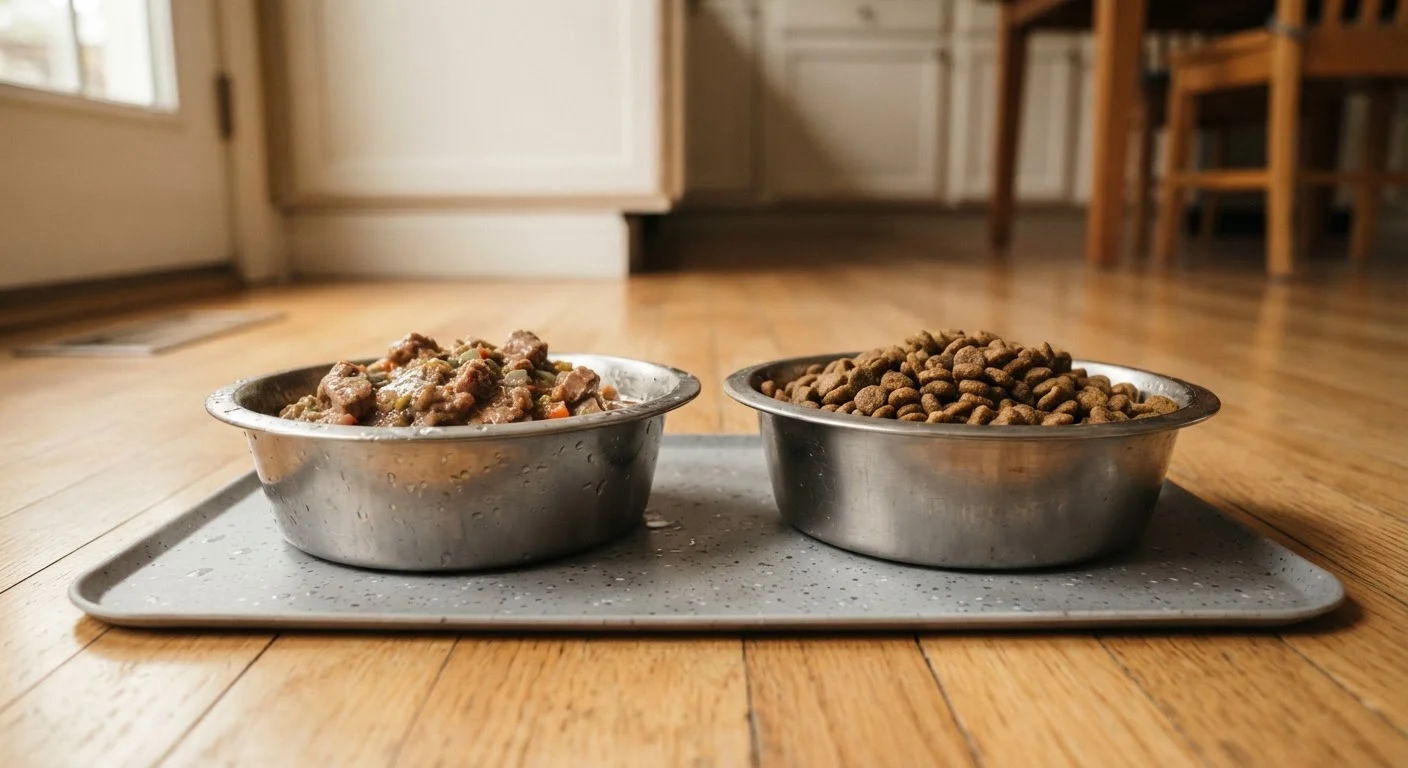
Photo credit: FaqInsider.com
In this article
Wet and dry pet foods each have real trade-offs. Understand the nutritional, dental, and convenience differences before choosing what goes in the bowl.
Key Takeaways
- Wet food provides significantly more moisture, which can support urinary and kidney health in cats and dogs.
- Dry kibble is more calorie-dense per ounce and generally more cost-effective over time.
- Neither format is universally superior - the right choice depends on your individual pet's health, life stage, and preferences.
- Some veterinarians suggest combining both formats to balance convenience and hydration benefits.
- Always check that any food carries an AAFCO nutritional adequacy statement appropriate for your pet's life stage.
What Sets These Two Formats Apart
At their core, wet and dry pet foods deliver similar macronutrients - protein, fat, and carbohydrates - but in very different forms. The most significant difference is moisture content. Canned wet food is typically composed of 70-80% water, while dry kibble usually contains only 6-10% moisture. This single variable has cascading effects on how pets digest food, how full they feel, and how much water they consume overall.
Dry kibble goes through a manufacturing process called extrusion, where ingredients are cooked under high heat and pressure and formed into small pieces. This makes kibble shelf-stable, easy to store, and calorie-dense. Wet food, by contrast, is typically cooked in sealed cans or pouches, which preserves moisture and can make nutrients more bioavailable in some cases.
For a structured look at how these formats compare across key criteria, see the comparison table below.
| Criterion | Wet Food (Canned) | Dry Food (Kibble) |
|---|---|---|
| Moisture Content | 70-80% | 6-10% |
| Caloric Density | Lower per ounce | Higher per ounce |
| Cost Per Serving | Generally higher | Generally lower |
| Shelf Life After Opening | 1-2 days refrigerated | Weeks to months |
| Dental Benefit | Minimal | Modest friction; not proven clinically |
| Palatability | High (strong aroma, varied texture) | Moderate; varies by formula |
| Hydration Support | Significant | Minimal |
| Ease of Portioning | Moderate | Easy |
Nutrition, Hydration, and Health Considerations
From a pure nutrition standpoint, both formats can be complete and balanced - what matters is whether the food meets AAFCO nutritional standards for your pet's life stage. The label phrase "complete and balanced" indicates the food has met these guidelines, either through formulation or feeding trials.
Where the formats diverge most meaningfully is hydration. Cats, in particular, have a low thirst drive rooted in their evolutionary history as desert animals. They are biologically inclined to obtain most of their water from food rather than a bowl. A cat eating only dry kibble may chronically consume less water than is ideal, which some veterinary nutritionists associate with increased risk of lower urinary tract disease and chronic kidney disease over time. See our guide to pet hydration for a deeper look at how diet affects fluid intake.
Dogs are generally better at drinking water independently, but pets with kidney disease, diabetes, or a history of urinary crystals may still benefit from the extra moisture wet food provides. Conversely, pets managing their weight need careful attention to caloric density - wet food can feel more filling at fewer calories, which may help with portion control.
70-80%
Moisture content in typical wet pet food
Compared to roughly 6-10% in dry kibble, according to general AAFCO nutritional guidelines used by pet food manufacturers.
3-4x
Approximate cost difference per calorie
Wet food typically costs several times more per calorie than dry kibble, based on general retail comparisons across standard commercial pet food categories.
~60%
Of a cat's daily water intake ideally from food
Veterinary nutrition guidelines suggest cats evolved to obtain much of their hydration from prey, making dietary moisture especially relevant for the species.
Dental Health: A Common Point of Confusion
One of the most persistent myths in pet nutrition is that dry food automatically cleans teeth. The reality is more nuanced. While the mechanical action of chewing kibble does create some friction against tooth surfaces, most kibble shatters before it reaches the gumline where plaque accumulates most. The VOHC certifies specific dental diets and treats that have been shown in clinical trials to reduce plaque or tartar - standard kibble rarely meets that bar.
Wet food, on the other hand, leaves no mechanical cleaning action and can adhere to tooth surfaces. Neither format replaces the gold standard of pet dental care: regular tooth brushing and periodic professional cleanings from a veterinarian. Dental health should be considered a separate care priority from food format selection.
Practical Factors: Cost, Convenience, and Combination Feeding
Beyond nutrition, everyday logistics matter. Dry kibble wins on convenience - it can be left in a bowl for hours without spoiling, is easy to measure, and typically costs less per serving. Wet food must be refrigerated after opening and discarded within a day or two, which adds some complexity, especially in multi-pet households with varying meal sizes.
Many veterinarians suggest a combined approach: feeding wet food once daily for hydration benefits while using dry food as the remaining portion. This can be a practical middle ground, though owners should monitor total caloric intake to avoid overfeeding. If you're exploring other feeding formats entirely, our overview of alternative diets covers the trade-offs of raw, homemade, and topper-based approaches.
Nutritional needs also change as pets age. A food that works well for an active adult dog may not be appropriate for a senior with reduced kidney function or a puppy with higher protein demands. Our life-stage nutrition explainer breaks down what changes across the different phases of a pet's life and why those differences matter.
This article is for general informational purposes only and does not constitute veterinary or medical advice. Consult a licensed veterinarian before making significant changes to your pet's diet, especially if your pet has an existing health condition.

Author
Pets & Animals Editorial Team
Pets & Animals Editorial Team is the collective byline for our editorial team and contributor network. Articles published under this byline or an editorial pen name are researched, written, and reviewed according to our editorial standards for clarity, consistency, and independence before publication.
View all articles →