
Hydration and Pets: How Much Water Is Enough-and When to Worry
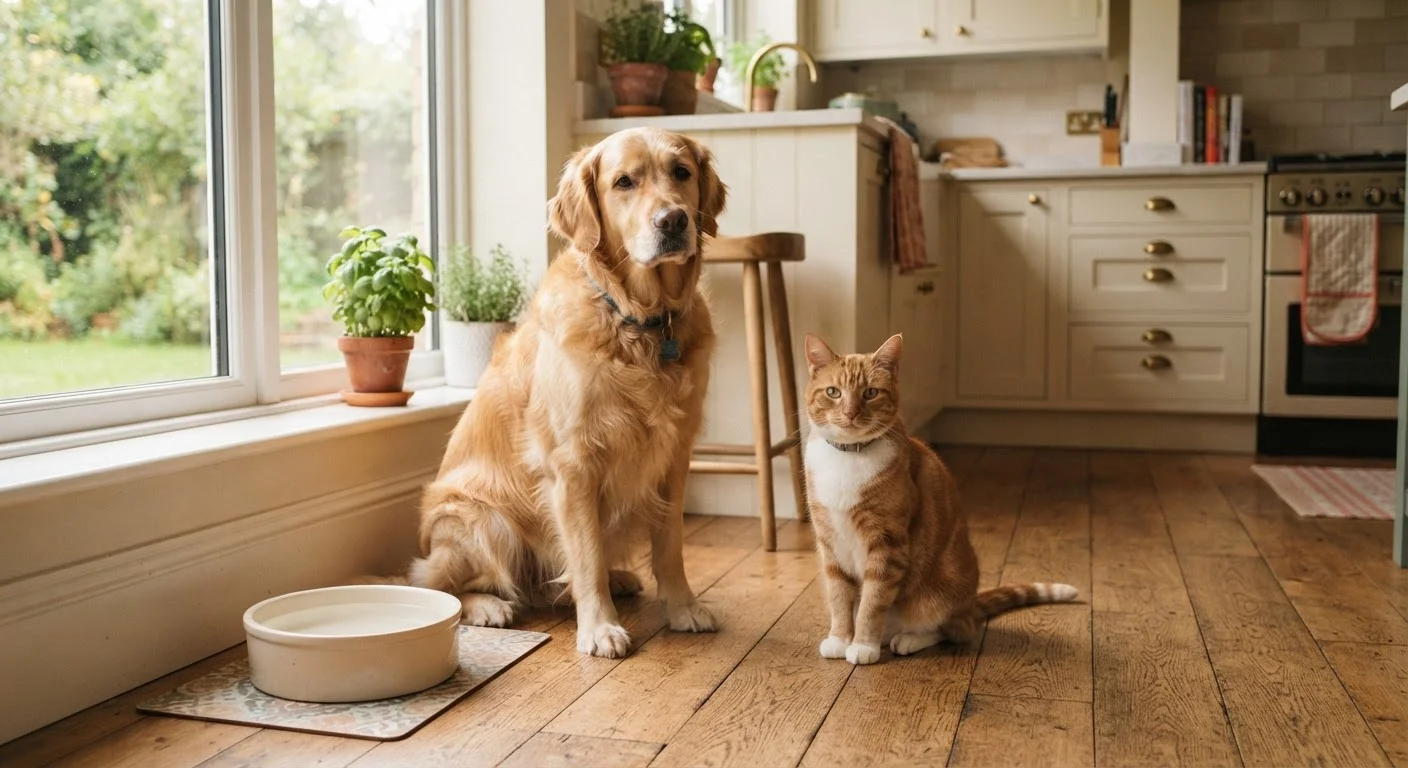
Photo credit: FaqInsider.com
In this article
Water intake varies by species, size, and diet. Learn the signs of adequate hydration and when thirst changes signal trouble.
Key Takeaways
- Dogs generally need about 1 ounce of water per pound of body weight daily, though diet and activity affect this.
- Cats on dry food diets typically drink more than cats eating wet food, which contains significant moisture.
- Skin elasticity and gum moisture are two easy at-home checks for basic hydration status.
- Sudden increases or decreases in drinking can both signal underlying health issues worth discussing with a vet.
- Senior pets are especially vulnerable to dehydration and changes in thirst - monitor them closely.
- Always consult a veterinarian if you notice persistent changes in your pet's water consumption.
Why Water Matters for Pets
Water is involved in nearly every biological process your pet's body performs - from digesting food and regulating body temperature to transporting nutrients and flushing waste. Without adequate hydration, these systems start to strain quickly.
Unlike food, water isn't something animals can go long without. Even mild dehydration - losing just a small percentage of body water - can affect energy levels, organ function, and overall comfort. For everyday owners, understanding the role water plays is the first step toward spotting when something is off.
Hydration needs also vary widely by species. Dogs, cats, rabbits, and birds all have different baseline requirements shaped by their physiology and evolutionary history. What looks like too little water for a dog might be perfectly normal for a cat. Context always matters. For a broader look at how pet care basics connect to daily health, our hub covers the essentials in one place.
Dehydration
A state in which the body has lost more fluid than it has taken in, impairing normal body functions. Even mild dehydration can affect a pet's energy and organ health.
Polydipsia
The medical term for excessive thirst or drinking. In pets, a persistent increase in water intake can be a sign of an underlying health condition.
Skin turgor test
A simple at-home check where you gently pinch and release the skin at the back of a pet's neck. Healthy skin snaps back immediately; slow return may suggest dehydration.
Wet food vs. dry food
Wet pet food contains significantly more moisture (often 70-80%) than dry kibble (around 10%). This difference directly affects how much a pet needs to drink from a water bowl.
Water intake baseline
The typical amount of water a pet drinks on an average day. Knowing your pet's normal baseline makes it easier to spot meaningful increases or decreases.
How Much Water Should Your Pet Drink?
For dogs, a commonly cited general guideline is roughly 1 ounce of water per pound of body weight per day - so a 30-pound dog might drink around 30 ounces. But this is a starting point, not a rule. Activity level, temperature, and diet all shift the number significantly.
Cats drink considerably less than dogs by comparison, partly because they get meaningful moisture from food. A cat eating wet food may drink very little from a bowl and still be well-hydrated. A cat eating dry kibble will typically drink noticeably more. Understanding what's normal for your specific pet - based on their diet and habits - matters more than matching an average.
For small mammals like rabbits or guinea pigs, hydration often comes from a combination of drinking and fresh produce. If you have a less common pet, your veterinarian is the best source for species-specific guidance. As detailed in our companion article on pet hydration status, diet type plays a larger role than many owners realize.
Know Your Pet's Normal First
Rather than comparing your pet to a chart, spend a week simply observing how much they drink and how often. This personal baseline is far more useful than a general average. Deviations from your pet's own pattern are the most reliable signal that something may have changed.
Signs Your Pet Is Well-Hydrated
Good hydration doesn't always look dramatic - it shows up in ordinary details. A well-hydrated pet generally has moist, pink gums (not dry or pale), alert eyes without sunken appearance, and normal energy levels for their age and breed.
One of the most accessible checks is the skin turgor test: gently lift a small fold of skin on the scruff of the neck and release it. In a hydrated pet, it springs back into place almost immediately. If it returns slowly or stays tented, dehydration may be a factor - though this test is a rough guide, not a diagnosis.
Urine color can also be informative in some pets. Very dark or concentrated urine may suggest insufficient water intake, while clear, regular urination generally signals adequate hydration. Of course, these signs exist on a spectrum, and any significant or sudden changes warrant a call to your vet.
Warning Signs of Dehydration
Dehydration in pets can develop gradually and sometimes goes unnoticed until it becomes serious. Common warning signs include:
- Lethargy or unusual tiredness - less interest in play or movement than normal
- Dry or tacky gums - gums that feel sticky rather than moist
- Sunken or dull eyes
- Reduced or absent urination
- Loss of appetite paired with low water intake
- Panting or rapid breathing without obvious exertion (especially in dogs)
If your pet is showing multiple signs at once, or if dehydration seems severe, contact your veterinarian promptly. Dehydration can be a symptom of something else going on, not just a matter of access to water. It's also worth noting that appetite loss and reduced drinking often occur together and may signal the same underlying issue.
Don't Wait If Symptoms Are Severe
If your pet is vomiting, has diarrhea, appears extremely lethargic, or seems unable to keep water down, seek veterinary care promptly rather than waiting to see if things improve. Severe dehydration can escalate quickly and may indicate an urgent underlying condition.
When Drinking Too Much Is Also a Red Flag
Most owners watch for pets drinking too little, but a sudden, sustained increase in thirst - a condition vets call polydipsia - can be equally significant. If your pet seems to be at the water bowl constantly, or is waking up at night to drink, take note.
Increased water intake can be linked to conditions such as diabetes mellitus, kidney disease, Cushing's disease (a hormonal disorder), or certain medications. It can also reflect hot weather or more activity, which are benign explanations - but when the cause isn't obvious, the pattern deserves attention.
Tracking your pet's drinking habits over a few days is genuinely useful. Some owners measure daily water intake by filling the bowl to a consistent level each morning and checking what remains at night. If you notice a persistent change, bring this information to your vet. For more guidance on reading subtle shifts in your pet's behavior, see our article on monitoring senior pet changes - many of these principles apply to pets of all ages.
Practical Tips for Encouraging Good Hydration
Keeping your pet well-hydrated doesn't require major effort - mostly it's about removing friction and making water appealing.
- Refresh water daily. Pets often prefer fresh water and may avoid a stale bowl. Clean the bowl regularly, too - biofilm builds up quickly.
- Consider bowl placement. Some cats prefer their water source to be away from their food bowl. Dogs do better with bowls in accessible, low-stress spots.
- Try a pet water fountain. Many cats and some dogs are more drawn to moving water, which also stays fresher.
- Incorporate wet food. If your pet is on dry food, adding wet food periodically - or mixing in a small amount of water - increases moisture intake meaningfully.
- Multiple water stations. In multi-pet or multi-floor homes, several water points reduce competition and improve access.
For pets with changing needs - particularly older animals - hydration habits are worth watching closely. As covered in our guide on how senior pet health needs shift, thirst changes in aging pets can sometimes be an early signal worth addressing with a vet.
This article is for general informational purposes only and is not a substitute for professional veterinary advice. Always consult a licensed veterinarian if you have concerns about your pet's health or hydration.
Frequently Asked Questions

Author
Pets & Animals Editorial Team
Pets & Animals Editorial Team is the collective byline for our editorial team and contributor network. Articles published under this byline or an editorial pen name are researched, written, and reviewed according to our editorial standards for clarity, consistency, and independence before publication.
View all articles →