
Hydration and Your Pet: More Than Just a Full Water Bowl
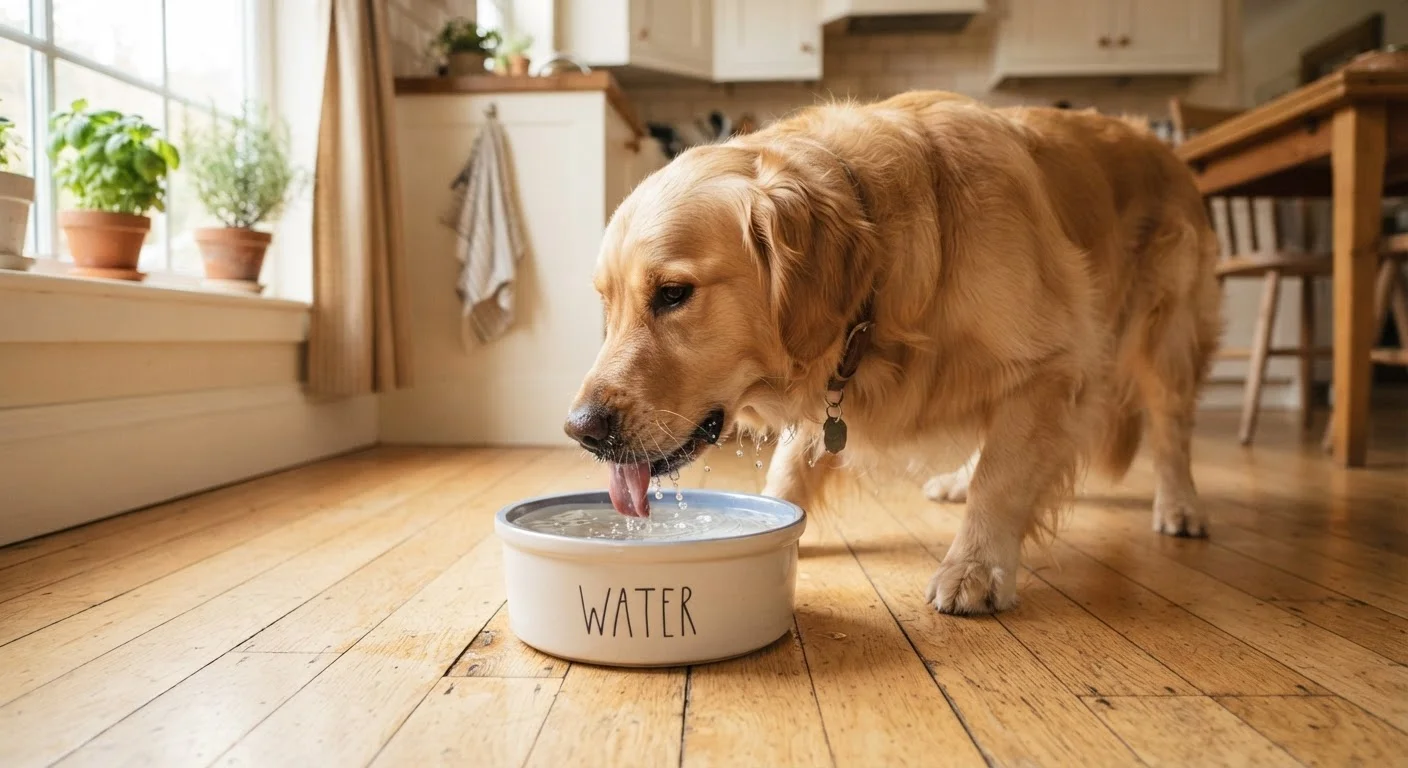
Photo credit: FaqInsider.com
In this article
Dehydration in pets can be subtle and dangerous. Learn how water intake, diet, and species differences all affect your pet's hydration status.
Key Takeaways
- Pets get water both from drinking and from the moisture content in their food.
- Dehydration in pets can be subtle - visible signs often appear only after significant fluid loss.
- Cats are naturally inclined to drink less water and benefit greatly from moisture-rich diets.
- Senior pets are at higher risk for dehydration and require closer monitoring.
- Changes in drinking habits can signal underlying health problems worth discussing with a vet.
- The skin turgor test and gum check are two simple at-home indicators of hydration status.
Where Your Pet's Water Actually Comes From
Most owners think of hydration as a simple equation: fill the bowl, problem solved. But your pet's water intake is more layered than that. Animals absorb moisture from two main sources - drinking and food.
Dry kibble contains roughly 10% moisture, while canned wet food can be 70-80% water. That difference matters enormously. A cat eating primarily dry food must compensate by drinking significantly more water from a bowl - something cats are not naturally inclined to do. Dogs are more active drinkers, but their needs still shift based on diet, weather, and physical activity.
For a deeper look at how diet format affects hydration, see how wet and dry food compare for your pet.
70-80%
Water content in canned wet pet food
Compared to roughly 10% in most dry kibble formulas, wet food is a significant source of daily fluid intake for many pets.
~1 oz
Water per pound of body weight daily (dogs)
This general veterinary guideline serves as a rough baseline - actual needs vary based on diet, activity, and health status.
2 seconds
Normal capillary refill time in gums
After pressing on the gums, color should return within two seconds in a well-hydrated pet; longer return times can indicate poor circulation or dehydration.
Recognizing Dehydration Before It Becomes Serious
Mild to moderate dehydration in pets is easy to miss. Unlike humans, animals can't tell you they're thirsty, and many will continue to act relatively normal even when mildly dehydrated.
Two simple at-home checks can offer clues:
- Skin turgor test: Gently pinch the skin at the scruff of the neck and release. In a well-hydrated pet, the skin should snap back immediately. Sluggish return suggests dehydration.
- Gum check: Press a finger against your pet's gums, then release. The color should return within two seconds, and the surface should feel slick and moist - not tacky or dry.
Other signs to watch for include sunken eyes, lethargy, loss of appetite, and dark or infrequent urination. Keep in mind these are general indicators, not diagnostic tools. If multiple signs appear together or your pet seems unwell, contact your veterinarian promptly.
Species and Life Stage: Why One Size Doesn't Fit All
Hydration needs vary significantly across species, breeds, and life stages - and understanding those differences helps you monitor your specific pet more effectively.
Cats evolved as desert animals and have a lower thirst drive than dogs. They're biologically adapted to extract water from prey rather than seeking standing water. This makes them vulnerable to chronic low-level dehydration when fed exclusively dry food. Many cats also prefer moving water, which is why some are more drawn to a running faucet than a still bowl.
Dogs are more active drinkers, but their intake spikes during exercise, heat, and after eating salty or high-protein meals. Brachycephalic breeds - like bulldogs and pugs - can overheat faster and need additional monitoring in warm conditions.
Senior pets face a double risk: kidney function often declines with age, making fluid balance harder to maintain, while the thirst sensation itself can become less reliable. If you have an older dog or cat, understanding how health needs shift with age can help you stay ahead of hydration challenges.
Try a Pet Water Fountain for Reluctant Drinkers
Many cats and some dogs are more attracted to moving water than still bowl water - a trait rooted in instinct. A circulating pet water fountain can meaningfully increase how much your pet drinks throughout the day. Look for models that are easy to clean, since standing water in reservoirs can harbor bacteria if not maintained regularly.
Practical Ways to Support Better Hydration Daily
You don't need to obsess over ounces to keep your pet well-hydrated. A few straightforward habits can make a real difference.
- Multiple water stations: Place bowls in several locations around the home. Pets are more likely to drink when water is convenient and close by.
- Keep it fresh: Change water daily and clean bowls regularly. Pets can be sensitive to stale or dirty water and may drink less if the bowl is unappealing.
- Consider wet food or toppers: Mixing wet food into meals - or adding a splash of low-sodium broth - boosts moisture intake without forcing extra bowl time. See how to think through wet vs. dry food choices for guidance on making that shift.
- Watch drinking patterns: Sudden increases or decreases in how much your pet drinks are worth noting. Both can signal health issues. Drinking habit changes are often among the earliest warning signs of illness.
For a more detailed breakdown of how to gauge whether your pet is drinking enough, how much water is enough - and when to worry offers species-specific context and practical guidance.
This article is for general informational purposes only and is not a substitute for professional veterinary advice. Always consult a qualified veterinarian if you have concerns about your pet's health or hydration status.
Frequently Asked Questions

Author
Pets & Animals Editorial Team
Pets & Animals Editorial Team is the collective byline for our editorial team and contributor network. Articles published under this byline or an editorial pen name are researched, written, and reviewed according to our editorial standards for clarity, consistency, and independence before publication.
View all articles →