
Keeping Your Pet at a Healthy Weight: What the Numbers on the Scale Don't Show
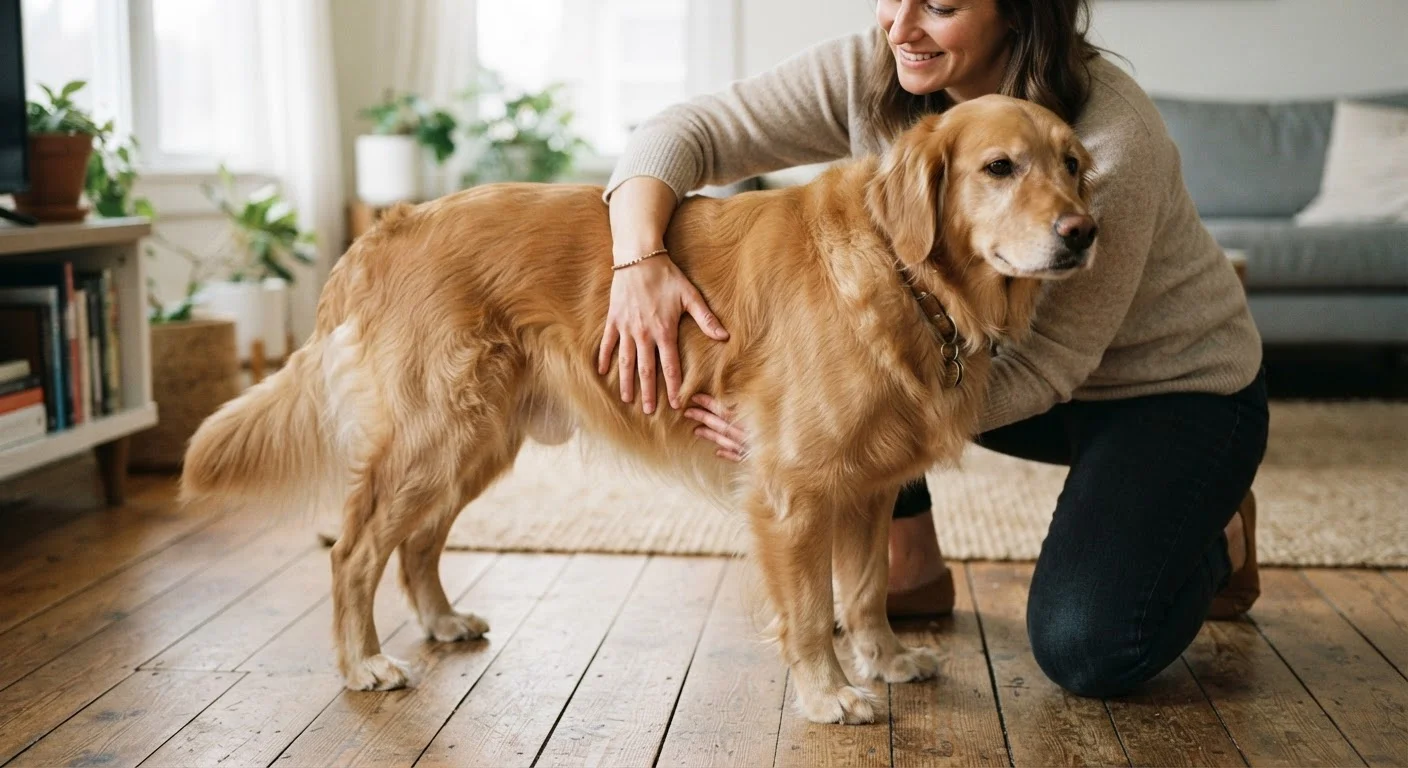
Photo credit: FaqInsider.com
In this article
Weight alone doesn't capture a pet's body condition. Learn how vets assess healthy weight and what you can observe at home.
Key Takeaways
- A pet's weight on the scale doesn't reveal whether that weight is fat, muscle, or bone - body condition scoring does.
- You can perform a basic body condition check at home by feeling for ribs and observing your pet's shape from above and the side.
- Overweight pets face increased risks for joint problems, diabetes, and reduced life expectancy.
- Underweight pets may signal underlying illness, parasites, or inadequate nutrition - not just a small appetite.
- Regular vet visits help establish a weight trend over time, which is often more telling than any single number.
- Small, consistent changes in food portions and activity can make a meaningful difference in body condition.
Why the Scale Only Tells Part of the Story
When you bring your dog or cat to a routine checkup, the vet's assistant almost always puts them on a scale first. That number matters - but alone, it doesn't tell you whether your pet is healthy. Two dogs of the same breed and weight can have very different body compositions: one might be lean and muscular, the other carrying significant fat around the abdomen while appearing to weigh the same.
This is why veterinarians use body condition scoring (BCS) as their primary tool for evaluating a pet's weight-related health. Rather than comparing your pet's weight to a chart, BCS evaluates actual fat coverage and muscle definition through both touch and observation. It's a more honest picture - and much of it can be replicated at home.
For a broader look at what your pet's physical appearance can reveal, see what your pet's eyes, ears, and coat are telling you.
59%
U.S. dogs classified as overweight or obese
According to surveys conducted by the Association for Pet Obesity Prevention, more than half of U.S. dogs fall into overweight or obese categories.
61%
U.S. cats classified as overweight or obese
The Association for Pet Obesity Prevention has reported that a majority of domestic cats in the U.S. carry excess body weight.
1-9
Point scale used in standard BCS systems
The most widely used veterinary body condition scoring systems use a 9-point scale, with 4-5 representing ideal condition for most dogs and cats.
How to Do a Basic Body Condition Check at Home
You don't need a clinic to get a general sense of your pet's condition. There are three simple checks any owner can do:
- The rib test: Place both hands on your pet's sides, thumbs along the spine, fingers spread across the ribs. You should feel each rib with light pressure - not see them, but feel them without having to press hard. If you can't feel the ribs at all, excess fat may be present. If they're immediately visible or sharp to the touch, your pet may be underweight.
- The overhead view: Look down at your pet from directly above. Most healthy dogs and cats show a visible narrowing - a waist - between the ribs and hips. If the body is uniformly wide or barrel-shaped, that's a signal worth discussing with your vet.
- The side profile: View your pet from the side. The belly should tuck upward behind the rib cage, not hang level or droop toward the floor.
These observations are a starting point, not a diagnosis. For a full breakdown of how vets formalize this process, body condition scoring explained walks through the 1-9 scoring system in practical detail.
Make the Rib Test Part of Your Routine
Try doing the rib-feel check once a month during a regular petting session - your pet won't even notice. Over time, you'll develop a reliable sense of your pet's normal, making it much easier to spot gradual changes. Note what you find in a simple log alongside your pet's monthly weight.
The Risks on Both Ends of the Scale
Most pet owners worry about obesity - and with good reason. Studies consistently link excess body fat in pets to joint deterioration, insulin resistance, breathing problems, and a measurably shorter lifespan. Even being modestly overweight (roughly 10-15% above ideal body weight) can quietly strain joints and organs over years.
But underweight pets deserve equal attention. A pet that seems too thin may be dealing with intestinal parasites, dental pain that makes eating difficult, a poorly balanced diet, or an underlying illness like kidney disease or hyperthyroidism. Thinness isn't automatically a sign of being active or small-framed - it's worth investigating.
Weight also shifts gradually, making it easy to miss. A pet that gains just one pound per year may seem fine until they've quietly moved into an overweight range over several years. Tracking weight over time - even just writing it down after vet visits - creates a trend line that makes these shifts visible early. Your pet's health records are the best place to preserve that history.
Small Changes That Support Healthy Body Condition
If your at-home check or vet visit suggests your pet's condition could improve, the good news is that modest, consistent changes make a real difference over time. A few practical approaches:
- Measure food portions. Free-feeding (leaving food out all day) makes it nearly impossible to track caloric intake. Measured meals give you control and help you notice changes in appetite.
- Account for treats. Treats are often overlooked in calorie calculations. Many vets suggest treats make up no more than 10% of daily caloric intake.
- Build in regular movement. Daily walks, play sessions, and interactive toys support muscle tone and calorie use. The right type and amount of activity varies by species, age, and health status - your vet can guide this.
- Schedule regular weigh-ins. Monthly weigh-ins at home (if you have a scale that accommodates your pet) or at the vet clinic help you catch drift before it becomes a problem.
Body condition is just one part of overall wellness. A monthly nose-to-tail wellness check can help you stay on top of other health indicators between vet visits.
This article is for general informational purposes only and is not a substitute for professional veterinary advice. Always consult your veterinarian before making significant changes to your pet's diet or exercise routine.
Frequently Asked Questions

Author
Pets & Animals Editorial Team
Pets & Animals Editorial Team is the collective byline for our editorial team and contributor network. Articles published under this byline or an editorial pen name are researched, written, and reviewed according to our editorial standards for clarity, consistency, and independence before publication.
View all articles →