
Why Pet Health Records Matter More Than Most Owners Realize
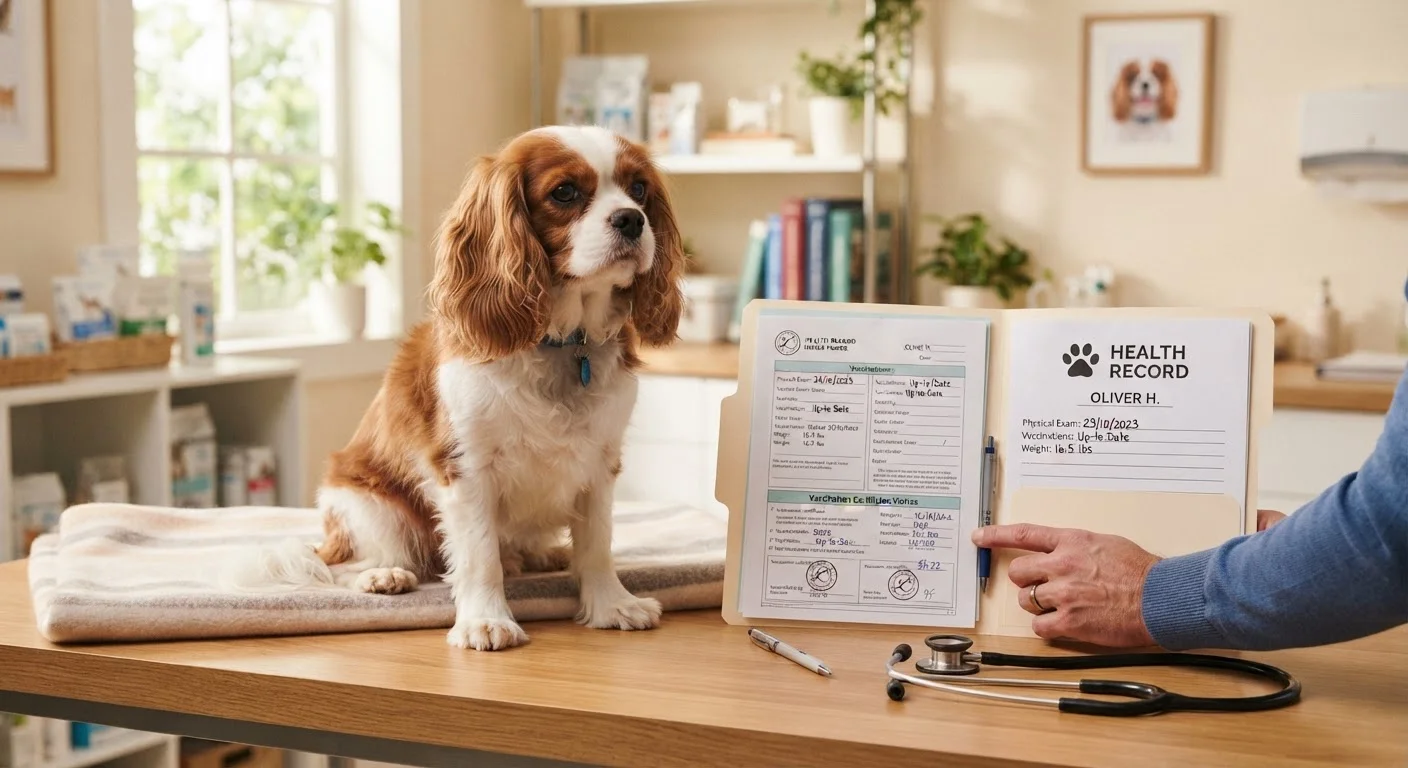
Photo credit: FaqInsider.com
In this article
Vaccination history, test results, and weight trends tell a story over time. Here's what to track and why it helps your vet.
Key Takeaways
- Pet health records reveal trends over time that a single vet visit cannot capture.
- Vaccination history, weight logs, and test results all serve a practical purpose between visits.
- Organized records help vets make faster, more accurate decisions during emergencies.
- Owners who track health data at home are better equipped to notice early warning signs.
- Records become especially critical when switching vets or seeking specialist care.
The Hidden Value in a Folder of Papers
Most pet owners treat health records as paperwork - proof of vaccines for the boarding facility, or something to dig out if asked. In reality, those documents are a longitudinal health story that no single appointment can tell on its own.
Vets are trained to assess your pet's current condition during an exam, but they rely heavily on history to interpret what they find. A weight that looks normal today might represent a troubling decline if you know where it started. A lab value in the acceptable range might be a quiet warning sign when compared to results from two years ago.
For more on what happens during a routine checkup and why continuity matters, see what happens during a routine vet visit.
What Counts as a Pet Health Record?
Health records include vaccination certificates, annual bloodwork results, parasite prevention logs, weight measurements, surgical reports, and notes from specialist visits. Even informal notes about changes in appetite or behavior can be valuable context for your vet. You don't need a professional filing system - a simple folder, binder, or digital app works fine.
What to Track and Why Each Item Counts
Good recordkeeping doesn't require a medical background. It requires consistency. The five practices below cover the information most likely to influence your vet's decisions - and most likely to be missing when it's needed most.
Keep a running weight log for your pet, recorded at every vet visit.
Weight changes are one of the earliest signals of underlying health issues, including thyroid disorders, diabetes, and organ disease. A single weight measurement tells your vet very little, but a trend line over months or years reveals patterns that prompt timely investigation.
Store vaccination records in one place and verify due dates annually.
Lapsed vaccines leave pets vulnerable to preventable diseases, and gaps aren't always caught unless records are reviewed proactively. Some vaccines also have legal implications - rabies documentation is required in most U.S. states and is often needed for boarding, travel, or licensing.
Request and save copies of all bloodwork and diagnostic test results.
Lab values have context - what's normal for your pet may differ from population averages, and your vet needs past results to interpret new ones accurately. If you change veterinary practices, arriving with a history of baseline results avoids redundant testing and fills in critical gaps.
Document medications, dosages, and treatment outcomes in writing.
Pets often cycle through different medications for allergies, pain, or chronic conditions. Written records prevent accidental re-prescription of drugs that caused side effects and give specialists the full picture when a second opinion is needed.
Note behavioral and appetite changes between appointments, not just physical symptoms.
Many health conditions - pain, anxiety, early organ dysfunction - first appear as changes in behavior or eating habits rather than obvious physical symptoms. These observations are data, and vets rely on owner-reported history to build a complete picture.
For a hands-on way to observe your pet's physical condition between vet visits, the Monthly Pet Wellness Check is a useful complement to your written records. And if you're curious how vets assess healthy weight beyond the scale, Pet Weight and Health: Understanding Body Condition Scoring walks through the method in plain terms.
When Records Make the Biggest Difference
Health records pay off most in three situations: emergencies, specialist referrals, and vet transitions. In an emergency, a clinic that has never seen your pet before will ask about medications, known allergies, and recent health changes. If you can answer those questions - or hand over a summary - care starts faster and with fewer dangerous assumptions.
When a general practitioner refers your pet to a specialist, the specialist needs context that goes beyond what fits in a referral note. Prior bloodwork, imaging reports, and a medication history let specialists focus on the problem rather than rebuilding the baseline.
If you're weighing how often your pet actually needs professional care, Annual Vet Visits vs. As-Needed Care covers that tradeoff in detail. For owners just establishing a care routine, A First-Time Pet Owner's Roadmap to Preventive Care is a practical starting point.
“The longer the medical history, the better we can care for the patient. Knowing what's normal for a specific animal - their baseline - is just as important as knowing what's abnormal for the species.”
— Veterinary Medicine Principles, Core concept in companion animal clinical practice
Start Simple - Here's How
You don't need a specialized app or a color-coded binder to get started. A manila folder with your pet's name on it and a habit of asking for visit summaries will put you ahead of most owners. The goal is to have the key facts accessible - not perfectly organized.
Over time, even minimal records accumulate into something genuinely useful. A vet who can see three years of consistent weight, stable bloodwork, and a clear vaccination history has a much clearer baseline than one working from memory alone. That clarity benefits your pet directly.
This article is for general informational purposes only and is not a substitute for professional veterinary advice. Always consult a licensed veterinarian for guidance specific to your pet's health needs.

Author
Pets & Animals Editorial Team
Pets & Animals Editorial Team is the collective byline for our editorial team and contributor network. Articles published under this byline or an editorial pen name are researched, written, and reviewed according to our editorial standards for clarity, consistency, and independence before publication.
View all articles →