
Pet Dental Health Decoded
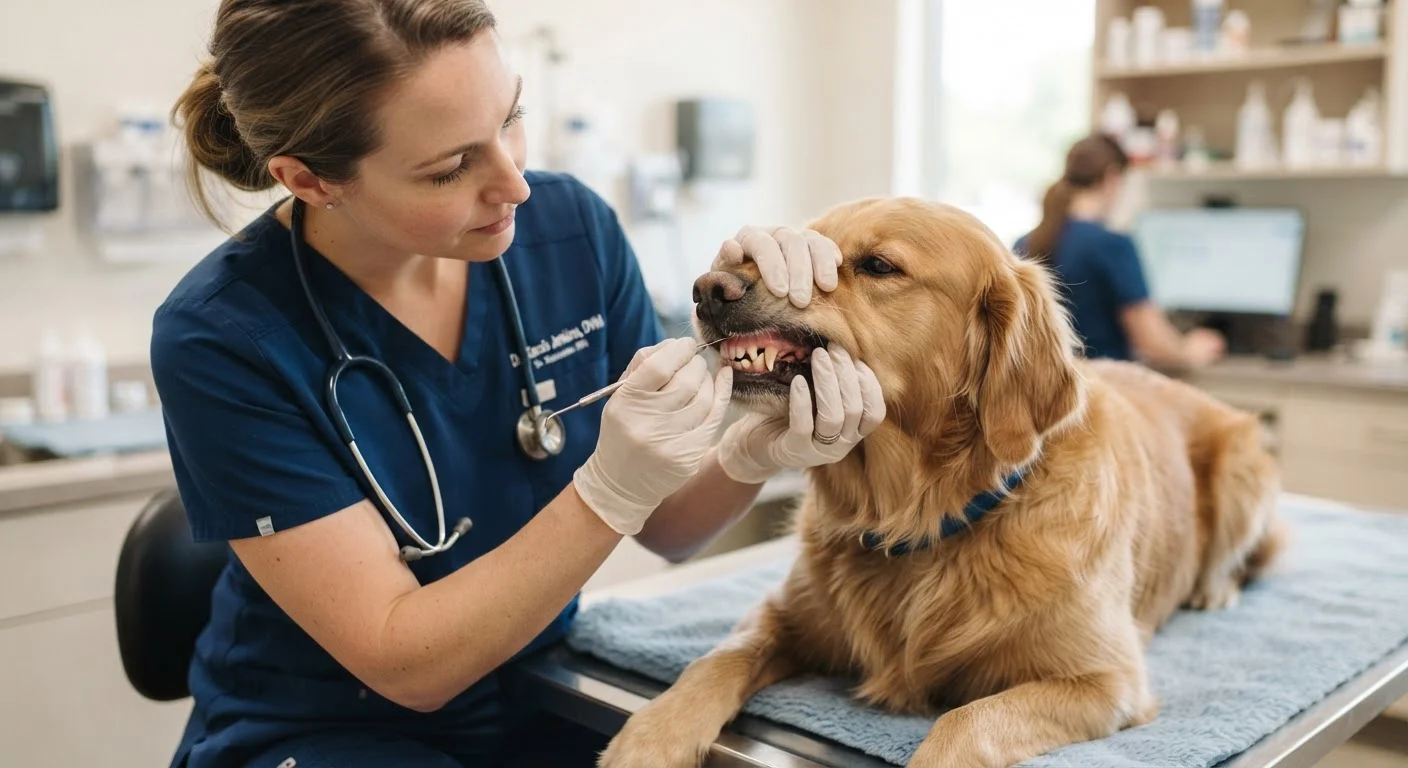
Photo credit: FaqInsider.com
In this article
Oral disease is one of the most common—and overlooked—pet health problems. Here's what healthy teeth look like and what warning signs to watch for.
Key Takeaways
- Healthy pet teeth should be white to off-white, with pale pink, firm gums and no strong odor.
- Periodontal disease affects the majority of dogs and cats by age three if dental care is neglected.
- Bad breath in pets is not normal - it is usually the first noticeable sign of dental disease.
- At-home tooth brushing is the single most effective preventive step owners can take.
- Annual professional cleanings by a veterinarian are essential for thorough oral assessment.
- Untreated dental disease can affect the heart, kidneys, and liver over time.
What Healthy Pet Teeth Actually Look Like
Knowing what's normal is the first step to catching what isn't. A pet with good oral health will have teeth that are white to slightly off-white - some natural yellowing near the gum line can be acceptable in older animals, but brown or grey discoloration is a concern. Gums should be pale pink, firm to the touch, and fit snugly around each tooth. They should not look red, puffy, or receded.
Your pet's breath will have a mild, neutral smell. It won't be odor-free, but it also shouldn't be strong enough to make you pull back. Notably, there should be no visible buildup - that rough, yellowish-brown crust on teeth is tartar (calcified plaque), and it signals that bacteria are already at work damaging tissue below the gum line.
This kind of visual check is something any owner can do during a calm moment at home. It takes under a minute and fits naturally into a broader routine - the kind outlined in a monthly nose-to-tail wellness check.
80%
Dogs with dental disease by age three
The American Veterinary Medical Association estimates that the majority of dogs show signs of periodontal disease by their third year of life.
70%
Cats affected by dental disease by age three
Veterinary dental studies consistently find that most cats develop some form of oral disease well before middle age if preventive care is not established.
1 in 3
Pet owners who brush their pet's teeth
Surveys of American pet owners suggest that regular tooth brushing remains far less common than veterinarians recommend, despite being the most effective preventive measure.
Warning Signs That Shouldn't Be Ignored
Dental disease in pets tends to develop gradually and quietly. Because animals instinctively mask discomfort, owners often don't notice a problem until it's well advanced. Here are the warning signs worth taking seriously:
- Persistent bad breath: The most common early indicator. A consistently foul smell from your pet's mouth is not normal and usually means bacterial activity is escalating.
- Yellow or brown tartar buildup: Especially visible on the back upper teeth and canines. Once tartar forms, it can only be removed professionally.
- Red, bleeding, or swollen gums: Inflamed gums (gingivitis) are the earliest stage of periodontal disease and, if caught here, are often reversible with prompt care.
- Loose or missing teeth: A sign that disease has progressed to affect the bone and connective tissue holding teeth in place.
- Dropping food, chewing on one side, or avoiding hard food: Behavioral changes around eating often signal oral pain.
- Excessive drooling or pawing at the mouth: Both can indicate acute discomfort or a foreign object lodged in the mouth.
Understanding what these signs lead to if untreated is equally important. The consequences of neglecting pet dental hygiene extend well beyond the mouth, affecting systemic organ health over time.
Building a Dental Care Routine That Works
Preventive care is far less costly - in every sense - than treating advanced dental disease. The foundation is daily tooth brushing using a pet-specific toothpaste. Most pets can be trained to accept this gradually: start by letting your pet sniff and lick the toothpaste, then introduce a finger brush or soft-bristle pet toothbrush over several days or weeks. Patience and positive reinforcement make a significant difference in acceptance.
Start Small With Tooth Brushing
If your pet resists a toothbrush at first, begin by simply lifting their lip and touching their gums with your finger for a few seconds each day. Reward calmness immediately. Once they're comfortable, introduce a finger brush with a small amount of pet toothpaste before graduating to a full brush. Going slowly reduces resistance and builds a lasting habit.
Beyond brushing, veterinary professional cleanings performed under anesthesia allow a full examination of every tooth surface, including below the gum line - something no at-home care can replicate. Your veterinarian will recommend a cleaning schedule based on your individual pet's needs, age, and breed.
Good dental health is one piece of a larger picture of physical wellbeing. Just as you'd look at a pet's coat or eyes for health signals - as explored in reading your pet's eyes, ears, and coat - the mouth offers equally important clues. Consistent attention to all these areas, combined with regular veterinary visits, gives your pet the best foundation for a long, comfortable life.
This article is for general informational purposes only and does not constitute veterinary or medical advice. Always consult a licensed veterinarian for guidance specific to your pet's health and circumstances.
Frequently Asked Questions

Author
Pets & Animals Editorial Team
Pets & Animals Editorial Team is the collective byline for our editorial team and contributor network. Articles published under this byline or an editorial pen name are researched, written, and reviewed according to our editorial standards for clarity, consistency, and independence before publication.
View all articles →