
Why Cats Hide Illness-and What That Means for Owners
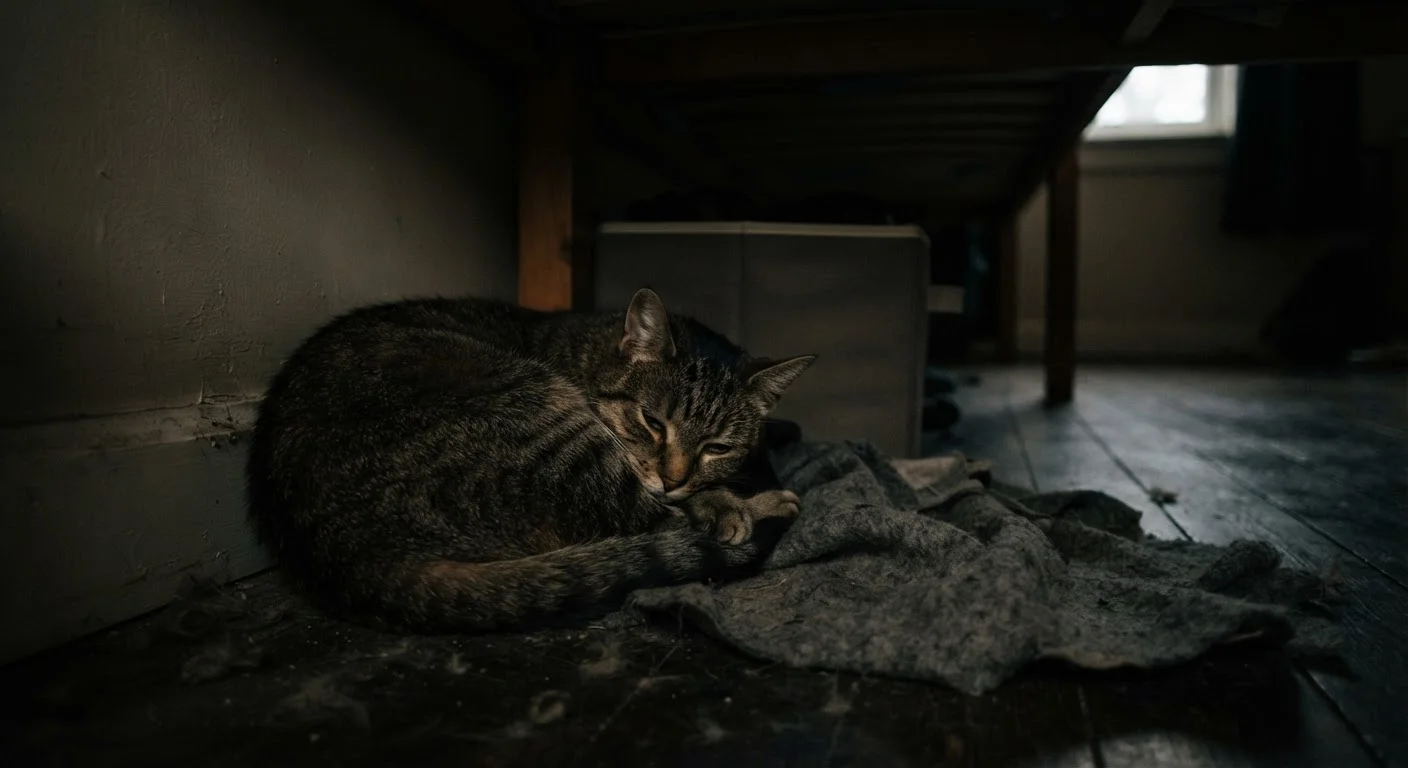
Photo credit: FaqInsider.com
In this article
Cats instinctively mask pain and sickness. Understanding this behavior can help owners catch health problems before they become serious.
Key Takeaways
- Cats instinctively hide illness as a survival mechanism inherited from wild ancestors.
- By the time symptoms become obvious, the condition is often already advanced.
- Subtle behavioral changes - not dramatic symptoms - are usually the earliest warning signs.
- Regular veterinary checkups are essential because cats rarely signal illness overtly.
- Knowing your cat's normal baseline makes detecting deviations much easier.
The Survival Logic Behind a Sick Cat's Silence
To understand why cats hide illness, you have to think like a wild animal for a moment. In nature, a visibly sick or injured animal is an easy target. Predators identify and pursue the weakest members of a group. Cats - even as domesticated companions - carry that ancient programming in their nervous systems.
This means that when a cat is in pain or feeling unwell, its default response is to behave as normally as possible. It will eat (even if less), groom (even if inconsistently), and interact (even if minimally) for as long as it can manage. The goal, at a biological level, is to not be identified as vulnerable.
The practical consequence for owners is significant: by the time a cat's illness becomes undeniably obvious, the condition has often been present for days, weeks, or longer. Conditions like kidney disease, dental pain, hyperthyroidism, and certain cancers can progress silently while a cat maintains a convincing appearance of wellness.
“Cats are masters of disguise when it comes to illness. By the time owners notice something is wrong, the disease process may already be well advanced. The best tool an owner has is knowing what 'normal' looks like for their individual cat.”
— Dr. Elizabeth Colleran, Feline veterinary specialist and past president of the American Association of Feline Practitioners
What to Watch For Instead of Waiting for Obvious Symptoms
Since cats rarely announce illness dramatically, owners need to become observers of subtle patterns rather than hunters for clear-cut symptoms. The signals to track are changes from your specific cat's individual baseline - not a comparison to some general average.
- Changes in appetite or water intake: Eating noticeably less, or suddenly drinking far more water, are both worth noting. Either can point to a range of conditions.
- Litter box shifts: Urinating more or less frequently, straining, producing unusually small amounts, or eliminating outside the box can all be early indicators of urinary, kidney, or gastrointestinal issues.
- Grooming changes: A coat that looks dull, greasy, or unkempt suggests a cat that has stopped self-grooming - often because movement is painful. Conversely, obsessive grooming of one spot can signal localized pain or skin problems.
- Withdrawal or unusual clinginess: Some sick cats hide in out-of-the-way spots. Others become unusually affectionate. Both can reflect that something is off.
- Posture and movement: Reluctance to jump, a hunched posture, or an altered gait are physical signals worth a veterinary call.
For a deeper look at how your cat communicates through body language, paying attention to posture and ear position can also reveal discomfort before other signs appear.
Build a Baseline for Your Cat
Spend a few minutes each week mentally checking in on your cat's normal: how much it typically eats, how often it visits the litter box, its usual social habits, and its typical energy level. Keeping a simple note on your phone when something seems different - even slightly - gives your vet useful context during appointments.
Why Routine Vet Visits Matter More for Cats Than Many Owners Realize
Because cats are so good at masking illness, routine wellness exams are one of the most important tools owners have. A veterinarian conducting a physical examination can detect abnormalities - enlarged lymph nodes, a heart murmur, changes in organ size or texture, early dental disease - that a cat's behavior would never reveal.
Blood panels and urinalysis done during annual checkups establish a personal baseline for each cat. When values shift gradually over years, even small changes become visible against that history. This is how conditions like chronic kidney disease are often caught early enough to be managed rather than simply treated in crisis.
~50%
Cats over age 15 with chronic kidney disease
Research published in veterinary literature estimates roughly half of cats aged 15 and older show signs of chronic kidney disease, a condition that is often clinically silent in early stages.
1 in 3
Cats affected by dental disease by age 3
Veterinary dental health studies suggest dental disease affects a large proportion of cats by early adulthood, yet most affected cats continue eating and behaving normally.
It is also worth understanding that stress itself can suppress a cat's immune response and make existing conditions worse. If your cat seems anxious or is showing behavioral changes you cannot attribute to illness, our article on stress in cats and what it looks like can help you assess what your cat may be experiencing.
This article is for general informational purposes only and is not a substitute for professional veterinary advice. If you are concerned about your cat's health, contact a licensed veterinarian.
Frequently Asked Questions

Author
Pets & Animals Editorial Team
Pets & Animals Editorial Team is the collective byline for our editorial team and contributor network. Articles published under this byline or an editorial pen name are researched, written, and reviewed according to our editorial standards for clarity, consistency, and independence before publication.
View all articles →