
Reading Your Cat's Body Language: A Field Guide
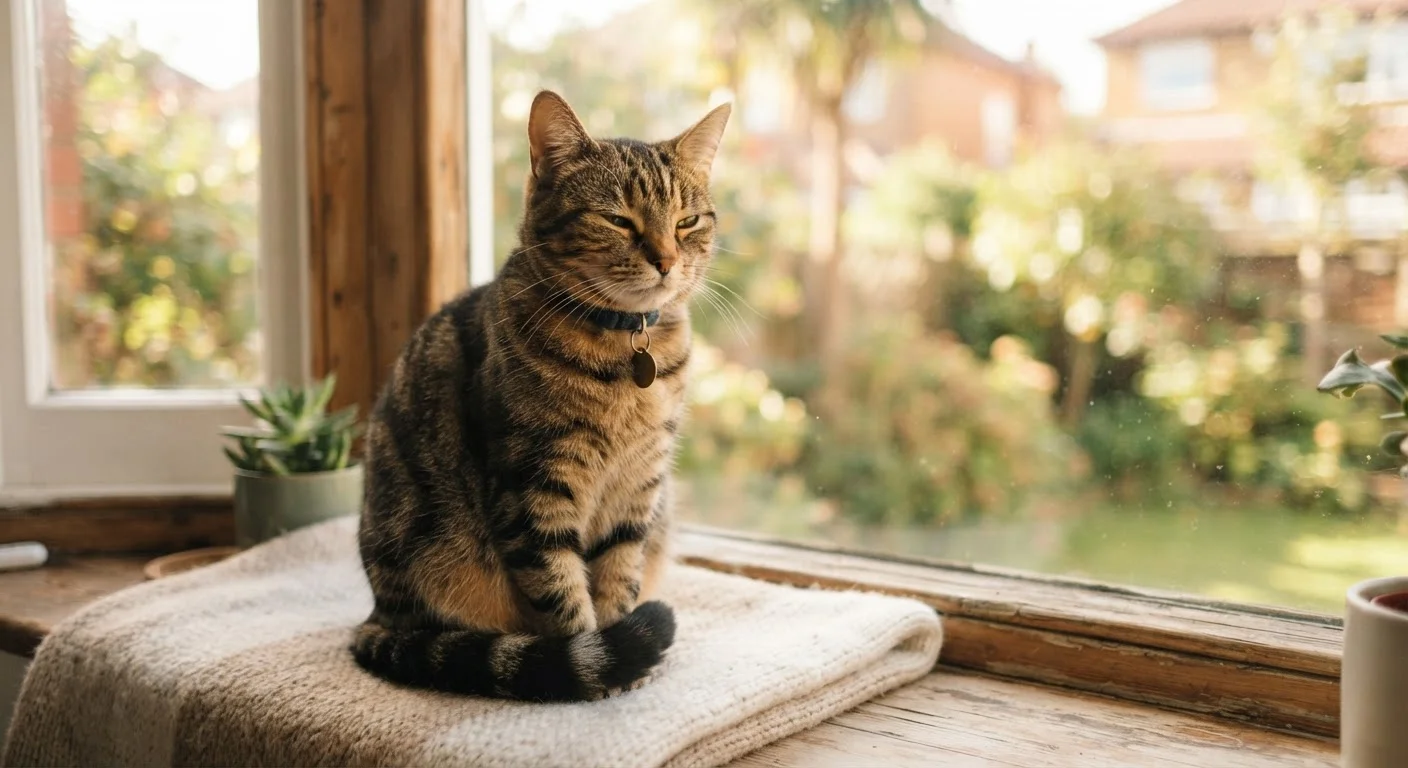
Photo credit: FaqInsider.com
In this article
Tail position, ear angle, slow blinks — this visual reference decodes what your cat is communicating and how to respond in kind.
Why Reading Cat Body Language Matters
Cats are not subtle - they're just speaking a language most people haven't been taught. Every flick of a tail, angle of an ear, and position of the pupils carries meaning. Learning to read these signals helps you respond more appropriately, build trust with your cat, and catch early signs of stress or discomfort before they escalate.
This field guide focuses on the most reliable, observable cues. For a broader look at what physical appearance signals about health, see what your pet's eyes, ears, and coat are telling you.
| Primary communication channels | Tail, ears, eyes, posture, and vocalization |
| Most reliable single cue | Ear position - shifts rapidly and is hard to suppress |
| Slow blink meaning | Trust and relaxed affiliation |
| Tail held high | Confident, friendly greeting |
| Flattened ears signal | Fear or defensive aggression - disengage immediately |
| Belly exposure | Trust - not necessarily an invitation to pet |
Tail: The Mood Barometer
A cat's tail is its most expressive feature. These are the key positions and what they typically mean:
- Tail held high, tip slightly curved: Confident, content, and friendly. A cat approaching you this way is offering a greeting.
- Tail puffed out (piloerection): Alarmed or highly agitated. The cat is trying to appear larger in response to a perceived threat.
- Tail low or tucked between legs: Anxious, fearful, or submissive. Avoid pushing interaction.
- Slow, deliberate side-to-side swish: Focused or mildly irritated - not playful like a dog's wag. If petting, consider stopping.
- Rapid tail lashing: Strongly agitated. A scratch or bite may follow if the trigger isn't removed.
- Tail wrapped around another cat or person: Affection and social bonding.
Tail signals become more reliable when read alongside ear and eye cues - no single signal tells the whole story.
Ears and Eyes: Precision Indicators
Ear position shifts rapidly and reflects emotional state in real time. Here's what to watch for:
- Ears forward and upright: Alert, curious, and engaged.
- Ears turned sideways ("airplane ears"): Mildly anxious or overstimulated.
- Ears flattened fully against the head: Fearful or defensively aggressive. Respect this boundary immediately.
- One ear rotated back: Conflicted or uncertain - your cat is monitoring something it's unsure about.
Eye signals are equally informative:
- Slow blink: A relaxed, trusting signal. You can slow-blink back to reinforce calm connection.
- Dilated pupils in normal lighting: Excitement, fear, or overstimulation - context determines which.
- Constricted pupils in low light: Arousal, aggression, or intense focus.
- Direct, unblinking stare: A dominance or threat signal between cats; avoid mirroring it.
Piloerection
The involuntary raising of fur along a cat's back or tail, making the cat appear larger. It occurs in response to fear, arousal, or perceived threat and is controlled by the autonomic nervous system.
Slow blink
A deliberate, relaxed closing and opening of the eyes that cats use to signal calm trust. Returning a slow blink to your cat is widely regarded as a positive bonding gesture.
Head bunting
The behavior of pressing or rubbing the forehead, cheeks, or chin against a person or object. Cats have scent glands in these areas and use bunting to mark social group members.
Displacement behavior
An out-of-context action - such as grooming suddenly in the middle of a tense encounter - that signals internal conflict or stress. It helps a cat self-soothe when uncertain how to respond.
Overstimulation
A state in which a cat becomes agitated from too much physical contact or sensory input, even contact that began pleasurably. Signs include tail lashing, skin rippling, and sudden biting or swatting.
Posture, Vocalizations, and What to Do Next
Full-body posture completes the picture:
- Belly exposed, relaxed muscles: Trust and comfort. This is not always an invitation to touch - many cats dislike belly contact.
- Crouched low, weight shifted back: Fear or defensive preparation.
- Arched back, sideways stance: Classic threat display - the cat is trying to look imposing.
- Head bunting (rubbing head against you): Affectionate scent-marking. Your cat is claiming you as part of its social group.
Vocalizations add another layer. Chirping at birds signals predatory focus. Trilling is a friendly greeting. Yowling can indicate pain, stress, or - in unspayed or unneutered cats - reproductive behavior. Because cats instinctively mask discomfort, repeated or unusual vocalizations paired with body language changes deserve attention. Learn more in our article on why cats hide illness.
When your cat signals stress or overstimulation, the best response is usually space and quiet - not more interaction. For a broader cross-species reference, reading your pet's body language covers dogs alongside cats. Understanding these cues is the foundation of positive, trust-based interaction - and it's a skill any owner can develop with practice.
This article is for general educational purposes. If your cat shows sudden or significant behavioral changes, consult a licensed veterinarian or a certified feline behavior consultant.

Author
Pets & Animals Editorial Team
Pets & Animals Editorial Team is the collective byline for our editorial team and contributor network. Articles published under this byline or an editorial pen name are researched, written, and reviewed according to our editorial standards for clarity, consistency, and independence before publication.
View all articles →