
Pet Training From Puppy to Senior: How Needs and Methods Evolve
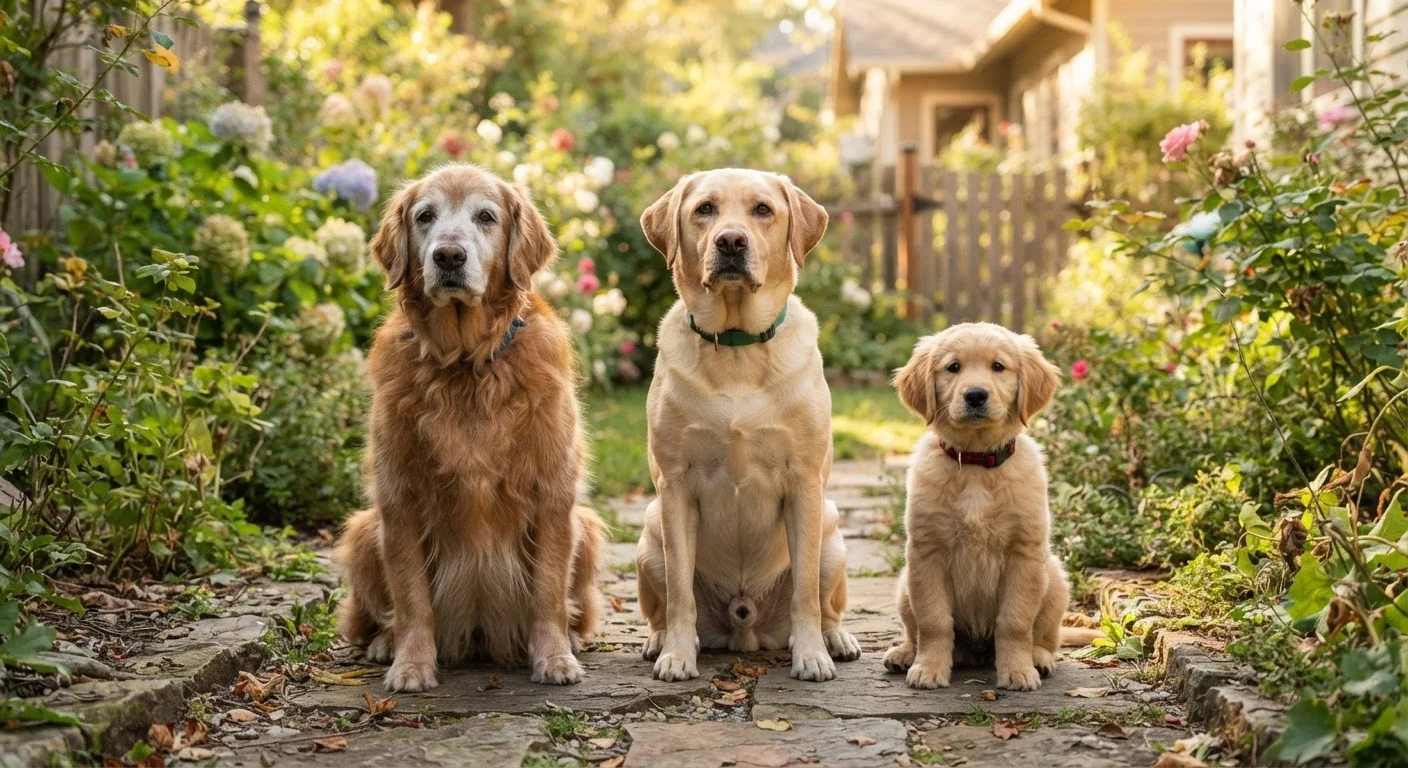
Photo credit: FaqInsider.com
In this article
A comprehensive look at how training goals, techniques, and expectations should shift as your pet moves from puppyhood through their senior years.
Key Takeaways
- Training goals, session length, and techniques should shift meaningfully as your pet ages.
- Puppies need short, reward-based sessions focused on socialization and foundational cues.
- Adolescent pets may seem to "forget" training - consistency during this phase is critical.
- Senior pets can still learn, but may need physical accommodations and gentler pacing.
- Positive reinforcement remains the most reliable method at every life stage.
- Adapting your expectations alongside your pet's abilities keeps training rewarding for both of you.
Why Life Stage Matters in Pet Training
Training a pet isn't a one-time event - it's a relationship that evolves. A ten-week-old puppy and a ten-year-old dog are biologically, cognitively, and emotionally different animals, and treating them the same in a training context will frustrate both you and your pet.
Understanding how a pet's brain, body, and motivations shift across life stages helps you set realistic expectations, choose the right tools, and keep sessions productive. Just as nutritional needs change across life stages, so do the ways pets learn best. The good news: when you work with your pet's developmental stage rather than against it, training becomes far more effective - and genuinely enjoyable.
Puppy Training: Building the Foundation
The period from roughly 3 to 16 weeks of age is often called the critical socialization window. During this time, puppies absorb new experiences with remarkable openness. Positive exposure to people, sounds, surfaces, and other animals during this window helps shape a confident, adaptable adult dog.
Training priorities at this stage include:
- Basic cues: Sit, stay, come, and leave it form the building blocks of a well-mannered adult pet.
- Name recognition: A puppy that responds reliably to its name is easier to redirect in any situation.
- Crate and house training: Consistent routines help puppies feel secure and speed up housebreaking.
- Bite inhibition: Teaching puppies to control the pressure of their mouths is essential for safe interaction.
Keep sessions to 3-5 minutes, multiple times per day. Puppies have short attention spans and tire quickly - ending on a success is more valuable than pushing for more repetitions. Use high-value treats and enthusiastic praise; at this age, food motivation is your most reliable tool.
During the puppy socialization window, prioritize quality of exposure over quantity. One calm, positive encounter with a child or bicycle is worth more than ten rushed, overwhelming ones.
Negative experiences during the critical window can have lasting behavioral effects, while positive ones help build the confident, adaptable adult dog most owners are aiming for.
For senior pets, try swapping verbal cues for hand signals early - before significant hearing loss occurs - so the transition feels seamless as they age.
Proactively building a visual cue vocabulary means aging dogs don't have to unlearn old associations under stress, making the shift far smoother for both dog and owner.
If you're weighing different training formats, our guide on group classes vs. private training can help you choose the right environment for your puppy's temperament.
Adolescent Pets: Navigating the Challenging Middle
Between roughly 6 and 18 months (varying by breed and species), pets enter adolescence - and many owners feel like their well-trained puppy has suddenly been replaced by a stranger. Dogs in this stage may seem to "forget" cues they mastered weeks earlier, become easily distracted, or push boundaries in new ways.
This isn't willful defiance. Hormonal shifts and ongoing brain development - particularly in the prefrontal regions governing impulse control - genuinely affect how adolescent pets process and respond to training. Patience and consistency are non-negotiable here.
Don't Punish Adolescent Regression
If your adolescent pet stops responding to cues they previously knew, avoid scolding or physical corrections - these can erode trust and create new anxiety-based behaviors. The regression is developmental, not deliberate. Return to basics, reward small successes, and give the phase time to pass.
Strategies that help during adolescence:
- Shorten distractions, not sessions: Practice familiar cues in progressively more stimulating environments rather than introducing too many new behaviors at once.
- Increase reinforcement value: If your pet seems unmotivated, try higher-value rewards (real meat, play, or other preferred activities).
- Stay consistent: Mixed signals during adolescence entrench bad habits. Everyone in the household should use the same cues and rules.
- Consider spaying or neutering: Discuss timing with your veterinarian, as it can affect behavior in some pets.
Adult Pets: Reinforcing and Expanding Skills
Once a dog or cat reaches full maturity - generally 1 to 3 years depending on size and species - training enters a more stable phase. Adult pets have longer attention spans, better impulse control, and established behavioral patterns. This is an ideal time to build on foundational skills with more complex behaviors.
3-5 min
Ideal session length for puppies and seniors
Short, frequent sessions align with the attention spans typical of very young and aging pets, supporting better retention than longer sessions.
~16 weeks
End of the critical socialization window
Veterinary behaviorists widely cite the period up to approximately 16 weeks as the most influential for shaping social development in dogs.
Training goals for adult pets often include:
- Advanced cues: Place, heel, recall under distraction, or sport-specific behaviors.
- Enrichment activities: Puzzle feeders, nose work, and trick training support mental health.
- Behavior modification: Addressing established issues like leash reactivity or resource guarding is more feasible now that the pet's character is fully formed.
Sessions can extend to 10-15 minutes, though ending before the pet disengages always produces better results than grinding through fatigue. Maintenance training - brief, regular practice of known cues - prevents skill erosion even when formal classes aren't ongoing.
Senior Pets: Adapting Training to Aging Bodies and Minds
Senior pets - generally dogs over 7 years (smaller breeds may age more slowly) and cats over 10 - are absolutely capable of learning. The idea that "you can't teach an old dog new tricks" is a myth, though the how of training does require thoughtful adjustment.
Physical considerations matter first. Arthritis, reduced hearing or vision, and lower stamina mean that exercises requiring jumping, sustained physical exertion, or rapid movement may be inappropriate. Our resource on physical and behavioral changes worth monitoring in senior pets can help you distinguish normal aging from issues that need veterinary attention before you adjust your training plan.
For training adaptations:
- Shorten sessions again: Return to 3-5 minute windows; cognitive stamina decreases with age.
- Use hand signals: If hearing has declined, visual cues become more effective than verbal ones.
- Choose low-impact activities: Scent work, stationary tricks, and calm target training keep minds engaged without taxing joints.
- Increase reward value: Aging pets may be less food-motivated or have dietary restrictions - experiment to find what still excites them.
For a deeper look at how age affects learning specifically, see what changes and what stays the same when training an older dog.
Principles That Work at Every Stage
Across all life stages, a few fundamentals remain constant:
- Positive reinforcement works best. Rewarding desired behavior is more effective and less stressful than punishing mistakes - for pets at every age.
- Consistency beats intensity. Five minutes of training daily outperforms a two-hour session once a week.
- Read your pet's signals. Yawning, turning away, or freezing are signs of stress or fatigue - honor them by stopping or simplifying.
- Health affects behavior. A sudden change in responsiveness or mood often has a physical cause. Rule out pain or illness before assuming a training problem.
Training is also woven into broader care. Just as preventive care milestones shift across a pet's lifespan, so should your training approach. Meeting your pet where they are - developmentally, physically, and emotionally - is the most respectful and effective path to a well-behaved companion at any age.
This article is for general informational and educational purposes. If your pet shows sudden behavioral changes, consult a licensed veterinarian or certified animal behaviorist to rule out underlying health issues.

Author
Pets & Animals Editorial Team
Pets & Animals Editorial Team is the collective byline for our editorial team and contributor network. Articles published under this byline or an editorial pen name are researched, written, and reviewed according to our editorial standards for clarity, consistency, and independence before publication.
View all articles →