
Training an Older Dog: What Changes, What Stays the Same
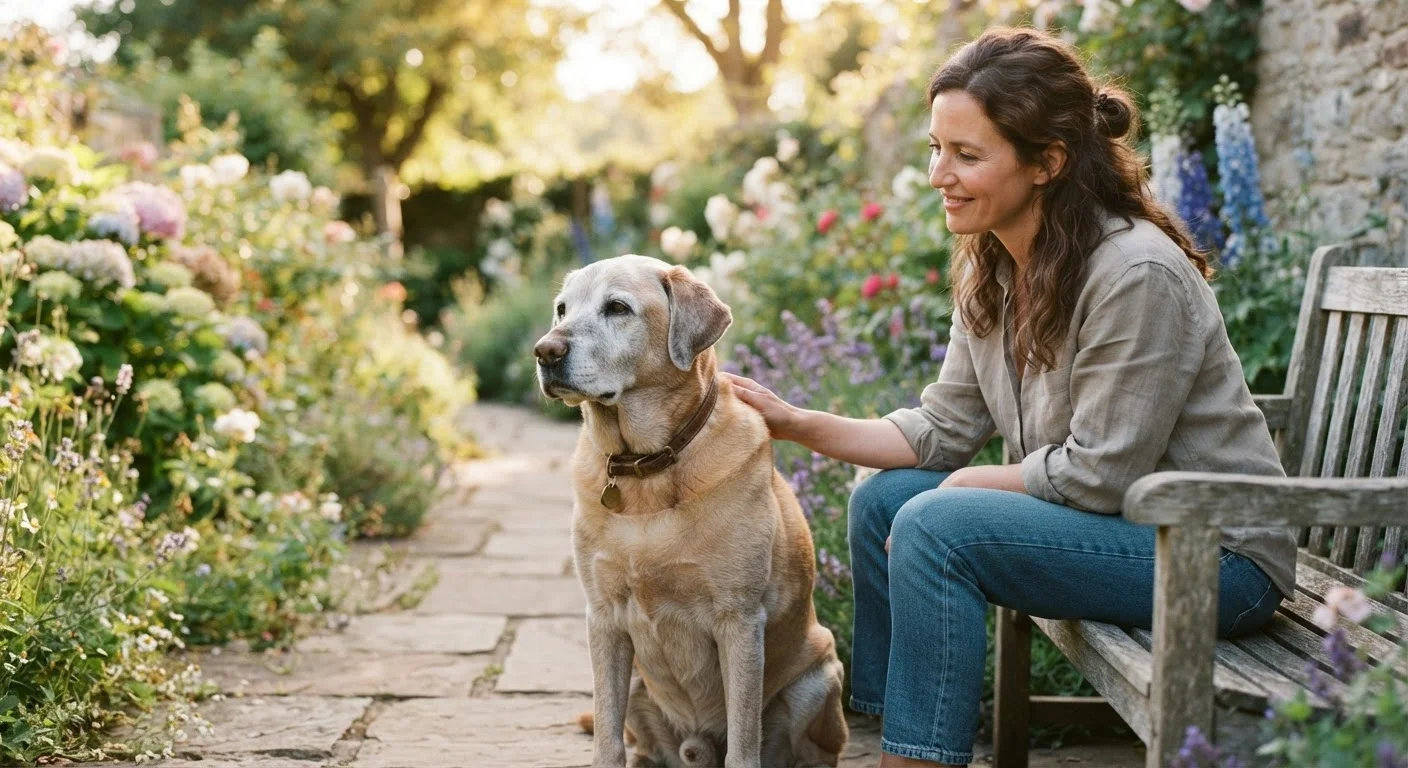
Photo credit: FaqInsider.com
In this article
Senior dogs can absolutely learn new behaviors. Understand how age affects attention span, motivation, and physical ability—and how to adjust accordingly.
Key Takeaways
- Senior dogs retain the ability to learn new behaviors throughout their lives.
- Age-related changes in hearing, vision, and joint health require training adaptations.
- Shorter, more frequent sessions tend to work better for older dogs.
- Positive reinforcement remains the most effective and humane approach at any age.
- A veterinary check before starting training helps rule out pain or sensory changes.
Established relationship supports clear communication
Older dogs often have years of living with their owner, which means they already understand household routines and can read their owner's tone and body language more reliably than a new puppy.
Less distractibility than younger dogs
Senior dogs typically have lower arousal levels and are less reactive to environmental novelty, which can make it easier to hold their attention during short training sessions.
Mental stimulation supports healthy aging
Learning new behaviors provides cognitive engagement that may benefit brain health in older dogs, offering a productive outlet that goes beyond basic obedience.
Behavioral history gives you a foundation to build on
A dog that already knows basic cues can learn variations and refinements more efficiently, since the concept of working with a human for reinforcement is already well understood.
Physical limitations may restrict certain behaviors
Joint pain, reduced stamina, or balance issues can make common training positions uncomfortable. Some behaviors may need to be adapted or retired entirely based on your dog's comfort.
Sensory decline can complicate cue recognition
Partial hearing loss or reduced vision may cause a dog to miss cues they previously responded to reliably, requiring owners to transition to new or paired signals.
Sessions must be shorter and more carefully timed
Cognitive and physical fatigue set in faster in older dogs, meaning the window for productive training is narrower - which requires more planning and flexibility from the owner.
Underlying health issues can mask or mimic training problems
A dog that seems unresponsive or unmotivated may actually be experiencing pain or early cognitive decline, making a veterinary check an important first step before drawing training conclusions.
The Old Dog Myth - and Why It Doesn't Hold Up
The phrase "you can't teach an old dog new tricks" has persisted for generations, but it doesn't reflect what animal behaviorists and trainers actually observe. Dogs retain the capacity for learning throughout their lives. The mechanisms of reward-based learning - recognizing a cue, performing a behavior, receiving reinforcement - remain intact in healthy older dogs.
What does change is the context in which learning happens. Older dogs may process information more slowly, tire faster, and be working around physical discomforts that younger dogs don't face. Those are real factors that require real adjustments, but they're not barriers to training. For a broader look at how the training journey evolves from puppyhood onward, see how needs and methods evolve across a dog's life.
What Actually Changes as Dogs Age
Understanding the physical and cognitive shifts that come with age helps you train smarter rather than harder.
Established relationship supports clear communication
Older dogs often have years of living with their owner, which means they already understand household routines and can read their owner's tone and body language more reliably than a new puppy.
Less distractibility than younger dogs
Senior dogs typically have lower arousal levels and are less reactive to environmental novelty, which can make it easier to hold their attention during short training sessions.
Mental stimulation supports healthy aging
Learning new behaviors provides cognitive engagement that may benefit brain health in older dogs, offering a productive outlet that goes beyond basic obedience.
Behavioral history gives you a foundation to build on
A dog that already knows basic cues can learn variations and refinements more efficiently, since the concept of working with a human for reinforcement is already well understood.
Physical limitations may restrict certain behaviors
Joint pain, reduced stamina, or balance issues can make common training positions uncomfortable. Some behaviors may need to be adapted or retired entirely based on your dog's comfort.
Sensory decline can complicate cue recognition
Partial hearing loss or reduced vision may cause a dog to miss cues they previously responded to reliably, requiring owners to transition to new or paired signals.
Sessions must be shorter and more carefully timed
Cognitive and physical fatigue set in faster in older dogs, meaning the window for productive training is narrower - which requires more planning and flexibility from the owner.
Underlying health issues can mask or mimic training problems
A dog that seems unresponsive or unmotivated may actually be experiencing pain or early cognitive decline, making a veterinary check an important first step before drawing training conclusions.
Sensory Changes
Hearing loss and reduced visual acuity are common in senior dogs. A dog that seems to be ignoring cues may simply not be perceiving them clearly. Transitioning verbal cues to hand signals - or pairing both together - can help compensate. Avoid startling a dog with diminished hearing by approaching from the front and making your presence known gently.
Joint and Mobility Concerns
Arthritis and general stiffness affect many older dogs, making behaviors like sitting, lying down, or jumping uncomfortable. A veterinary evaluation before introducing or revisiting training can identify pain that might otherwise be misread as stubbornness. You can also modify positions - asking for a "chin rest" rather than a full "down" if that position causes discomfort. For a closer look at age-related physical changes, monitoring your senior pet's physical and behavioral changes is a useful companion read.
Cognitive Shifts
Some older dogs develop canine cognitive dysfunction (CCD), a condition that can affect memory, orientation, and responsiveness. Training sessions can actually provide beneficial mental stimulation that may support cognitive health, but if you notice significant confusion or disorientation, consult your veterinarian before proceeding with any new training program.
Get a Vet Check Before You Start
Before introducing new training demands on an older dog, a veterinary visit is worth scheduling. Pain from arthritis or dental issues, early-stage hearing or vision loss, and cognitive changes can all influence how a dog responds to training. Identifying these factors first means you can build a plan that genuinely suits your dog's current health - and avoids misreading discomfort as disobedience. For a broader overview, see how health needs shift as animals age.
What Stays Exactly the Same
The fundamentals of good training don't have an age limit. Positive reinforcement - rewarding behaviors you want to see repeated - is just as effective for a ten-year-old dog as it is for a ten-week-old puppy. Punishment-based approaches are no more appropriate for seniors than for any other life stage, and may cause anxiety in a dog that is already navigating physical change.
Consistency matters as much as ever. Clear, predictable cues and criteria help your dog understand what you're asking. The principles of keeping training sessions effective - short duration, good timing, and simple criteria - apply directly here, often even more so than with younger dogs.
7+
Age at which dogs are typically considered senior
Though the threshold varies by breed and size, most veterinary guidelines consider dogs entering their senior stage from around age seven, with larger breeds aging faster.
5-8 min
Recommended session length for senior dogs
Animal behaviorists generally recommend keeping individual training sessions brief for older dogs, prioritizing quality of engagement over length.
Practical Adjustments That Make a Difference
A few targeted changes can meaningfully improve how your older dog responds to training:
- Shorten your sessions. Five to eight minutes is often more productive than twenty. End on a success rather than pushing through fatigue.
- Train when your dog is alert. Many older dogs have predictable energy peaks after rest. Work with their natural rhythms.
- Revisit high-value rewards. Motivations can shift with age. A dog who once worked for kibble may now respond better to small pieces of soft food - particularly if dental changes have made crunchy treats less appealing.
- Use gentler surfaces. If you're working on stationary behaviors, a non-slip mat reduces discomfort for dogs with joint issues.
- Be patient with response time. A senior dog may take a beat longer to perform a cue. Allow that pause before repeating the cue or assuming they didn't hear it.
Common training misconceptions - including the idea that older dogs are simply too set in their ways - are addressed in detail in pet training myths that are quietly holding you back.
This article is for general informational purposes only. If your dog shows signs of pain, cognitive changes, or significant behavioral shifts, consult a licensed veterinarian before beginning or modifying a training program.

Author
Pets & Animals Editorial Team
Pets & Animals Editorial Team is the collective byline for our editorial team and contributor network. Articles published under this byline or an editorial pen name are researched, written, and reviewed according to our editorial standards for clarity, consistency, and independence before publication.
View all articles →