
When a Pet's Behavior Problem Needs a Veterinarian, Not a Trainer
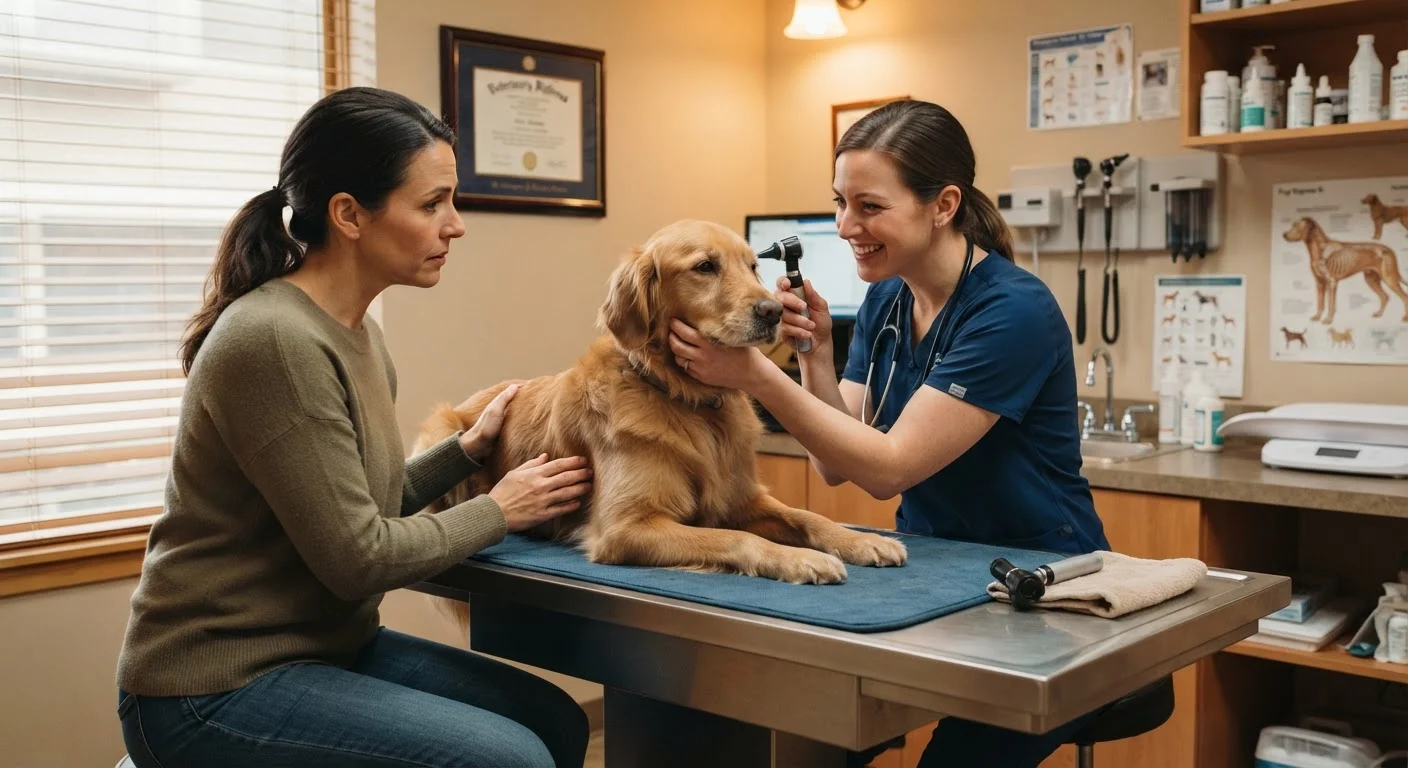
Photo credit: FaqInsider.com
In this article
Sudden aggression, excessive licking, or nighttime restlessness can signal a medical issue. Learn which behavioral changes warrant a vet visit before a training plan.
Key Takeaways
- Sudden behavioral changes in pets often signal a medical problem, not a training failure.
- Aggression that appears without warning can be linked to pain, hormonal shifts, or neurological issues.
- Compulsive behaviors like excessive licking or tail-chasing may reflect anxiety or physical discomfort.
- A veterinary exam should come before starting any behavior modification plan.
- Older pets showing behavioral shifts deserve particular attention, as changes can indicate age-related conditions.
Why Behavior and Health Are Inseparable
Most pet owners reach for a training solution when a dog snaps unexpectedly or a cat starts urinating outside the litter box. That instinct is understandable - but it can delay the real answer. Behavior is a form of communication, and when it shifts abruptly, the body is often sending the message.
Trainers are skilled at shaping habits, building confidence, and addressing learned behaviors. What they cannot do is diagnose a thyroid disorder, detect chronic pain, or rule out a neurological condition. Bringing a medically unwell pet to training is a bit like asking someone with a broken foot to run a race - no amount of encouragement addresses the underlying problem.
This checklist is designed to help you identify which behavioral changes are most likely to have a medical root cause, so you can prioritize a veterinary evaluation before pursuing a training plan. If you're noticing slower, more gradual shifts, see our guide on when gradual behavioral changes deserve attention.
Rule Out Medical Causes First
Starting a behavior modification program before ruling out a medical cause can be ineffective at best and harmful at worst. A pet in pain may become more anxious or defensive under training pressure. Always schedule a veterinary exam as your first step when behavioral changes are sudden, severe, or unexplained. Your vet may refer you to a veterinary behaviorist - a specialist with both medical and behavioral training - if the picture is complex.
What to Bring to the Vet Appointment
A productive vet visit depends on the quality of information you provide. Before the appointment, take a few minutes to document what you've observed. Veterinarians rely heavily on owner reports because pets can't describe symptoms themselves.
Behavior log or notebook
Record specific incidents - date, time, trigger, and the pet's exact response - to give your vet a clear behavioral timeline.
Short video clips
Capture the behavior on your phone so the vet can observe what you're describing, especially for intermittent or subtle signs.
List of any recent changes at home
Document changes in schedule, diet, household members, or environment that coincided with the behavioral shift.
Previous vet records
Bring documentation of any recent health conditions, medications, or procedures that might be relevant context.
The Checklist: Behavioral Signs That Warrant a Vet Visit
Use this checklist to evaluate your pet's recent behavioral changes. Any item you check off should prompt a call to your veterinarian before beginning or continuing a training program.
Sudden or Unexplained Changes
Aggression and Reactivity
Compulsive or Repetitive Behaviors
Elimination and Appetite Changes
Sleep and Energy Disruptions
Don't Attribute New Aggression to 'Bad Behavior'
Sudden aggression in a previously calm pet is rarely a personality flaw or a training problem. Pain, neurological changes, hormonal imbalances, and vision or hearing loss are all documented medical triggers for new-onset aggression. Punishing or correcting a pet who is acting out due to an underlying condition can worsen stress and damage trust. A vet evaluation is the appropriate first response.
For aging pets, behavioral changes can be especially easy to dismiss as normal slowing down. Our article on senior pet behavioral changes worth monitoring can help you distinguish expected aging from signs that need attention.
If your cat's behavior specifically involves aggression, it's also worth reading about feline play aggression and how to redirect it - once medical causes are ruled out.
This article is for general informational purposes only and is not a substitute for professional veterinary advice. Always consult a licensed veterinarian about your pet's specific health and behavioral concerns.

Author
Pets & Animals Editorial Team
Pets & Animals Editorial Team is the collective byline for our editorial team and contributor network. Articles published under this byline or an editorial pen name are researched, written, and reviewed according to our editorial standards for clarity, consistency, and independence before publication.
View all articles →