
Renting vs. Buying a Home: Weighing the Trade-Offs
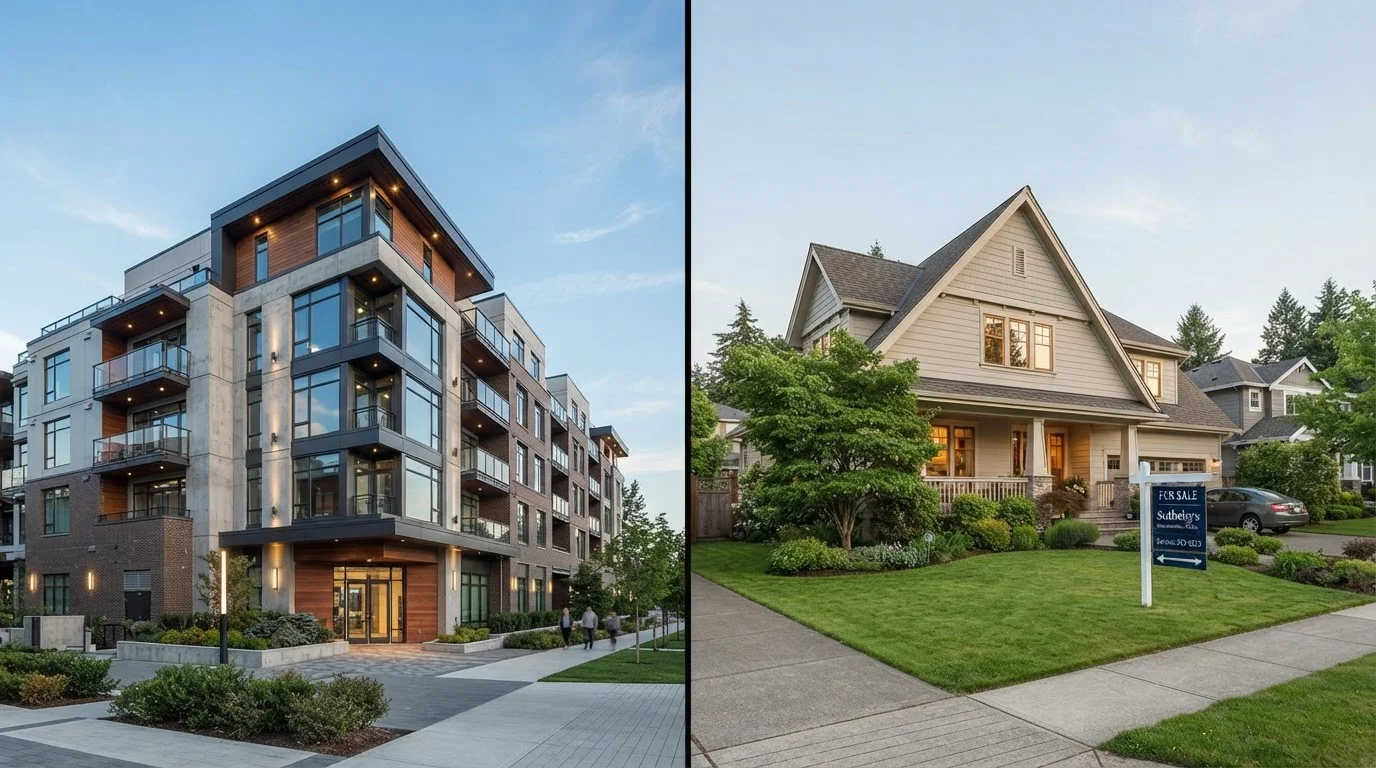
Photo credit: FaqInsider.com
In this article
Neither renting nor buying is universally better. Here's how to think through the financial and lifestyle factors that matter.
Key Takeaways
- Buying builds equity over time but requires significant upfront capital and ongoing maintenance costs.
- Renting offers flexibility and predictable monthly expenses, but provides no ownership stake in the property.
- The right choice depends heavily on how long you plan to stay, local market conditions, and your financial stability.
- Neither renting nor buying is universally superior - each serves different life situations and financial profiles.
- Upfront costs for buyers typically include a down payment, closing costs, and inspection fees totaling tens of thousands of dollars.
Why This Decision Is More Complex Than It Looks
The question of whether to rent or buy a home is one of the most consequential financial decisions most Americans face. Yet it rarely has a single right answer. Media narratives often frame homeownership as the obvious goal, while others point to market volatility and argue renting is smarter. The truth sits between those poles and depends almost entirely on individual circumstances.
Two people with identical incomes living in different cities - or even the same city at different stages of life - can reach opposite conclusions and both be correct. What matters is understanding the real trade-offs on each side, rather than defaulting to cultural assumptions about what homeownership means.
For a deeper look at the financial mechanics alone, see this practical financial comparison of renting versus buying.
| Renting | Buying | |
|---|---|---|
| Upfront costs | Security deposit + first/last month | Down payment + closing costs (often 5-25% of price) |
| Monthly cost predictability | High - fixed lease term | Variable - taxes, insurance, maintenance can shift |
| Equity / wealth building | None directly | Grows with payments and appreciation over time |
| Flexibility to relocate | High - exit at lease end | Low - selling takes time and incurs transaction costs |
| Maintenance responsibility | Landlord handles most repairs | Owner bears full cost and responsibility |
| Customisation freedom | Limited by lease terms | Full control as owner |
| Break-even timeline | Immediate benefit | Typically 5-7+ years to recoup transaction costs |
The Financial Case for Buying
Homeownership's most cited financial benefit is equity accumulation - the portion of the home's value you actually own, which grows as you pay down the mortgage and, ideally, as the property appreciates. Over a long enough holding period, this can represent significant wealth. The mortgage interest deduction and property tax deductions may also reduce taxable income for some buyers, though tax rules vary and a licensed tax professional should be consulted for personal guidance.
That said, the upfront costs of buying are substantial. A conventional down payment is typically 20% of the purchase price to avoid private mortgage insurance (PMI), though some loan programs allow less. Closing costs generally run 2%-5% of the loan amount. Add inspection fees, moving costs, and immediate repairs, and buyers often need to keep that money invested for several years just to break even compared with renting.
Use a Rent-vs-Buy Calculator
Online rent-vs-buy calculators - including those offered by the Consumer Financial Protection Bureau and major financial institutions - let you input local home prices, rent, expected tenure, and investment return assumptions to model your specific scenario. No single rule of thumb substitutes for running the numbers with your actual figures. Consult a qualified financial adviser before making a decision of this magnitude.
A commonly cited guideline is that buyers who plan to stay in a home for fewer than five years may not recoup their transaction costs before selling. Conditions vary significantly by local market, so this threshold is a starting point, not a rule.
Homeowners also bear maintenance costs - typically estimated at 1%-2% of the home's value annually - which renters avoid. If a furnace fails or a roof leaks, that expense falls entirely on the owner.
The Financial Case for Renting
Renting is frequently described as "throwing money away," but that framing ignores real value: a place to live, freedom from maintenance costs, and capital that stays liquid rather than locked in a down payment. In markets where home prices are high relative to rents - a metric called the price-to-rent ratio - renting can be the mathematically stronger choice, particularly if the alternative investment of a down payment generates competitive returns.
Renters also avoid property taxes, homeowners insurance (though renters insurance is strongly advisable), HOA fees where applicable, and the cost of major repairs. Monthly expenses are more predictable, and lease terms provide a defined exit point. For those navigating career changes, relationship transitions, or uncertain timelines, that flexibility has genuine financial value.
To understand how much rent you can realistically afford relative to your income, the rent-to-income ratio guide explains how landlords assess affordability - and how to apply that lens yourself. For broader renting fundamentals, the Renting Basics hub covers leases, tenant rights, and more.
Lifestyle Factors That Often Decide the Question
Beyond the numbers, lifestyle considerations frequently carry more weight than any spreadsheet. How long do you expect to stay in the same area? Owners who sell within two or three years often lose money after accounting for transaction costs. If your job, family situation, or personal plans are likely to shift, renting preserves the ability to move without the friction - and financial loss - of a home sale.
Ownership also brings autonomy. You can renovate, adopt pets freely, or paint walls without landlord approval. But with autonomy comes responsibility: maintenance decisions, contractor relationships, and property management all rest with you. Some people find that genuinely rewarding; others find it stressful and time-consuming.
Market conditions add another layer. In some cities, median home prices far exceed what local incomes can reasonably support. In others, buying is accessible and renting offers few cost advantages. For a framework specific to uncertain or rapidly shifting markets, see renting vs. buying when the market is uncertain.
If you're evaluating the type of home to buy, new construction vs. existing homes outlines a separate but related set of trade-offs worth considering.

Author
Real Estate Editorial Team
Real Estate Editorial Team is the collective byline for our editorial team and contributor network. Articles published under this byline or an editorial pen name are researched, written, and reviewed according to our editorial standards for clarity, consistency, and independence before publication.
View all articles →