
New Construction vs. Existing Homes: What Buyers Should Weigh
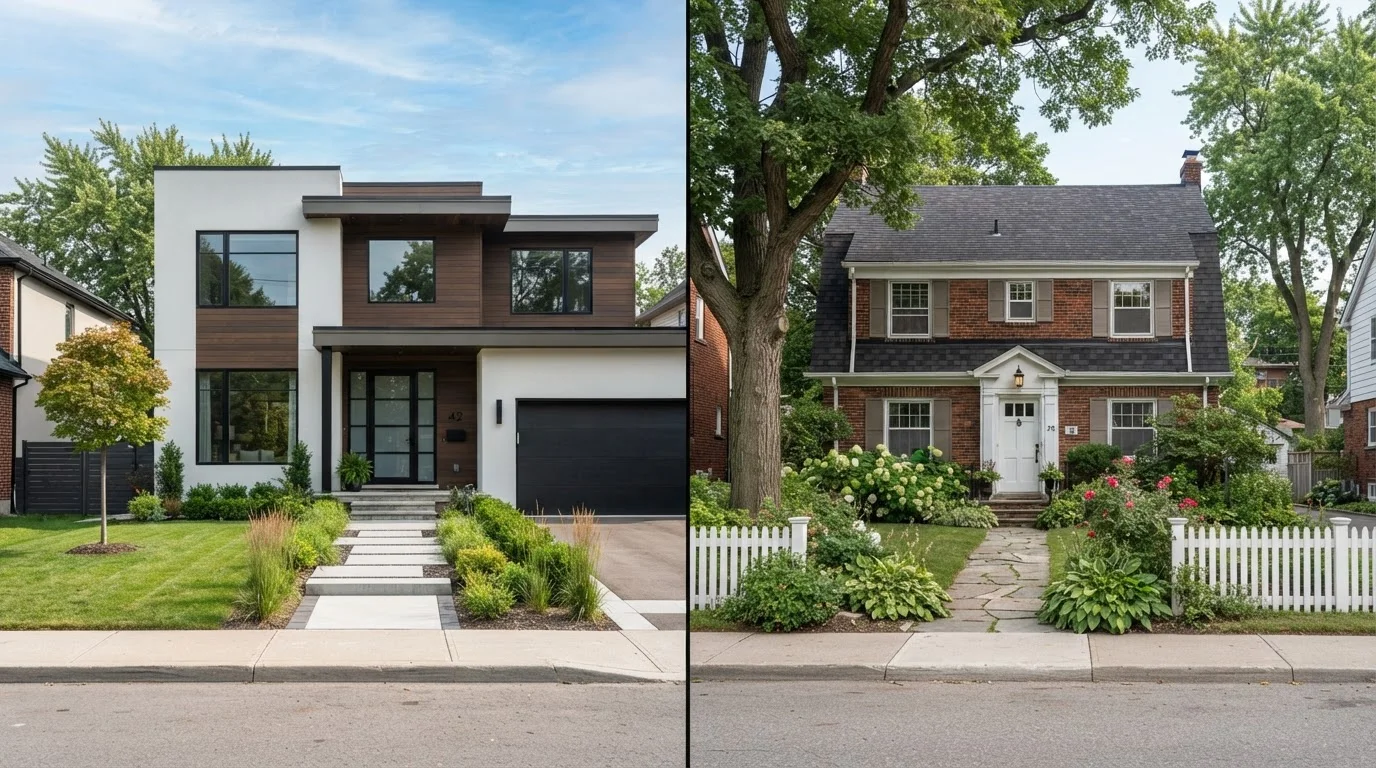
Photo credit: FaqInsider.com
In this article
Brand-new homes and older properties each come with distinct advantages and risks. Here's a balanced look at what each path typically involves.
Key Takeaways
- New construction typically costs more upfront but comes with builder warranties and modern energy efficiency.
- Existing homes often offer more location flexibility and faster move-in, but may require near-term repairs.
- Builder incentives on new homes can offset some costs, but buyers should read contracts carefully.
- Existing home negotiations can lower purchase price, but inspection findings may add unexpected expenses.
- Both paths require due diligence - inspections, financing pre-approval, and market research apply to each.
Understanding the Core Differences
Choosing between a newly built home and an existing resale property is one of the most consequential decisions a homebuyer will make. Both paths can lead to a sound investment and a comfortable home - but they involve very different processes, timelines, costs, and risks.
New construction refers to homes that have never been occupied, built by a developer or custom builder. Existing homes - sometimes called resale homes - are properties previously owned and often lived in. Each category carries its own set of trade-offs, and understanding them clearly is more useful than assuming one is universally better than the other.
For a broader look at how new housing supply affects the overall market, see our piece on how new construction data fits into the housing picture.
| Criterion | New Construction | Existing Homes |
|---|---|---|
| Typical price point | Generally higher per sq. ft. | Varies widely; more room to negotiate |
| Condition on move-in | Brand new; no deferred maintenance | Varies; inspection essential |
| Builder/seller warranties | Builder warranty standard | As-is or negotiated; home warranty optional |
| Closing timeline | Months to over a year if pre-sale | Typically 30-60 days |
| Customization options | Often available during build phase | Renovate after purchase at your cost |
| Location variety | Limited to available land/zoning | Wide geographic range |
| Energy efficiency | Built to current codes; generally high | Varies by age; upgrades may be needed |
| Negotiation flexibility | Limited; builder contracts favor builder | Price, repairs, credits often negotiable |
Cost, Pricing, and What You're Really Paying For
New construction homes typically carry a price premium over comparable resale properties in the same market. That premium reflects modern building materials, updated energy codes, and the builder's profit margin. However, buyers of new homes often save on immediate maintenance - new roofs, HVAC systems, and appliances are unlikely to need replacement for years.
Builders sometimes offer incentives such as rate buydowns, closing cost assistance, or appliance packages, particularly when moving unsold inventory. These incentives can soften the sticker price gap, but buyers should review all builder contracts carefully and consider having a real estate attorney look them over. Builder contracts are typically written to favor the developer.
With existing homes, the list price is often a starting point for negotiation. A home inspection - strongly recommended for any resale purchase - may reveal issues that justify a lower offer or a seller-funded repair credit. That said, deferred maintenance, older systems, or cosmetic updates can add costs that don't show up on the price tag.
~$400K+
Median new construction home price (U.S.)
According to U.S. Census Bureau data, new single-family home median sales prices have consistently run higher than existing home medians tracked by the National Association of Realtors.
30-60 days
Typical existing home closing timeline
Most resale transactions close within this window, compared to new construction which can take six months to over a year depending on build stage.
~10-20%
Common builder upgrade cost overrun
Industry observers note that buyers frequently spend well above the advertised base price once selecting finishes and upgrades during the build process.
Location, Community, and Lifestyle Fit
One of the most consistent advantages of existing homes is location diversity. Resale properties exist throughout established urban neighborhoods, mature suburbs, and rural communities - wherever people have lived before. New construction, by contrast, is largely concentrated where land is available and zoning permits development, which often means outer suburbs or exurban areas.
Established neighborhoods offer mature landscaping, proximity to transit, walkable amenities, and school districts with long performance histories. New subdivisions may eventually offer similar features, but buyers are often moving in before those elements are fully developed.
If you're still weighing whether buying makes sense at all, our overview of renting versus buying covers the key financial and lifestyle factors to consider first.
Timelines, Process, and What to Expect
The buying process itself differs significantly between the two paths. Purchasing an existing home follows a familiar arc: offer, inspection, financing, and closing - typically within 30 to 60 days. New construction can involve a pre-sale contract signed months before a home is finished, with move-in dates subject to supply chain delays, labor shortages, or permit backlogs.
Buyers of new homes should also be aware that model homes and renderings may not reflect the base price product. Upgrades - better flooring, additional outlets, premium fixtures - add up quickly and can push the final cost well above the advertised starting price.
For a deeper comparison of how these two options behave when housing inventory is scarce, see our analysis of new construction vs. existing homes in a tight market. In competitive conditions, the calculus shifts in ways most buyers don't fully anticipate.
Get an Independent Inspection Either Way
Even new construction homes benefit from an independent third-party inspection before closing - and ideally at multiple stages during the build. Builder inspections are not a substitute. For existing homes, a thorough inspection is non-negotiable and can reveal hidden issues that significantly affect your offer or decision to proceed.

Author
Real Estate Editorial Team
Real Estate Editorial Team is the collective byline for our editorial team and contributor network. Articles published under this byline or an editorial pen name are researched, written, and reviewed according to our editorial standards for clarity, consistency, and independence before publication.
View all articles →