
Altitude Sickness: Recognizing Symptoms Before They Become Dangerous
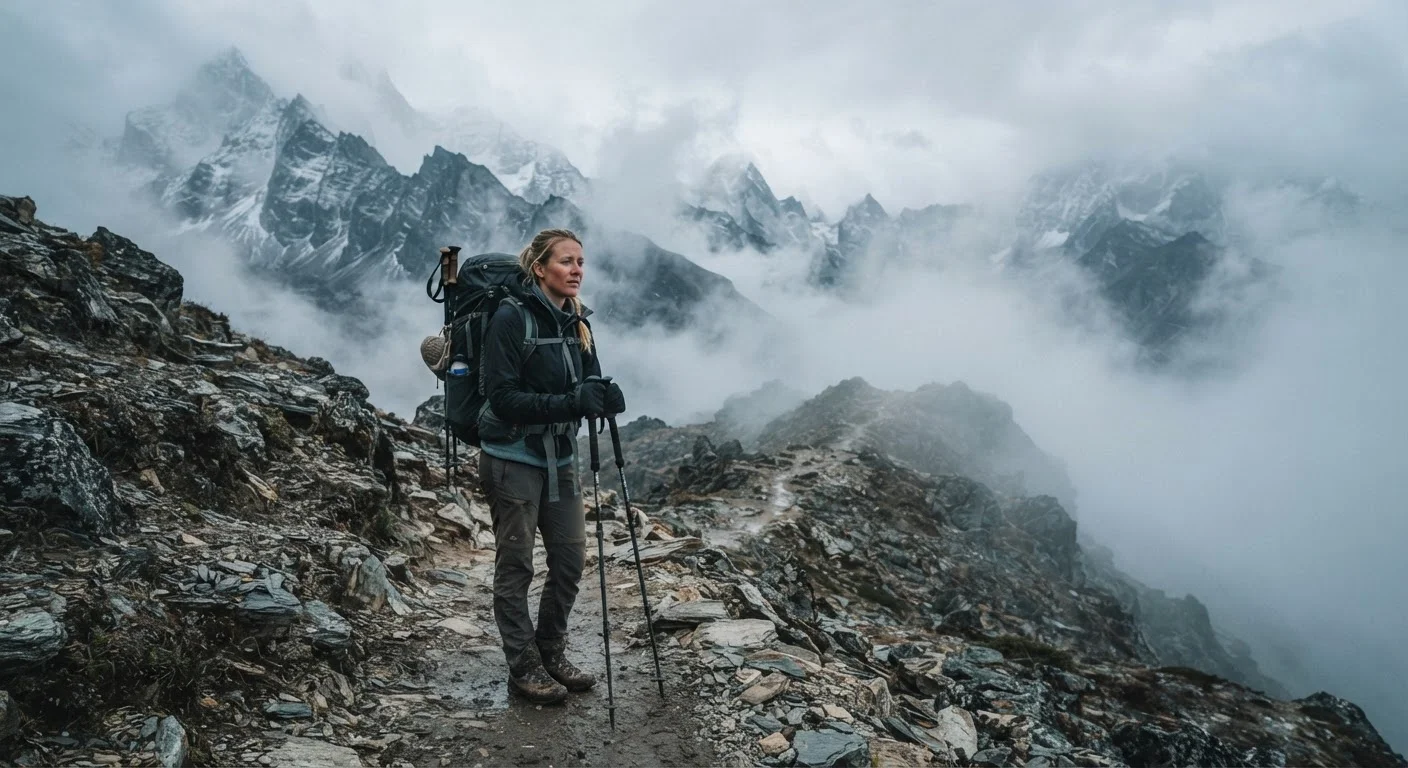
Photo credit: FaqInsider.com
In this article
Acute mountain sickness can turn a trek into a medical emergency. Learn how altitude affects the body, who's most vulnerable, and when to descend.
Key Takeaways
- Altitude sickness can affect anyone above 8,000 feet, regardless of fitness level.
- Early symptoms include headache, nausea, dizziness, and fatigue - easy to mistake for dehydration or jet lag.
- Ascending too quickly is the primary risk factor; a gradual ascent is the most effective prevention.
- Severe forms - HAPE and HACE - require immediate descent and emergency medical care.
- Consulting a healthcare provider before high-altitude travel is strongly recommended.
- Fitness level does not predict who will develop AMS - prior acclimatization matters far more.
Why Altitude Affects the Body
As elevation increases, atmospheric pressure drops - meaning each breath you take delivers fewer oxygen molecules to your lungs. Your body compensates by breathing faster and your heart beats harder, but these adjustments take time. When you ascend faster than your body can adapt, oxygen levels in the blood fall, and tissues - especially the brain - begin to signal distress.
This is not a niche wilderness concern. Popular travel destinations around the world sit at elevations where AMS is genuinely common: Machu Picchu in Peru sits above 7,900 feet, Cusco above 11,000 feet, and many Himalayan trekking routes push well past 14,000 feet. Even some ski resorts in Colorado sit high enough that first-time visitors notice symptoms.
For a broader look at how environmental changes affect the body during travel, see our guide on managing your body across environments.
25-50%
Travelers affected by AMS at 8,000-10,000 ft
Research published in travel medicine literature suggests roughly a quarter to half of unacclimatized visitors to moderate high-altitude destinations develop some degree of AMS.
~75%
AMS incidence on rapid Kilimanjaro ascents
Studies of trekkers attempting Kilimanjaro on aggressive schedules report AMS rates as high as 75%, highlighting the outsized role of ascent speed.
8,000 ft
Elevation threshold where AMS risk begins
Medical consensus generally places the meaningful risk threshold around 8,000 feet (2,400 m), though sensitive individuals may notice effects somewhat lower.
Recognizing the Symptoms: Mild to Severe
The tricky thing about altitude sickness is that early symptoms look a lot like common travel complaints - dehydration, jet lag, or overexertion. That overlap is exactly why travelers dismiss warning signs until the situation escalates.
Mild AMS Symptoms
- Throbbing headache (usually the first and most reliable sign)
- Fatigue or unusual weakness
- Dizziness or lightheadedness
- Nausea or loss of appetite
- Difficulty sleeping
Moderate AMS Symptoms
- Worsening headache not relieved by rest or hydration
- Vomiting
- Reduced physical coordination
- Increasing breathlessness at rest
Severe AMS - Emergency Warning Signs
Two life-threatening conditions can develop if moderate AMS is ignored:
- HAPE (High Altitude Pulmonary Edema)
- Fluid builds in the lungs. Symptoms include extreme breathlessness, a persistent cough (sometimes producing pink or frothy mucus), and inability to walk without severe breathlessness.
- HACE (High Altitude Cerebral Edema)
- Fluid accumulates in the brain. Signs include severe confusion, loss of coordination, inability to walk a straight line, and altered consciousness.
Either condition demands immediate descent and emergency medical attention - do not wait to see if symptoms improve on their own.
Use the 'Buddy System' at Altitude
Symptoms like confusion and loss of coordination - signs of severe AMS - can impair your own judgment about how sick you are. Travel with a companion who knows the warning signs and has agreed to advocate for descent if needed. Never dismiss a fellow traveler's worsening symptoms as 'just tiredness' at elevation.
Who Is Most at Risk
Anyone can develop altitude sickness - there is no reliable way to predict susceptibility based on age, sex, or fitness alone. However, certain patterns do emerge:
- Rate of ascent is the strongest risk factor. Flying or driving directly to a high-altitude destination (rather than trekking gradually) significantly increases risk.
- Previous AMS history is a meaningful predictor. If you've had it before, you're more likely to have it again at similar elevations.
- Residence at sea level means your body has had no recent opportunity to adapt.
- Certain health conditions - including heart or lung conditions - may increase risk or complicate acclimatization. Travelers managing chronic conditions while traveling should discuss altitude plans with their healthcare provider well in advance.
Interestingly, younger travelers sometimes experience AMS at higher rates, possibly because they push harder physically and ascend more aggressively.
Practical Prevention Strategies
No prevention strategy is foolproof, but the evidence consistently points to a few reliable approaches:
Ascend Gradually
The widely cited rule of thumb among mountaineering communities: above 8,000 feet, limit sleeping elevation gains to roughly 1,000 feet per day, and plan a rest day for every 3,000 feet gained. Sleeping altitude matters more than peak daytime altitude.
Hydrate Well - But Don't Over-Hydrate
Dehydration worsens AMS symptoms, and the dry air at altitude accelerates fluid loss. Drink steadily throughout the day. That said, drinking excess water does not prevent AMS itself.
Avoid Alcohol and Sedatives Early On
Both suppress breathing during sleep, which is already less efficient at altitude. Save celebratory drinks for after your body has adjusted.
Plan Rest Days Into Your Itinerary
Itinerary flexibility isn't just nice to have - at altitude it's a safety buffer. Building in a full acclimatization day at an intermediate elevation before pushing higher can make a meaningful difference.
Talk to a Healthcare Provider Before You Go
A travel medicine specialist or your primary care provider can assess your individual risk, discuss whether preventive medication is appropriate, and advise on any interactions with existing conditions or medications. Do this well before your departure date - not the week before.
This article is for informational purposes only and does not constitute medical advice. Always consult a qualified healthcare professional before making decisions about your health, especially for high-altitude travel.
Frequently Asked Questions

Author
Travel Editorial Team
Travel Editorial Team is the collective byline for our editorial team and contributor network. Articles published under this byline or an editorial pen name are researched, written, and reviewed according to our editorial standards for clarity, consistency, and independence before publication.
View all articles →