
Food and Water Safety Abroad: What Travelers Consistently Get Wrong
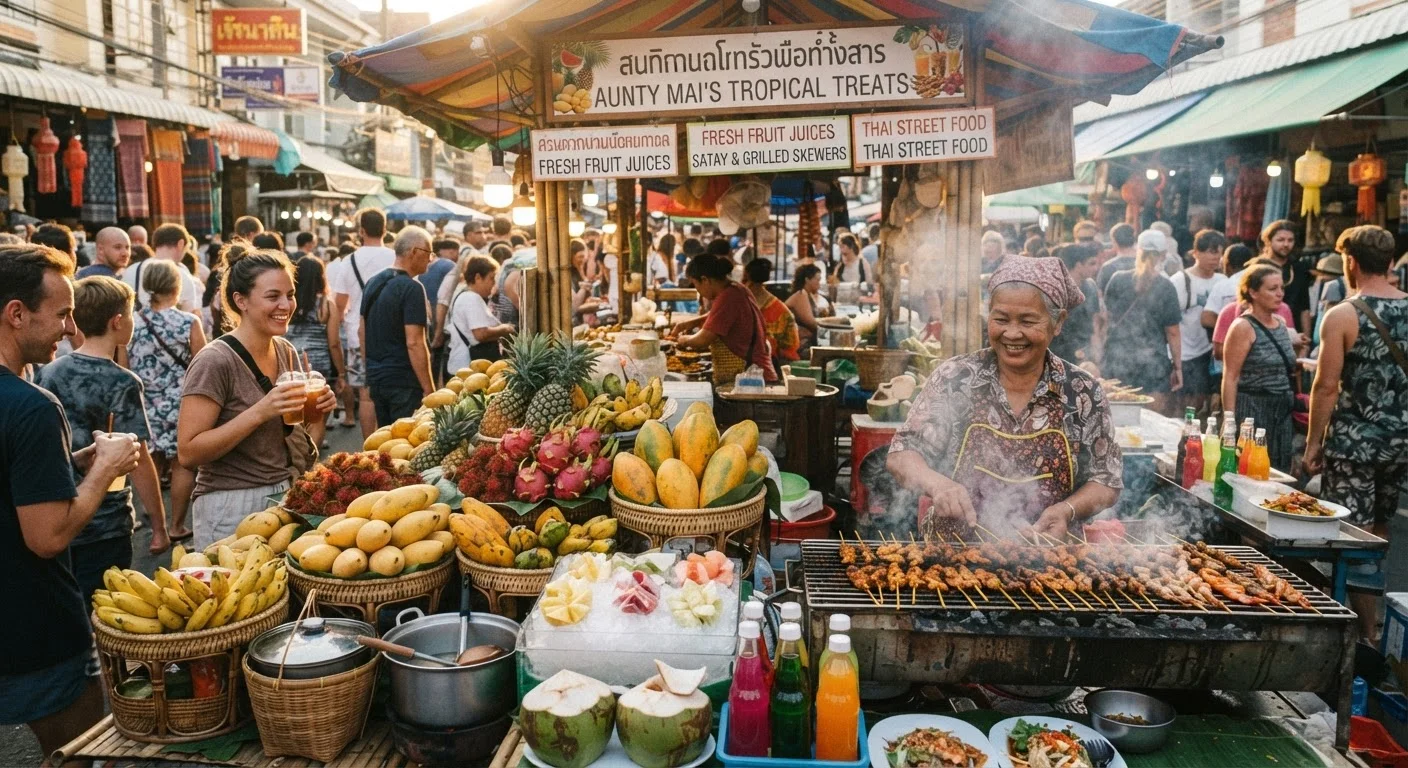
Photo credit: FaqInsider.com
In this article
Traveler's diarrhea and foodborne illness are largely preventable. Here's where most people let their guard down—and how to avoid it.
Key Takeaways
- Tap water is not the only source of contamination-ice, fresh produce, and sauces carry the same risks.
- Traveler's diarrhea affects an estimated 30-70% of international travelers depending on destination.
- Hand hygiene is one of the most consistently overlooked and most effective defenses available.
- Busy, high-turnover food stalls are often safer than quiet, seemingly upscale restaurants.
- Always verify vaccine and medication recommendations with a travel health professional before departure.
Why Food and Water Illness Hits Even Careful Travelers
Most travelers who get sick abroad didn't ignore every warning-they just missed a few key moments. Traveler's diarrhea is among the most common illnesses affecting international visitors, with estimates from public health sources suggesting it strikes 30-70% of travelers to higher-risk regions. The frustrating truth is that most cases are largely preventable with consistent habits, not perfect ones.
The mistakes that lead to illness tend to be predictable. Understanding why they happen is the first step toward actually avoiding them-not just while you're paying attention on day one, but throughout the trip. For a deeper look at the biology behind the illness itself, see our overview of traveler's diarrhea causes and prevention.
Assuming bottled water covers all contamination risks.
Why it happens: Travelers mentally file 'water safety' as one checkbox-buy bottled water, done. They don't extend the thinking to ice, tap-rinsed produce, or toothbrushing.
Skipping hand hygiene before eating because the restaurant 'looks clean.'
Why it happens: Visual cleanliness is reassuring but tells you nothing about bacterial contamination on surfaces or in food preparation areas.
Avoiding busy street food stalls in favor of quieter, seemingly safer restaurants.
Why it happens: A clean tablecloth and a printed menu feel more trustworthy than a crowded outdoor cart, but appearances are misleading.
Letting guard down mid-trip after eating fine for several days.
Why it happens: After a few uneventful meals, travelers naturally relax and start taking risks they'd have refused on arrival-eating room-temperature buffet food, accepting ice without thinking.
Not consulting a travel health professional before departure about preventive medications.
Why it happens: Many travelers assume antibiotics or preventive medication are only needed if you actually get sick, or they don't know such options exist.
Eating raw or undercooked shellfish and meat at coastal or festival markets.
Why it happens: These settings feel festive and locals seem unaffected, leading travelers to underestimate risk. Local residents often have built-up immunity to regional pathogens that visitors lack.
The Risks You Don't See Coming
Tap water gets most of the attention, but contamination reaches travelers through far more routes than a glass of water at a restaurant. Ice cubes are made from tap water. Salad greens are rinsed with it. Salsas, chutneys, and condiments left at room temperature in warm climates are easy vectors for bacteria. Even a well-meaning street vendor who rinses fruit before handing it to you may be using water you'd never drink directly.
30-70%
Travelers affected by traveler's diarrhea
According to public health estimates, the proportion of international travelers who develop traveler's diarrhea varies widely by destination and behavior.
80%
Cases caused by bacterial pathogens
The majority of traveler's diarrhea cases are attributed to bacterial sources, most commonly E. coli strains, according to travel medicine literature.
One of the less obvious risks: toothbrushing. Many travelers who diligently order bottled water with every meal rinse their toothbrush under the tap without a second thought. That single daily habit is enough to cause illness. The fix is simple-use bottled or treated water for brushing, or at minimum spit rather than swallow and keep water away from your mouth during rinsing.
Want to explore how to eat authentically without overspending while keeping these risks in mind? Our guide on eating well abroad without draining your wallet has practical strategies for both your health and your budget.
Putting It All Into Practice
Good intentions at the start of a trip often erode by day three. Jet lag, excitement, and social pressure (everyone else is eating it!) wear down vigilance. Build a few non-negotiable habits rather than trying to evaluate every meal from scratch.
Prioritize stalls and restaurants with high customer turnover-food that moves quickly doesn't sit out long enough to become a serious risk. Cooked food served hot straight from the heat source is generally far safer than room-temperature dishes that have been sitting. Fruit you peel yourself-bananas, oranges, mangoes-is among the safest street food available anywhere.
On water: if bottled water isn't available or you're trying to reduce plastic waste, water purification tablets or portable UV-light purifiers are practical alternatives worth packing. Always verify local water quality guidance with official sources before your trip, as conditions vary significantly even within a single country.
For a clear-eyed look at which food safety fears are well-founded and which are overblown, check out food and water safety abroad: separating myth from medical reality. And if you want to protect your trip budget alongside your stomach, where budget travelers consistently lose money covers the financial blind spots that often go hand in hand with poor planning.
This article provides general travel health information for educational purposes only. It is not a substitute for personalized medical advice. Consult a qualified travel health professional or your physician before travel, especially regarding vaccinations, medications, or specific health concerns.

Author
Travel Editorial Team
Travel Editorial Team is the collective byline for our editorial team and contributor network. Articles published under this byline or an editorial pen name are researched, written, and reviewed according to our editorial standards for clarity, consistency, and independence before publication.
View all articles →