
Mosquito-Borne Diseases Travelers Should Know About
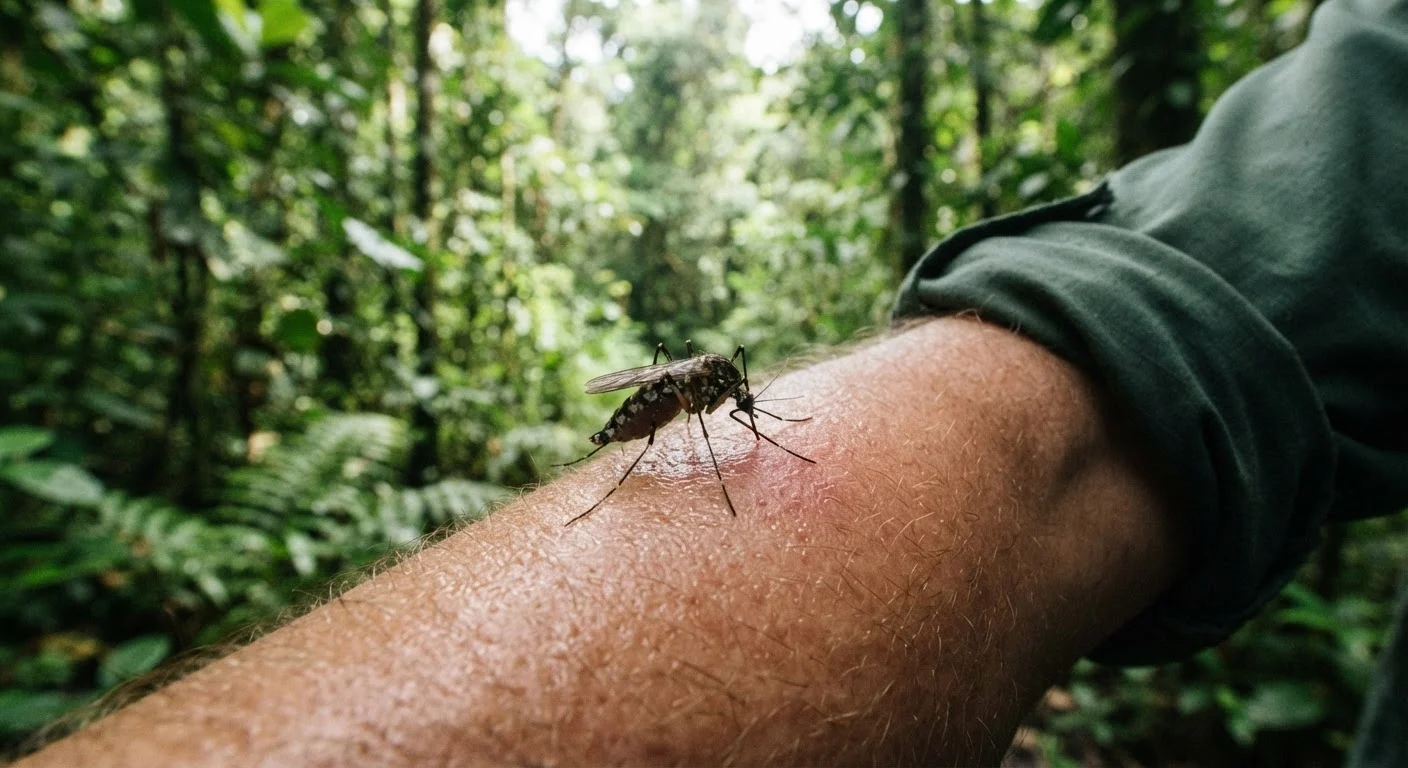
Photo credit: FaqInsider.com
In this article
Malaria, dengue, Zika, and chikungunya all travel with mosquitoes. Learn which diseases are active where and how personal protection measures work.
Why Mosquitoes Are a Traveler's Health Concern
Mosquitoes are responsible for transmitting some of the world's most widespread infectious diseases. For travelers venturing into tropical and subtropical regions - popular spots in Southeast Asia, sub-Saharan Africa, Latin America, and the Caribbean - the risk of encountering mosquito-borne illness is real and worth understanding before you pack a bag.
Two key mosquito genera drive most travel-related disease: Anopheles mosquitoes, which transmit malaria, and Aedes mosquitoes, which spread dengue, Zika, chikungunya, and yellow fever. Knowing which species is active in your destination informs when and how aggressively you should protect yourself.
If you're also navigating a chronic health condition, the stakes around prevention can be higher - see our guide on managing chronic conditions while traveling for additional planning considerations.
| Primary disease vectors | Anopheles (malaria) and Aedes (dengue, Zika, chikungunya, yellow fever) mosquitoes |
| Countries with malaria risk | Approximately 85 countries, concentrated in sub-Saharan Africa, South Asia, and Latin America (World Health Organization general estimates) |
| Dengue active countries | More than 100 countries across tropical and subtropical regions (WHO, general estimates) |
| Yellow fever vaccine | Required for entry into multiple countries in Africa and South America (Verify with destination embassy before travel) |
| Aedes biting hours | Primarily daytime, including early morning and late afternoon |
| Anopheles biting hours | Primarily dusk to dawn |
The Major Mosquito-Borne Diseases at a Glance
Understanding each disease's profile - geographic range, symptoms, and whether preventive medication exists - helps travelers make informed decisions with their healthcare provider.
Malaria
Malaria is caused by Plasmodium parasites transmitted through the bite of infected Anopheles mosquitoes. It is present across much of sub-Saharan Africa, South Asia, and parts of Central and South America. Symptoms typically appear 7-30 days after exposure and include high fever, chills, sweating, headache, and muscle aches. Preventive medications (prescribed by a physician) and prompt treatment are critical; untreated malaria can become life-threatening. Always consult a travel medicine specialist well before departure if your itinerary includes malaria-endemic areas.
Dengue Fever
Dengue is transmitted by Aedes aegypti mosquitoes, which bite primarily during daylight hours - a key distinction from malaria-carrying mosquitoes. It circulates in more than 100 countries, with high activity in Southeast Asia, Latin America, and the Pacific Islands. Symptoms include sudden high fever, severe headache, pain behind the eyes, joint and muscle pain, and rash. There is no widely available medication to prevent dengue for most travelers, making bite prevention the primary strategy.
Zika Virus
Zika is also spread by Aedes mosquitoes. Most infections cause mild or no symptoms, but Zika poses serious documented risks during pregnancy, including birth defects. People who are pregnant or planning to become pregnant should consult a physician about Zika-active regions before any travel. Active transmission areas change over time - check official government travel health advisories before every trip.
Chikungunya
Chikungunya causes fever and severe joint pain that can persist for weeks or months after the initial illness resolves. Found across Africa, Asia, Europe, and the Americas, it is also spread by Aedes mosquitoes. There is currently no vaccine approved for general travelers in the U.S., though one has been licensed for certain adults - your doctor can advise on your individual eligibility.
Yellow Fever
Yellow fever occurs in parts of tropical Africa and South America. A highly effective vaccine exists and is required for entry into several countries - not just recommended. Verify entry requirements with official embassy sources and a travel medicine clinic well ahead of your departure date.
Vector
An organism - such as a mosquito - that transmits a pathogen from one host to another. Mosquitoes are the primary vector for the diseases discussed in this article.
Endemic
Describes a disease that is regularly found and consistently present in a particular geographic area or population, as opposed to occurring in isolated outbreaks.
Prophylaxis
Preventive treatment taken to reduce the risk of contracting a disease. Antimalarial medications are a common form of prophylaxis for travelers to malaria-endemic regions.
Travel medicine specialist
A physician trained in the prevention and management of health risks associated with international travel, including vaccine recommendations, preventive medications, and destination-specific disease guidance.
Permethrin
An insecticide applied to clothing, gear, and bed nets to repel or kill mosquitoes on contact. It is not intended for direct skin application.
Personal Protection: Building a Practical Defense
No single measure eliminates risk entirely, but layering several strategies dramatically reduces your exposure. Think of protection as a system, not a single product.
- Repellents registered by the EPA: Look for active ingredients such as DEET, picaridin, IR3535, or oil of lemon eucalyptus (OLE). Apply to exposed skin according to label directions. Concentrations matter - higher percentages generally provide longer protection.
- Protective clothing: Long-sleeved shirts and long pants, particularly treated with permethrin (a clothing-safe insecticide), reduce skin exposure significantly. Light-colored fabrics make it easier to spot mosquitoes.
- Bed nets: In regions with significant malaria risk, a permethrin-treated bed net is standard protection, especially if sleeping in unscreened or non-air-conditioned spaces.
- Time awareness: Anopheles mosquitoes are most active at dusk and dawn; Aedes mosquitoes bite throughout the day. Adjusting outdoor activity timing can meaningfully lower exposure.
- Eliminating standing water: If you're staying somewhere longer-term, remove standing water around your accommodation - flower pots, buckets, and clogged drains are prime breeding sites.
Hot and humid destinations amplify mosquito activity, so be extra vigilant. Our guide to protecting yourself in hot-climate destinations covers additional risks you'll face in the same environments.
This article provides general health information for educational purposes only and is not a substitute for personalized medical advice. Always consult a qualified healthcare provider or travel medicine specialist before traveling to destinations with known mosquito-borne disease risks.

Author
Travel Editorial Team
Travel Editorial Team is the collective byline for our editorial team and contributor network. Articles published under this byline or an editorial pen name are researched, written, and reviewed according to our editorial standards for clarity, consistency, and independence before publication.
View all articles →