
Sun, Heat, and Humidity: Protecting Yourself in Hot-Climate Destinations
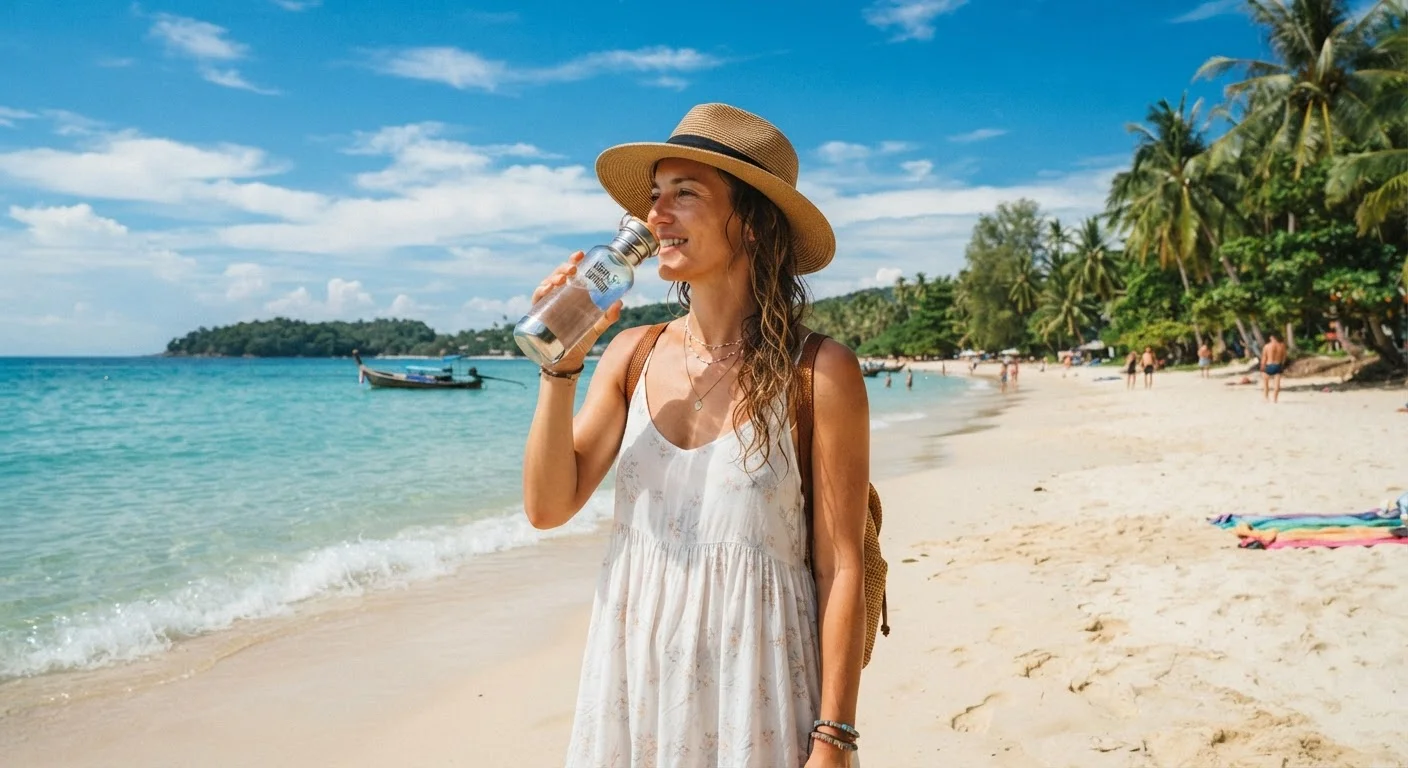
Photo credit: FaqInsider.com
In this article
Heat-related illness, sunburn, and dehydration are common travel health issues in warm destinations. Here's what to know before you go.
Key Takeaways
- Heat-related illnesses like heat exhaustion and heat stroke are preventable with proper preparation and awareness.
- Hydration is your single most effective defense against heat and humidity while traveling.
- UV exposure is intensified near the equator, at altitude, and over water or sand - adjust sun protection accordingly.
- Acclimatization takes several days; plan lighter activities for your first 48-72 hours in a hot climate.
- Know the warning signs of heat stroke, which is a medical emergency requiring immediate professional care.
- Travelers managing chronic health conditions should consult a healthcare provider before visiting hot-climate destinations.
Why Hot Climates Demand Extra Preparation
Vacationing in warm, sunny places is one of travel's great pleasures - but heat, humidity, and intense UV radiation create genuine health risks that are easy to underestimate, especially for travelers arriving from cooler home environments. Bodies accustomed to moderate climates haven't had time to adapt, making visitors more vulnerable than locals during the first days of a trip.
Heat-related illness exists on a spectrum: at the mild end is heat cramps and simple dehydration; in the middle is heat exhaustion; at the severe end is heat stroke, which can be life-threatening. Similarly, UV exposure that causes a painful sunburn on day one can derail an entire trip. The good news is that the right preparation dramatically reduces these risks for most travelers.
If you're managing a chronic health condition - including heart disease, diabetes, kidney conditions, or anything affecting fluid balance - heat places additional demands on your body. See our guide to managing chronic conditions while traveling for targeted planning advice before booking a hot-climate trip.
What you will need
What You'll Need Before You Go
Preparation begins before you leave home. The tools and supplies below make a real, practical difference in your comfort and safety on the ground.
Broad-spectrum sunscreen (SPF 30 or higher)
Protects exposed skin from UVA and UVB radiation, reducing sunburn and long-term skin damage.
Wide-brimmed hat
Shields face, neck, and ears - areas frequently burned and often missed by sunscreen application.
Reusable insulated water bottle
Keeps water cold and encourages consistent hydration throughout the day.
Oral rehydration salts (ORS) packets
Help replace electrolytes lost through heavy sweating, especially useful if clean sports drinks are unavailable.
Lightweight, loose-fitting clothing in light colors
Reflects sunlight and promotes airflow, helping the body cool itself more effectively.
UV-blocking sunglasses
Protect eyes from UV damage, which is intensified by reflective surfaces like water and sand.
Portable handheld fan or cooling towel
Provides quick cooling relief during outdoor activities or when air conditioning is unavailable.
Check the UV Index Before You Head Out
Most weather apps display the UV Index, a scale from 1 (low) to 11+ (extreme). A UV Index of 8 or higher - common in tropical and subtropical destinations - means unprotected skin can burn in as little as 15 minutes. Plan shaded activities around midday, typically between 10 a.m. and 4 p.m. local time, when UV radiation peaks.
Step-by-Step: How to Protect Yourself in Heat and Sun
Follow these steps from pre-trip research through your daily routine on the ground. Each builds on the last - preparation, consistent habits, and knowing when to pull back are the core pillars of staying safe in hot climates.
Research your destination's heat profile before you pack
Different hot-climate destinations pose different risks. A dry desert environment like the American Southwest or Saharan region may have lower humidity but extreme temperatures exceeding 100°F (38°C). Tropical destinations - the Caribbean, Southeast Asia, Central America - combine high temperatures with high humidity, which slows the body's natural sweating-and-cooling process. Research average temperatures, humidity levels, and UV Index ranges for your travel dates. This shapes every packing and planning decision that follows.
Build your hydration strategy
In hot climates, your body can lose fluid faster than you think - especially when you're sightseeing, hiking, or simply sitting in direct sun. A general guideline from public health sources is to drink water regularly throughout the day rather than waiting until you feel thirsty, since thirst is a late signal of mild dehydration. Aim for pale yellow urine as a practical indicator of adequate hydration. In destinations where tap water safety is uncertain, use sealed bottled water, properly filtered water, or boiled water - and apply the same caution to ice.
Apply and reapply sun protection consistently
Apply broad-spectrum sunscreen to all exposed skin at least 15-30 minutes before going outside. Reapply every two hours, or more frequently if you're swimming or sweating heavily. Don't overlook commonly missed areas: the tops of feet, back of hands, ears, back of the neck, and the scalp along part lines. Pair sunscreen with a wide-brimmed hat, UV-protective sunglasses, and light, long-sleeved clothing when practical - layered protection is significantly more effective than sunscreen alone.
Pace yourself during the acclimatization window
The human body needs time to adapt to sustained heat - a process called heat acclimatization that generally takes 7-14 days of gradual exposure, according to occupational health research. During your first 48-72 hours in a significantly hotter climate, scale back your activity level. Skip the ambitious all-day hike on day one. Instead, opt for shorter outdoor excursions during cooler morning hours, rest in shaded or air-conditioned spaces during midday, and save more strenuous activities for later in your trip when your body has had a chance to adjust.
Recognize and respond to heat exhaustion warning signs
Heat exhaustion is the body's distress signal before a more serious crisis. Common signs include heavy sweating, cool or pale skin, weakness, dizziness, nausea, headache, and a fast or weak pulse. If you or a travel companion experiences these symptoms, move immediately to a cool, shaded, or air-conditioned space, loosen clothing, sip cool water, and rest. Most people recover fully from heat exhaustion with prompt rest and rehydration - but if symptoms worsen or don't improve within an hour, seek medical attention.
Adapt your clothing and daily schedule to the environment
Clothing choices are an underrated heat management tool. Loose, breathable fabrics in light colors - linen, moisture-wicking synthetics, or lightweight cotton - help your body dissipate heat more effectively than fitted or dark-colored garments. Adjust your day's schedule around the climate: front-load outdoor activities in the morning, take a midday rest (many cultures in hot climates have long embraced this for good reason), and resume activities in the late afternoon or evening when temperatures ease.
Heat Stroke Is a Medical Emergency
Heat stroke occurs when the body loses its ability to regulate temperature and core body temperature rises dangerously. Signs include confusion, slurred speech, loss of consciousness, and hot, dry skin. If you or someone in your group shows these symptoms, move to a cool environment immediately and seek emergency medical care - do not attempt to treat heat stroke on your own.
Additional Risks to Keep on Your Radar
Hot, humid environments often coincide with other travel health concerns worth noting. Many tropical destinations have active mosquito populations, and some of those mosquitoes carry diseases like dengue fever, Zika, or malaria. Personal protection measures - including insect repellent and protective clothing - overlap usefully with heat protection strategies. Our article on mosquito-borne diseases travelers should know about covers how these diseases spread and what prevention looks like in practice.
It's also worth noting that hot-climate destinations can occasionally experience extreme weather events, from tropical storms to flash flooding. For a broader look at preparing for environmental hazards abroad, see our coverage of natural disasters and extreme weather preparation for travelers.
Alcohol and Caffeine Worsen Dehydration
Both alcohol and caffeine act as diuretics, increasing fluid loss at exactly the time you need to retain it. Enjoying local drinks is part of travel culture, but compensate by drinking extra water and avoiding alcohol during the hottest part of the day. This is especially important on beach or pool days when you may not notice how much you're sweating.
This article is for general informational purposes only and does not constitute medical advice. Individual health needs vary. Consult a qualified healthcare provider before traveling to hot-climate destinations, especially if you take medications or have an existing health condition.

Author
Travel Editorial Team
Travel Editorial Team is the collective byline for our editorial team and contributor network. Articles published under this byline or an editorial pen name are researched, written, and reviewed according to our editorial standards for clarity, consistency, and independence before publication.
View all articles →