
Natural Disasters and Extreme Weather: How Travelers Can Prepare Before and During a Trip
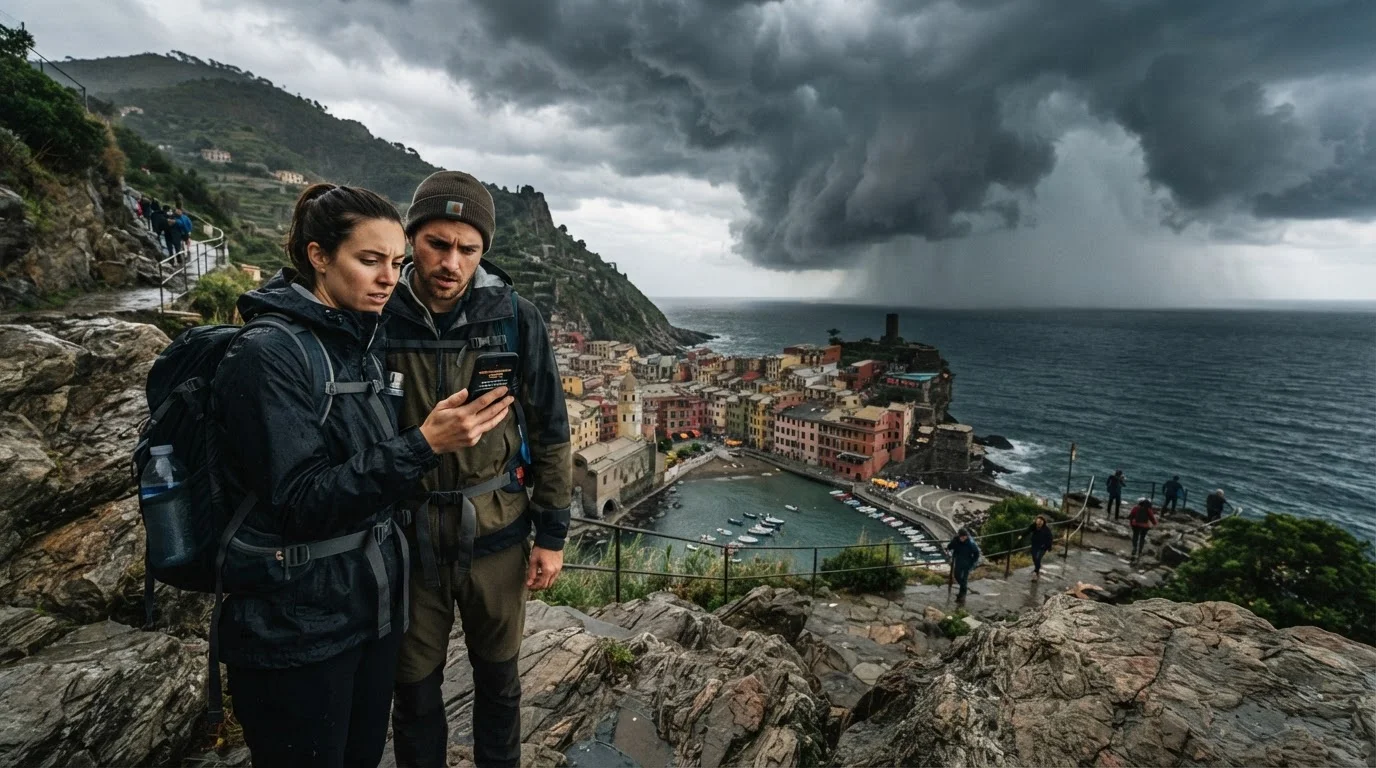
Photo credit: FaqInsider.com
In this article
What experienced travelers and emergency-management guidance suggest for preparing for earthquakes, hurricanes, floods, and other events abroad.
Key Takeaways
- Research your destination's natural disaster risks before departure using official government sources.
- Register with your country's embassy or consulate so authorities can locate you in an emergency.
- Keep digital and paper copies of critical documents stored separately from your originals.
- Travel insurance with emergency evacuation coverage can be a financial lifeline during a disaster.
- Know the local emergency numbers and your accommodation's evacuation routes on arrival.
- Maintain a small emergency kit and enough cash for at least 72 hours of basic needs.
Why Disaster Preparedness Belongs in Every Trip Plan
Most travelers spend hours researching restaurants and sightseeing but far less time thinking about what happens if nature intervenes. Earthquakes, hurricanes, wildfires, floods, and extreme heat don't announce convenient windows - they can disrupt a trip anywhere in the world, from Caribbean resort islands to Southeast Asian river valleys to the U.S. Pacific coast.
The good news is that preparation genuinely reduces risk. Emergency-management agencies and experienced travelers consistently point to the same core principle: people who have thought through disaster scenarios before they happen make calmer, faster decisions when conditions deteriorate. That's the goal here - not to alarm you, but to help you build a straightforward safety layer into any trip you're already excited about. For a broader look at pre-departure planning, see our comprehensive pre-departure guide.
What you will need
Building Your Pre-Trip Risk Foundation
Before packing a bag, spend 20-30 minutes doing targeted research on your destination's hazard profile. The U.S. Department of State's travel advisory system, the CDC's destination pages, and local national meteorological services all publish freely available, regularly updated information. Note which natural hazards are historically common - and what time of year they peak.
Check Hazard Seasons Before You Book
Timing your trip outside of peak disaster seasons is one of the simplest risk-reduction moves available. Researching historical hazard windows - hurricane season, monsoon season, wildfire season - before you finalize dates costs nothing and can meaningfully change your exposure. Build this check into your initial destination research, not as an afterthought after flights are purchased.
Once you understand the risks, take three concrete administrative steps:
- Enroll in STEP - The Smart Traveler Enrollment Program (STEP), run by the U.S. State Department, allows Americans to register a trip so the nearest embassy can send emergency alerts and help locate you. It's free and takes about five minutes online.
- Get appropriate travel insurance - Look specifically for policies that include emergency medical evacuation and trip interruption due to natural disasters. General cancellation coverage may not cover weather events; read policy language carefully and consult the insurer directly about exclusions. This is general information, not personalised financial or insurance advice.
- Save key contacts offline - Local emergency services numbers differ by country (not all use 911). Download or screenshot the local equivalents, your insurer's 24-hour line, the nearest embassy or consulate address, and your accommodation's phone number before you lose data service.
Sound trip-planning habits form the backbone of disaster readiness - our guide on trip-planning habits that hold up across any destination covers the broader framework.
What to Pack for Weather and Disaster Readiness
A compact emergency layer added to your existing luggage can cover most scenarios without significant weight or cost. Emergency-management guidance commonly recommends travelers be able to sustain themselves for at least 72 hours independently.
Portable battery pack (power bank)
Keeps your phone charged when power infrastructure is disrupted during a disaster.
Basic first-aid kit
Covers minor injuries during an evacuation or period when medical services are overwhelmed.
Lightweight flashlight or headlamp
Provides navigation in power outages, which frequently accompany severe storms and earthquakes.
Water purification tablets or filter
Allows safe drinking water access if municipal supply is compromised after flooding or infrastructure damage.
Cash in local currency
ATMs and card payment systems often fail during and after disasters; cash covers food, transport, and shelter.
Waterproof document pouch
Protects paper copies of your passport, insurance card, and emergency contacts from water damage.
Offline maps app (e.g., downloaded map data)
Enables navigation when cell data and Wi-Fi are unavailable during an emergency.
Store documents smartly: keep one physical copy of your passport, insurance card, and itinerary in a separate bag from your originals, and upload scans to a secure cloud folder accessible offline. If your wallet and phone disappear together in a flood evacuation, a printed backup becomes invaluable.
Travelers managing ongoing health conditions should give extra attention to medication supplies and documentation - our guide on managing chronic conditions while traveling covers the specifics in detail. Always consult your healthcare provider before travel for personalised medical guidance.
Step-by-Step: From Departure to On-the-Ground Safety
Follow these steps in order - most of the work happens before you board, so arriving prepared is largely a matter of completing the checklist below well in advance.
Research your destination's hazard profile
Visit the U.S. State Department travel advisory page and your destination country's official meteorological or civil-defense agency. Note active disaster seasons (hurricane season in the Atlantic runs June-November, for example), and identify which geographic zones within your destination carry elevated risk.
Enroll in STEP and share your itinerary
Register your trip at step.state.gov before departure. Leave a complete copy of your itinerary - including accommodation names, addresses, and phone numbers - with a trusted contact at home who knows what to do if they don't hear from you.
Review and confirm your travel insurance coverage
Read your policy's exclusions for natural disasters, weather events, and emergency evacuation. If coverage gaps exist, consider supplemental options. Keep your policy number and the insurer's 24-hour emergency line saved offline on your phone and in printed form.
Pack your emergency essentials
Add a small emergency layer to your luggage: a portable battery pack, a basic first-aid kit, a lightweight flashlight, water purification tablets, enough cash in local currency for 72 hours of basic needs, and any prescription medications with extra days' supply. Keep these accessible, not buried in checked luggage.
Learn your accommodation's emergency procedures on arrival
Within the first hour of check-in, locate fire exits, stairwells, and posted evacuation maps. Ask front desk staff about local emergency protocols - most hotel staff in high-risk areas are trained and willing to explain procedures. Note the local emergency services number specific to that country.
Monitor conditions throughout your trip
Download a reliable weather app that works in your destination region and enable government emergency alerts on your phone. Check conditions each morning, especially during known hazard seasons. If authorities issue watches or warnings, adjust plans proactively rather than waiting for a mandatory evacuation order.
During and After a Disaster Event
If a natural disaster strikes while you're traveling, your first priority is always personal safety. Follow instructions from local authorities, hotel staff, and official emergency broadcasts - not social media rumours, which spread faster than facts in a crisis.
Follow Official Instructions, Not Rumours
During an active disaster event, act on guidance from local emergency services, official government broadcasts, and your accommodation's trained staff. Social media posts and word-of-mouth reports spread rapidly but are often inaccurate or outdated. Delaying evacuation because unofficial sources said conditions were improving is a documented factor in preventable harm during disasters.
After an immediate threat passes, account for everyone in your travel group, then check in with family at home using a pre-agreed communication plan (text messages often get through when voice calls are overloaded). Contact your embassy if you need consular assistance, and notify your travel insurer promptly, since most policies require timely notification to process claims.
Extreme heat is its own category of disaster risk, particularly in regions not built for it. Our article on protecting your health in warm-weather destinations explains heat-related warning signs and precautions worth reviewing before any warm-climate trip.
This article is for general informational and educational purposes only. It is not a substitute for professional emergency-management, medical, legal, or financial advice. Always verify entry requirements, advisories, and local emergency procedures with official government and provider sources before traveling.

Author
Travel Editorial Team
Travel Editorial Team is the collective byline for our editorial team and contributor network. Articles published under this byline or an editorial pen name are researched, written, and reviewed according to our editorial standards for clarity, consistency, and independence before publication.
View all articles →