
Destinations Where Your Dollar Travels Farther: Understanding Purchasing Power Abroad
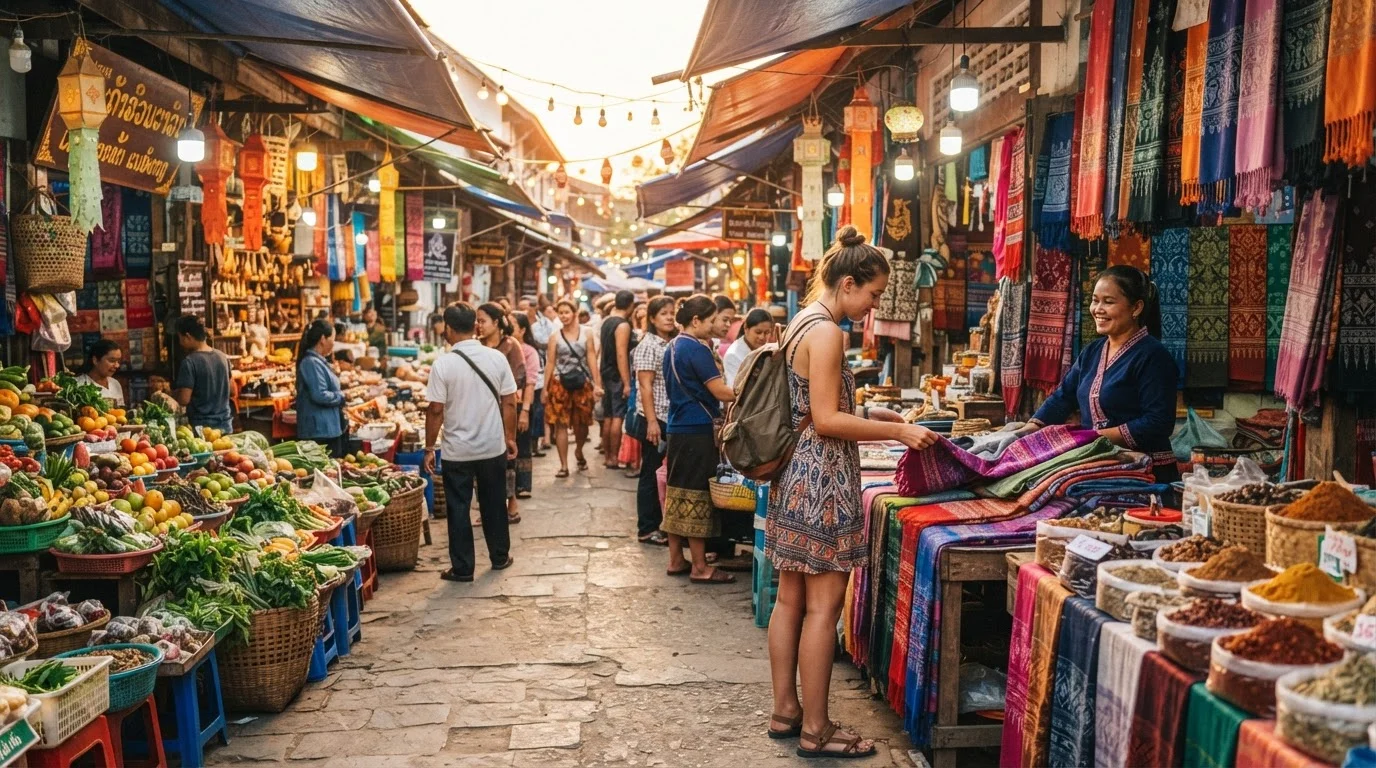
Photo credit: FaqInsider.com
In this article
Currency exchange and local cost of living mean your money goes further in some countries than others. Here's how to think about purchasing power when choosing a destination.
Key Takeaways
- Exchange rates alone don't tell the full story - local price levels determine real purchasing power.
- Countries with lower costs of living can dramatically stretch a fixed travel budget.
- PPP helps compare what your money actually buys, not just what it converts to.
- Your biggest budget categories - lodging, food, and transport - vary most between destinations.
- Choosing a high-value destination strategically can mean more travel for the same spend.
Why Exchange Rates Don't Tell the Whole Story
When most travelers think about making their money go further abroad, they check the exchange rate and stop there. If one dollar converts to a large number of another currency, it feels like a win. But exchange rates are only half the equation.
The other half is the local cost of living. A country where your dollar converts to thousands of units of local currency but where everything costs thousands of those units offers no real advantage. Conversely, a destination with a modest exchange rate but very low everyday prices can be extraordinarily affordable.
This is why economists use the concept of Purchasing Power Parity (PPP) - a way of comparing what a given amount of money can actually buy across different economies. For travelers, the practical takeaway is simple: research what things cost at your destination, not just what your dollars convert to.
~40-70%
Potential savings on daily costs in high-value destinations
Traveler cost databases and PPP indices suggest everyday expenses in parts of Southeast Asia or Eastern Europe can run 40-70% lower than U.S. equivalents, though individual results vary widely.
3x
Difference in meal costs between high- and low-cost destinations
A sit-down meal in a low-cost destination can cost a fraction of an equivalent meal in a high-cost city, making food one of the most variable budget categories for travelers.
Top 3
Budget categories most affected by local purchasing power
Lodging, food, and local transportation are consistently identified as the expenses most sensitive to local price levels in traveler cost research.
Where Purchasing Power Makes the Biggest Difference
Your three largest travel expenses - lodging, food, and local transportation - are also the categories most sensitive to local price levels. In destinations with high purchasing power for U.S. dollar holders, these costs can be a fraction of what you'd pay at home or in a high-cost destination like Western Europe or Japan.
Regions that have historically offered strong value for American travelers include:
- Southeast Asia (Vietnam, Thailand, Cambodia, Indonesia) - where a full sit-down meal may cost a few dollars and comfortable guesthouses are widely available at low nightly rates.
- Central and Eastern Europe (Portugal, Hungary, Romania, Poland) - offering rich cultural experiences and architecture at price points well below their Western European neighbors.
- Latin America (Colombia, Mexico, Guatemala, Peru) - with diverse landscapes, vibrant food scenes, and costs that reward longer stays.
- South Asia (India, Nepal, Sri Lanka) - where daily budgets can stretch remarkably far, especially outside major tourist hubs.
Keep in mind that popular tourist zones within any destination often carry inflated prices. Venturing slightly off the main circuit can restore much of that value. This is one reason slow travel tends to be so budget-friendly - staying longer in one place lets you find local rhythms and pricing rather than paying a tourist premium.
How to Use Purchasing Power When Planning Your Trip
Understanding purchasing power isn't just theoretical - it can actively shape smarter decisions before and during your trip.
Research realistic daily budgets
Look for recent traveler accounts, cost-of-living indices, and community travel forums to get a genuine sense of what a day costs at your destination. Account for your actual travel style: budget backpacker, mid-range comfort, or occasional splurge.
Prioritize locally produced goods and services
The biggest purchasing power gains show up in things made or provided locally - street food, local guesthouses, regional transit, and neighborhood markets. Imported goods, international chain hotels, and tourist-district restaurants often price closer to global norms regardless of the destination. Leaning into local options is where the savings live, and it usually makes for a richer trip too. See our guide to eating well abroad for practical strategies.
Factor in how you'll access your money
Getting good value from local prices only works if you're not losing a chunk to unfavorable conversion fees or ATM charges. Understanding how to handle currency on the ground is its own discipline - carrying cash vs. using cards abroad is worth understanding before you go.
Use Cost Comparison Tools Before You Book
Before committing to a destination, check community-sourced cost databases and recent traveler forum posts to estimate realistic daily budgets. Look specifically at accommodation, a typical sit-down meal, and a local transit fare - these three numbers give you a quick, honest read on a destination's price level. Updating your research within a few months of your trip helps account for seasonal price shifts and inflation.
All cost and destination information in this article is general and educational. Travel costs change frequently due to inflation, exchange rate fluctuations, and local conditions. Always verify current prices and entry requirements through official sources before booking.
Frequently Asked Questions

Author
Travel Editorial Team
Travel Editorial Team is the collective byline for our editorial team and contributor network. Articles published under this byline or an editorial pen name are researched, written, and reviewed according to our editorial standards for clarity, consistency, and independence before publication.
View all articles →