
Carrying Cash vs. Using Cards Abroad: What Every Traveler Should Understand
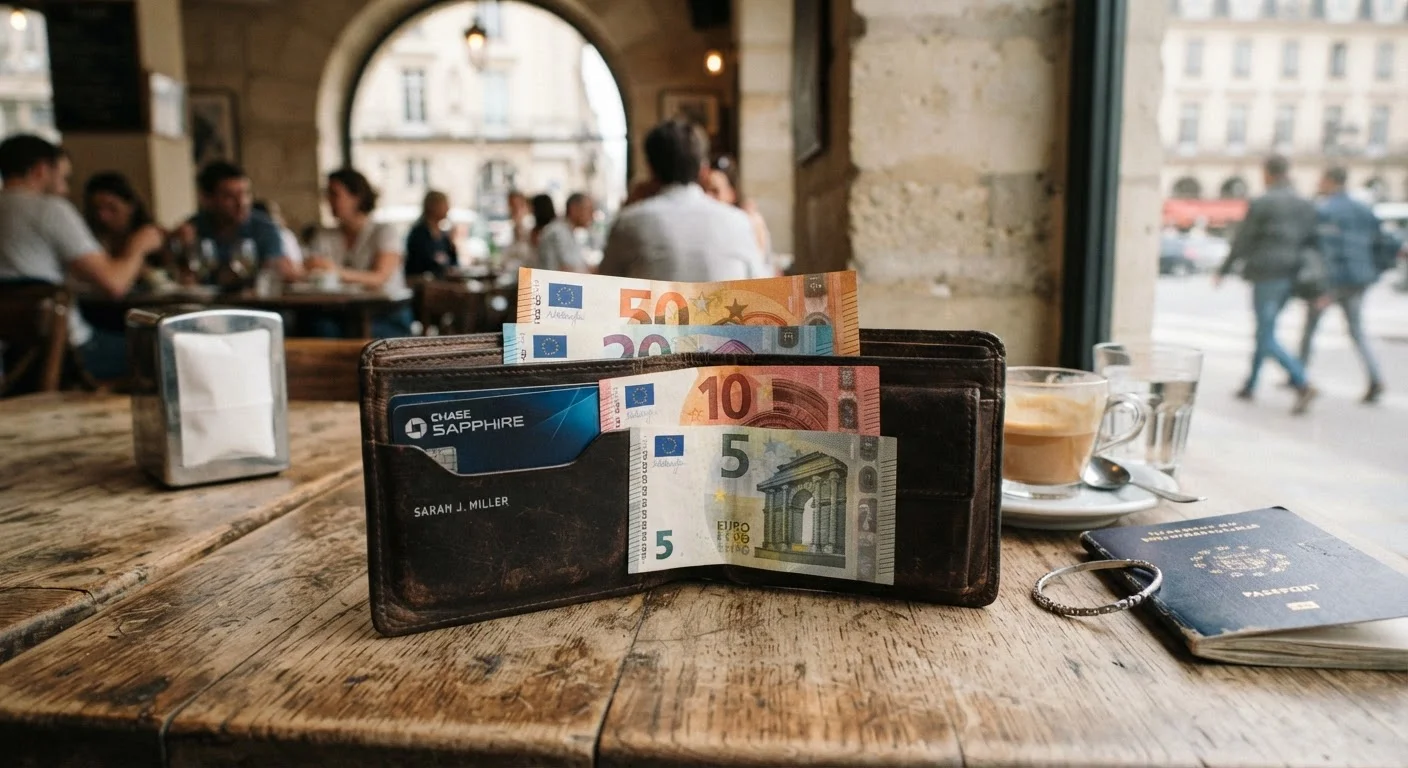
Photo credit: FaqInsider.com
In this article
Foreign transaction fees, exchange rates, and ATM access all affect how you should handle money while traveling. Here's what to know before you go.
Key Takeaways
- Cash is essential in many destinations but carries theft and loss risk with no recovery option.
- Cards offer fraud protection and convenience but may carry foreign transaction and ATM fees.
- Dynamic currency conversion at payment terminals can quietly cost you more - always pay in local currency.
- A hybrid approach - some cash, one fee-friendly card - tends to work best for most international trips.
- Always notify your bank before departure and confirm your card's international fee structure.
The Core Trade-Off: Control vs. Convenience
When you travel internationally, how you carry and spend money shapes your experience in ways that aren't always obvious until something goes wrong. Cash and cards each solve different problems - and create different risks.
Cash gives you immediate, universal purchasing power. It works when the internet is down, when a vendor doesn't own a card reader, and when you're haggling at a street market where exact change matters. The downside is equally concrete: if it's lost or stolen, it's gone for good. There's no dispute process, no fraud team, no refund.
Cards, on the other hand, offer a safety net. Most major card networks provide zero-liability fraud protection, meaning unauthorized charges can typically be reversed. Cards also create a transaction record useful for budgeting and expense tracking. The catch is that not all cards are created equal - many charge foreign transaction fees (commonly 1-3% per purchase) and currency conversion markups that quietly erode your budget. As detailed in our guide to currency exchange fees, these charges can add up faster than travelers expect.
| Criterion | Carrying Cash | Using Cards Abroad |
|---|---|---|
| Acceptance | Universal, including small vendors | Varies by destination and vendor |
| Fraud protection | None - loss is permanent | Zero-liability protection typical |
| Exchange rate quality | Depends heavily on exchange source | Often near-interbank with right card |
| Fees | Exchange spread, kiosk markup | Foreign transaction fee, ATM fees |
| Emergency usability | Works without connectivity | Requires working network and reader |
| Transaction record | None by default | Automatic and detailed |
| Risk if lost or stolen | Unrecoverable | Card can be cancelled and replaced |
What the Fees Actually Look Like
Understanding the fee landscape is essential before choosing your payment strategy. With cash, the cost hits at the point of exchange - whether that's an airport kiosk (typically the worst rate), a bank branch, or an ATM abroad. Airport exchange desks frequently apply wide spreads between the buy and sell rate, effectively charging a hidden fee of 5-10% or more.
With cards, the costs are less visible but just as real. A foreign transaction fee of 3% on a $2,000 trip adds $60 you didn't plan for. ATM withdrawal fees - both from your home bank and the foreign ATM operator - can stack up to $5-$10 per transaction. And then there's dynamic currency conversion (DCC): when a terminal asks if you want to pay in your home currency instead of the local one, saying yes typically locks in a worse rate set by the merchant. Always choose to pay in the local currency.
1-3%
Typical foreign transaction fee per purchase
Many standard bank-issued cards apply a foreign transaction fee on every international purchase, per general card fee disclosures from major U.S. financial institutions.
5-10%
Typical markup at airport currency kiosks
Airport and hotel currency exchange desks commonly apply exchange rate spreads well above the interbank rate, according to general consumer finance guidance from travel financial advisers.
$5-$10
Stacked ATM fees per withdrawal abroad
Out-of-network international ATM withdrawals often incur fees from both the home bank and the foreign ATM operator, per widely published consumer banking disclosures.
These hidden costs are part of a broader pattern explored in our article on hidden costs that blow travel budgets.
Practical Situations Where Each Shines
The destination you're visiting often dictates which approach makes more sense. In many parts of Southeast Asia, Central America, and sub-Saharan Africa, cash remains king - especially outside major tourist corridors. Tuk-tuks, family-run guesthouses, street food vendors, and rural markets typically don't accept cards. Arriving without local currency can mean higher prices, ATM hunts, or missed opportunities.
By contrast, in Western Europe, Australia, Canada, Japan, and urban hubs globally, card acceptance is widespread and reliable. Contactless payment is increasingly the norm, and carrying large amounts of cash may actually introduce unnecessary risk.
A middle-ground strategy that many experienced travelers rely on: withdraw a modest amount of local cash upon arrival (using an in-network ATM, not an airport kiosk), keep it for small daily purchases and tips, and lean on a fee-friendly card for hotels, restaurants, and larger expenses. This hybrid approach limits both risk and fees. For a step-by-step framework to organize your finances before departure, see our pre-trip financial checklist.
Dynamic Currency Conversion: Always Decline
When a foreign ATM or payment terminal asks whether you'd like to pay in your home currency (USD), it sounds convenient - but the exchange rate applied is set by the merchant or ATM operator, not your bank. This almost always results in a worse rate than simply paying in local currency and letting your card handle the conversion. Make it a habit: always select the local currency option.
Setting Yourself Up Before You Leave
Preparation makes the biggest difference. Before departure, contact your bank or card issuer to confirm your card works internationally, understand exactly what fees apply, and place a travel notification so your account isn't flagged for fraud. Check whether your card has a foreign transaction fee - if it does, consider whether a fee-free alternative is worth having for this trip.
Research ATM availability at your destination. In some countries, reliable ATMs are concentrated in city centers; in others, access is genuinely limited. Knowing this in advance lets you plan how much cash to carry from the start rather than scrambling on arrival.
Also consider how local purchasing power affects your planning. In some destinations, your dollar stretches considerably further - a dynamic explained in detail in our piece on purchasing power abroad. When everyday costs are lower, small card fees become proportionally more painful relative to your total spend - another reason to minimize them wherever possible.
Finally, never rely on a single payment method. Carry at least one backup card stored separately from your primary wallet, and keep a small emergency cash reserve. Technology and networks fail; having a fallback is simply good travel practice.
This article provides general travel and financial information for educational purposes only and is not personalized financial advice. Verify all fees, terms, and international card policies directly with your financial institution before traveling.

Author
Travel Editorial Team
Travel Editorial Team is the collective byline for our editorial team and contributor network. Articles published under this byline or an editorial pen name are researched, written, and reviewed according to our editorial standards for clarity, consistency, and independence before publication.
View all articles →