
International Trip Planning: From Destination Choice to Day-One Arrival
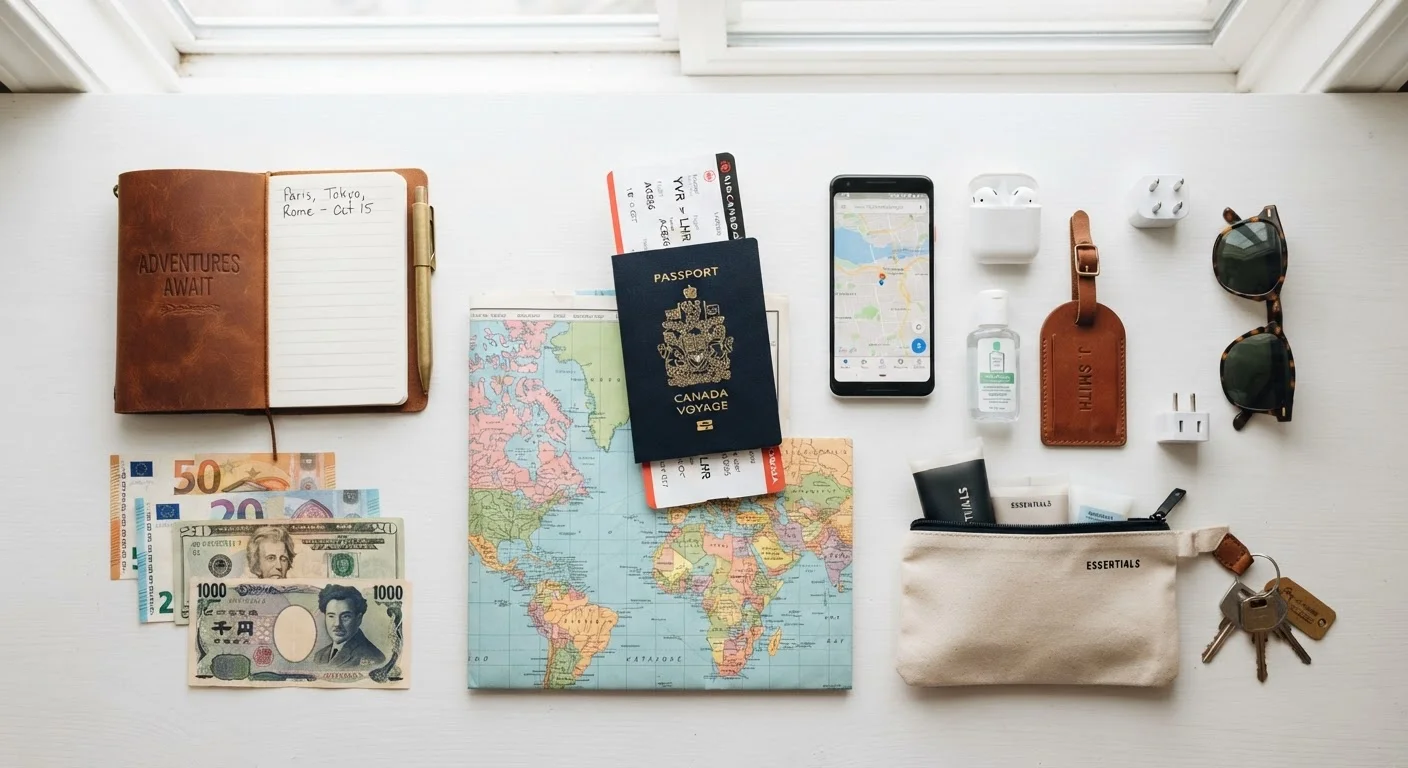
Photo credit: FaqInsider.com
In this article
A comprehensive walkthrough of every stage of international trip planning—research, documents, bookings, packing, and arrival prep.
Key Takeaways
- Start destination research at least 3-6 months before departure to allow time for visas and vaccinations.
- Verify entry requirements-passport validity, visas, and health documentation-directly with official government sources.
- Build a realistic budget that accounts for hidden costs like airport transfers, visa fees, and travel insurance.
- A solid day-one arrival plan reduces jet lag impact and prevents avoidable logistical headaches.
- Travel insurance is a practical safeguard, not an optional add-on, for international trips.
Choosing Your Destination Wisely
Before you book a single thing, destination selection deserves genuine thought. The most satisfying international trips tend to align travel goals with realistic constraints - not just wishlist impulses. Ask yourself: What do I most want from this trip? Culture, nature, cuisine, adventure? Then layer in practical filters: trip length, your passport's travel power, current travel advisories from the U.S. Department of State, and the destination's seasonal weather.
Seasonality matters more than many first-time international travelers expect. High tourist season often means higher costs and crowds; shoulder seasons frequently offer better value and a more authentic experience. Cross-reference the climate with your dates before committing.
Planning an international trip involves distinct layers that domestic travel simply doesn't require - factor these in from the very first decision. If your itinerary spans multiple countries or cities, see our framework for planning multi-city trips before you finalize a route.
When evaluating a destination, check the U.S. State Department's travel advisory level first - it takes 60 seconds and immediately clarifies whether your timing is sound.
Travel advisories are updated regularly based on safety, political, and health conditions and are the most authoritative free resource available to U.S. travelers.
Book your flight before your accommodation - availability on your preferred travel dates should confirm before you lock in non-refundable lodging.
Flight schedules, especially for international routes, can limit or shift your dates in ways that make pre-booked accommodation inflexible and costly to change.
Documents, Visas, and Entry Requirements
Documentation is the backbone of international travel, and errors here can ground a trip before it begins. Start with your passport: most countries require it to be valid for at least six months beyond your planned return date. If yours is close to expiring, renew early - processing times can stretch.
Visa requirements vary significantly by destination and your citizenship. Some countries offer visa-free entry for U.S. passport holders; others require an e-visa applied for online in advance; still others require an in-person consular appointment weeks or months ahead. Always verify current requirements directly through the destination country's official embassy or consulate website, and cross-reference with the U.S. Department of State's travel pages.
Keep digital and physical copies of your passport, visa approvals, travel insurance, and emergency contacts. Store copies separately from originals. Our comprehensive pre-departure checklist covers documentation alongside vaccinations and insurance in full detail.
Passport Validity: Check Before You Book
Many countries require your passport to be valid for at least six months beyond your return date - not just your departure date. Booking flights first and discovering your passport is too close to expiry can create significant problems. Check your passport expiration date before you purchase anything, and allow 8-12 weeks for renewal if needed, as processing times vary.
Building Your Budget
International budgets surprise travelers most often in categories they didn't anticipate. Beyond flights and hotels, factor in: visa application fees, airport transfers at both ends, travel insurance premiums, daily meals and ground transport, entrance fees to sites, and a contingency buffer of roughly 10-15% for unexpected costs.
Research the local cost of living at your destination - a day in Tokyo and a day in rural Portugal can look dramatically different on a budget. Currency exchange fees add up; research whether your bank card charges foreign transaction fees and plan accordingly. This is general financial planning information - consult your financial institution for specifics relevant to your accounts.
For readers aiming to stretch their dollars further, the Travel on a Budget hub offers honest guidance on reducing costs without sacrificing the experience.
6-8 weeks
Recommended advance notice for travel health consultation
The U.S. CDC advises travelers to see a travel medicine provider at least 4-6 weeks before departure, though earlier is better for destinations requiring vaccine series.
~10-15%
Suggested contingency buffer on total trip budget
Travel planning professionals commonly recommend setting aside a contingency reserve to absorb unexpected costs like flight changes, medical needs, or unplanned transport.
Booking Flights and Accommodation
Flight timing and accommodation type shape the entire trip experience. For most international routes, booking 2-4 months out offers a reasonable balance of availability and price - though this varies by route and season. Flexible travel dates, even by one or two days, can make a noticeable difference in what you find available.
When evaluating accommodation, consider location relative to your planned activities, cancellation policy flexibility, and whether the neighborhood suits your comfort level. City-center options reduce transportation costs; outer neighborhoods may offer quieter surroundings and different value propositions. Read recent reviews with attention to safety comments and proximity to transit.
Long-haul flights often involve connections and layovers. Build in generous connection time - especially at unfamiliar international airports - to avoid the stress of tight transfers. Confirm baggage allowances early; international routes have varying policies and fees.
Health Prep and Travel Insurance
Health preparation for international travel is highly destination-dependent. Some regions require proof of specific vaccinations for entry; others simply recommend them. The U.S. Centers for Disease Control and Prevention (CDC) maintains destination-specific health recommendations that are a reliable starting point. Consult a healthcare provider or travel medicine clinic well in advance - ideally 6-8 weeks before departure - since some vaccine series require multiple doses over time.
Carry any prescription medications in original labeled containers with enough supply for your full trip plus a few extra days. Research whether any medications you take are restricted in your destination country. This information is general and educational; always consult a qualified healthcare provider about your personal health needs before traveling internationally.
Travel insurance is a practical safeguard that covers trip cancellation, medical evacuation, emergency medical costs abroad, and lost baggage. Policies vary widely - read coverage terms carefully before purchasing. The Safe & Healthy Travel hub has essential guidance on staying prepared throughout your journey.
Packing and Day-One Arrival Strategy
Pack with your itinerary in mind, not worst-case scenarios. A well-curated bag - whether carry-on or checked - reduces friction at every stage. Lay out what you plan to pack, then edit down by 20%. Versatile clothing layers, comfortable walking footwear, and a compact day bag handle the vast majority of international travel situations.
Day-one arrival deserves its own plan. Know in advance how you'll get from the airport to your accommodation - airport train, bus, or pre-arranged transfer. Have your accommodation address written in the local language if traveling somewhere with a non-Latin alphabet. Carry small amounts of local currency for immediate needs; ATMs at international airports are generally reliable but fees vary.
Jet lag is real on long-haul trips. Arriving in the evening and sleeping on local time, staying hydrated, and getting brief outdoor exposure the next morning are commonly cited strategies for adjustment - though individual responses vary. Give yourself a lighter day-one itinerary to ease in.
Whether this is your first international trip or your twentieth, consistent habits make the difference. See trip-planning habits that hold up across any destination for approaches that reduce stress no matter where you're headed. First-time international travelers will also benefit from our guide to planning your first solo trip abroad.
Prep a Simple Day-One Info Sheet
Before departure, create a single document - digital and printed - listing your accommodation address in both English and the local language, airport-to-hotel transport instructions, your travel insurance emergency number, and a local emergency contact. This single page handles the most common day-one friction points and takes under 15 minutes to prepare.

Author
Travel Editorial Team
Travel Editorial Team is the collective byline for our editorial team and contributor network. Articles published under this byline or an editorial pen name are researched, written, and reviewed according to our editorial standards for clarity, consistency, and independence before publication.
View all articles →