
The Hidden Costs That Quietly Blow Travel Budgets
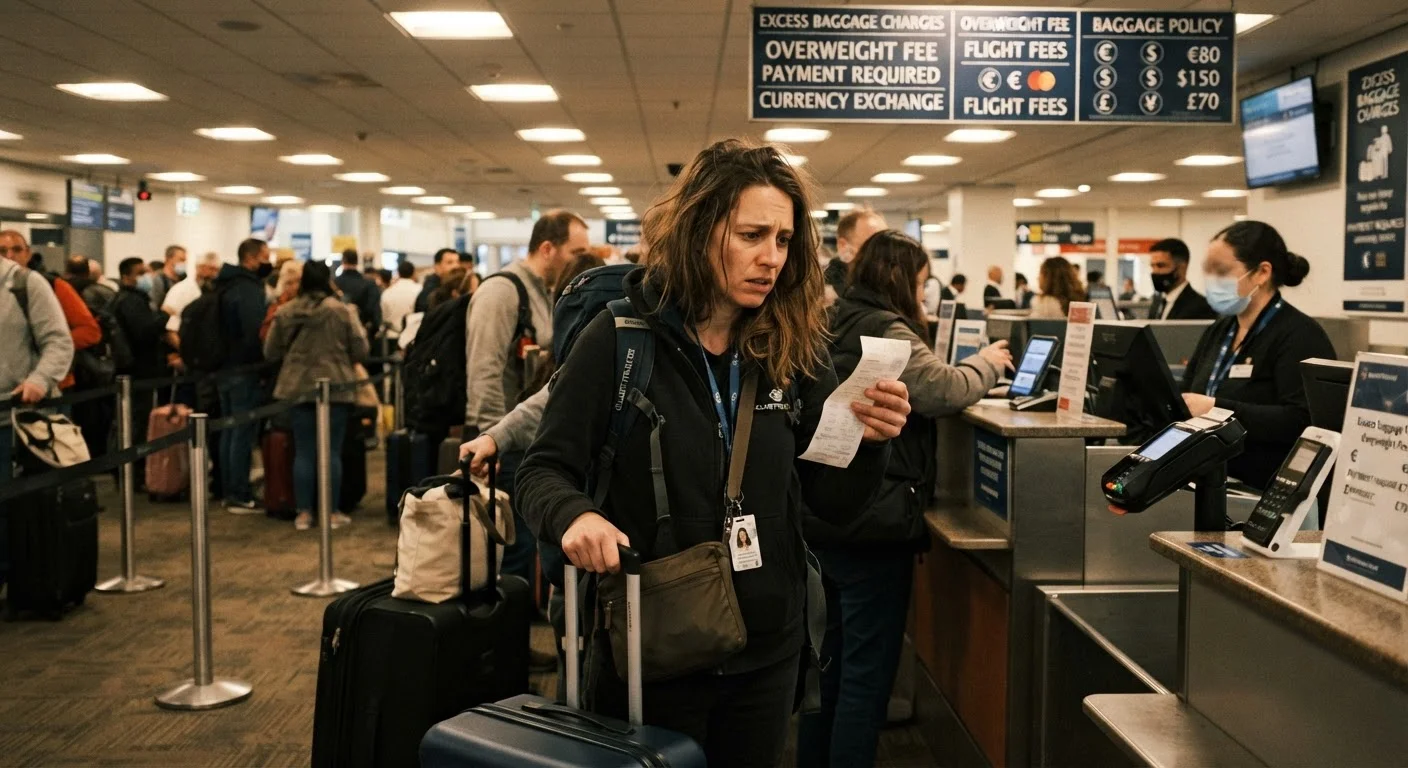
Photo credit: FaqInsider.com
Resort fees, luggage charges, tipping norms, and currency conversion losses add up fast. Know what to expect before you go.
Key Takeaways
- Resort fees, baggage charges, and tipping norms can add hundreds of dollars to any trip.
- Dynamic currency conversion at foreign terminals quietly costs travelers more than they realize.
- Airport ATM withdrawals often carry the steepest fees - planning cash needs in advance helps.
- Booking a cheap flight can backfire when hidden add-ons exceed the savings.
- A contingency fund of 10-15% of your total budget helps absorb unexpected costs.
The Costs Nobody Warns You About
You've compared flights, locked in a hotel rate, and mapped out your daily spending. Then you arrive - and the bill is nothing like what you planned. It's one of the most common travel frustrations, and it's almost never the result of reckless spending. It's the result of hidden costs that weren't visible when you booked.
These charges aren't random. They follow predictable patterns: fees tacked on at checkout, exchange rate markups embedded in transactions, and local norms around tipping that catch visitors off guard. Understanding them in advance is the simplest way to protect your budget. For a broader framework on how to structure travel spending from the start, see The Real Logic Behind Travel Budgeting.
Resort and Destination Fees
Many hotels - particularly in Las Vegas, Miami, and other resort-heavy destinations - charge a mandatory daily "resort fee" or "destination fee" on top of the room rate. These fees, which can run $30-$60 per night, cover amenities like pool access, gym use, or Wi-Fi that guests may assume are included. The fee typically doesn't appear in the base rate shown on booking platforms, so a $120/night room can quietly become a $175/night stay after fees and taxes. Always check the hotel's direct booking page for the full nightly total before confirming.
A $120/night room can quietly become $175 once mandatory resort fees are added.
Airline Baggage and Seat Selection Charges
Budget carriers have made à la carte pricing standard, but legacy airlines have followed. Checked baggage fees commonly range from $30-$40 per bag each way, and preferred seat selection - including standard seats with extra legroom - can add another $15-$60 per leg. A family of four on a round trip can spend $300-$500 in add-ons before they've left the gate. Factor these into any flight comparison rather than comparing base fares alone. The real cost of budget travel breaks down exactly this kind of fee creep.
Comparing base fares without baggage costs gives a misleading picture of what a flight actually costs.
Dynamic Currency Conversion
When you use a credit or debit card abroad, a merchant or ATM may offer to charge you in your home currency instead of the local one - this is called dynamic currency conversion (DCC). It sounds convenient, but the exchange rate applied is set by the merchant, not your bank, and is almost always less favorable. Travelers who accept DCC can pay 3-8% more per transaction without realizing it. Always choose to be charged in the local currency, and let your bank handle the conversion. For a full breakdown of how money exchange works while traveling, see Carrying Cash vs. Using Cards Abroad.
Choosing your home currency at a foreign terminal can cost 3-8% more per transaction.
Airport and Hotel ATM Fees
Withdrawing cash at an airport ATM is convenient - and expensive. Between the ATM operator's flat fee, your bank's foreign transaction fee, and the exchange rate markup, a single withdrawal can cost $8-$15 in fees regardless of the amount. Airport ATMs consistently charge more than ATMs inside local bank branches in the destination city. Planning your cash needs before departure and withdrawing larger amounts less frequently can reduce the per-dollar cost of accessing cash abroad. Where budget travelers consistently lose money covers this and other predictable money drains.
A single airport ATM withdrawal can cost $8-$15 in combined fees before you've left arrivals.
Local Tipping Norms
Tipping expectations vary dramatically by destination - and misreading them costs money in both directions. In the U.S., tipping 18-22% at restaurants and $1-$2 per drink at bars is a baseline expectation, and skipping it affects service workers who rely on tips as part of their income. In many European and Asian countries, tipping is not customary, and a small gratuity (or none at all) is appropriate. Getting this wrong either means underpaying people who depend on tips or tipping in places where it creates confusion. Research the conventions for each country you're visiting as part of your pre-trip preparation.
Tipping norms differ sharply by country - research them before arrival to avoid awkward missteps.
Transportation Surcharges
Ride-hailing apps apply surge pricing during peak hours, major events, and poor weather. Airport pickups often carry a flat surcharge on top of the metered fare. Train and bus tickets can jump significantly in price when booked last-minute versus in advance. These costs are real but largely avoidable with a bit of timing awareness. Build ground transportation as a specific line item in your budget rather than treating it as a rounding error - in expensive cities, it rarely is. For a structured approach to trip spending, find out why trip budgets consistently run over.
Ground transportation is rarely a rounding error - in busy cities, it deserves its own budget line.
Build the Full Picture Before You Go
The goal isn't to eliminate every surprise - some spontaneity is part of travel. The goal is to not be blindsided by costs that were entirely predictable. Once you know where the leaks typically appear, you can account for them in your planning rather than absorbing them as damage.
Build a 10-15% Buffer Into Every Trip
No matter how carefully you plan, unexpected costs appear. A standard practice among experienced travelers is setting aside 10-15% of the total estimated trip cost as a contingency fund. This isn't money you plan to spend - it's insurance against the fees, surcharges, and surprises that rarely appear in initial estimates. If you don't use it, it comes home with you.
For more on how overlooked spending categories quietly drain travel funds, find out why travel budgets run out before the trip ends. And if you're navigating cash versus cards abroad, this guide to using cash and cards internationally covers what every traveler should know before departure.

Author
Travel Editorial Team
Travel Editorial Team is the collective byline for our editorial team and contributor network. Articles published under this byline or an editorial pen name are researched, written, and reviewed according to our editorial standards for clarity, consistency, and independence before publication.
View all articles →