How to Navigate a Skid Without Making It Worse
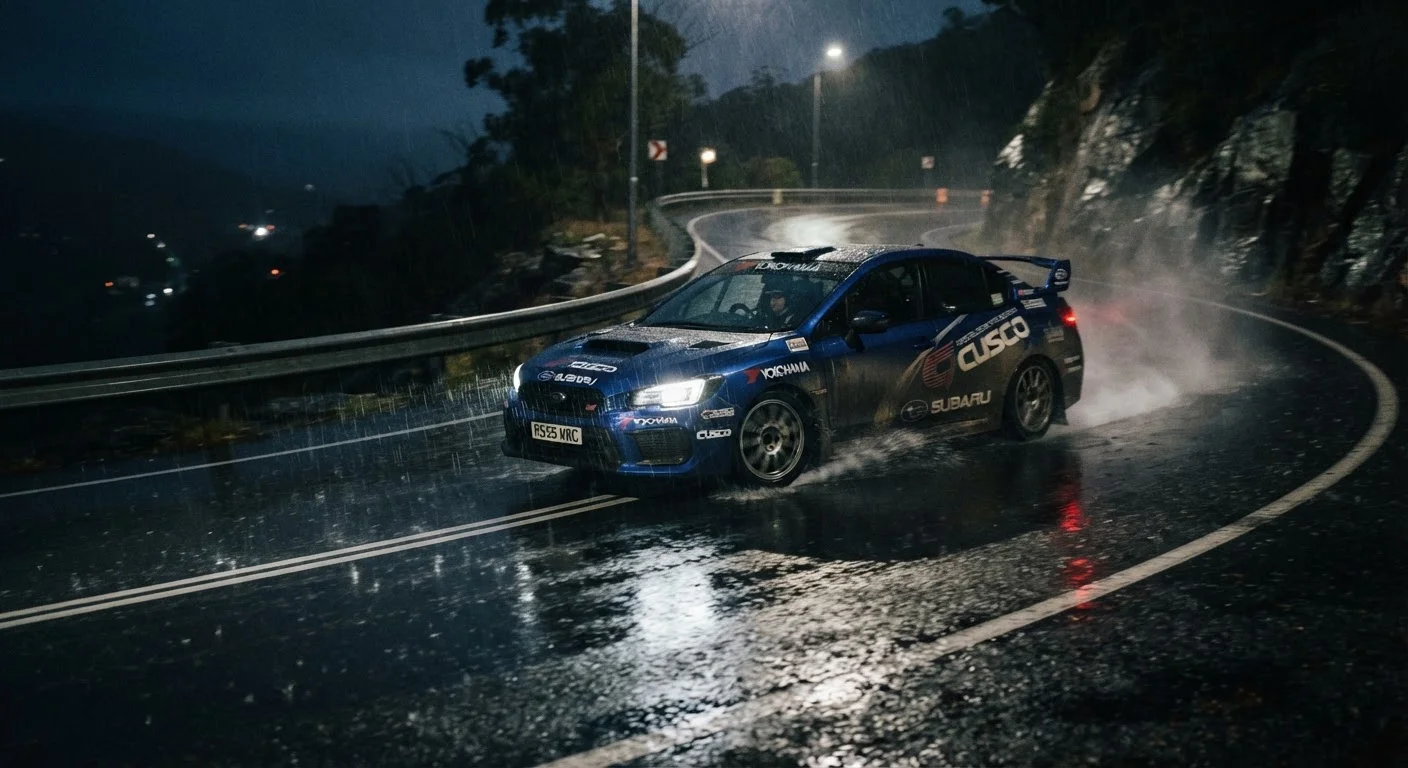
Photo credit: FaqInsider.com
In this article
Sudden skids catch most drivers off guard. Learn the correct responses for front-wheel and rear-wheel skids before you ever need them.
Key Takeaways
- Understeer and oversteer are distinct skid types requiring different driver responses.
- The most common mistake during a skid is overcorrecting the steering or stabbing the brakes.
- Look and steer toward where you want to go - this is the core principle of skid recovery.
- Properly inflated tires and reduced speed in poor conditions significantly reduce skid risk.
- Mentally rehearsing skid response before an emergency can improve real-world reaction time.
Why Skids Happen - and Why Instinct Often Backfires
A skid occurs when a tire's grip on the road surface is overwhelmed - by excess speed, abrupt steering, hard braking, or slippery conditions such as rain, ice, or loose gravel. At that point, the tire is no longer rolling cleanly; it is sliding. And a sliding tire steers poorly, brakes poorly, and accelerates poorly.
The problem is that the human brain does not naturally respond well to this situation. Most drivers instinctively brake hard or jerk the wheel - both of which reduce tire grip further and often turn a manageable skid into a spin or collision. Understanding what is physically happening during a skid is the first step toward responding correctly.
Your drivetrain type matters, too. Front-wheel-drive vehicles are more prone to understeer; rear-wheel-drive vehicles are more susceptible to oversteer. All-wheel-drive vehicles distribute power differently but are not immune to skids, particularly in cornering situations where physics still governs tire grip.
For a broader look at how to build emergency-ready driving habits, see the comprehensive guide to safe driving habits that covers evidence-backed practices across all experience levels.
What you will need
What to Do - Step by Step
The steps below outline the correct physical responses for both major skid types. Read through them now, before you ever need them. Mental rehearsal of emergency responses is a documented technique used in driver training programs and can meaningfully reduce panic-induced errors in real situations.
Stay calm and ease off the accelerator
The moment you feel traction begin to break away, resist the instinct to panic. Sudden, sharp inputs - whether to the steering wheel, brake, or accelerator - almost always make a skid worse. Smoothly lift your foot off the gas to reduce wheel torque and allow the tires to begin regaining grip.
Identify whether you are understeering or oversteering
Understeer (also called a front-wheel skid) happens when the front tires lose grip and the car continues straight even though you are turning the wheel. This is most common in front-wheel-drive vehicles. Oversteer (rear-wheel skid) happens when the rear of the car swings out, causing the car to rotate. This is more common in rear-wheel-drive vehicles and can happen in any car under hard cornering. Identifying which type you are experiencing determines everything about your next move.
Respond correctly to an understeer skid
If the front end is pushing wide (understeer), do not crank the wheel further in the same direction - the tires already have no grip to respond to. Instead:
- Ease off the accelerator smoothly.
- Straighten the steering wheel slightly to allow the front tires to roll rather than scrub sideways.
- Once you feel grip returning, gently steer in the direction you want to go.
- Apply brakes only gently if needed - hard braking can eliminate any remaining grip.
Respond correctly to an oversteer skid
If the rear is stepping out (oversteer), the car is beginning to rotate and a spin is possible if you do not act quickly. Counter-steer by turning the wheel in the direction the rear is sliding - this is sometimes called 'steering into the skid.' For example, if the rear slides right, steer right. Avoid braking while counter-steering unless your vehicle has ABS and the situation demands it. On manual-transmission vehicles, do not dip the clutch abruptly, as that can cause the rear to snap back suddenly.
Look where you want the car to go
Throughout any skid recovery, keep your eyes focused on the clear space ahead - not on the wall, barrier, or hazard you are trying to avoid. Your hands will instinctively follow your eyes. This principle, sometimes called target fixation avoidance, is central to advanced driver training and is one of the most effective and immediately applicable tools during an emergency.
Regain full control and safely reduce speed
Once the car is tracking straight and you feel normal steering response return, gently reduce your speed to a safe level for the conditions. Do not immediately accelerate back to your previous speed. Assess what caused the skid - excess speed, a slippery surface, or abrupt steering - and adjust your driving accordingly for the rest of the journey.
Practice in a Safe Environment First
Reading about skid recovery is valuable, but muscle memory is built through experience. If possible, seek out a controlled skid-pad session or a winter driving course offered by a reputable driving school. Attempting to practice skid recovery on a public road is dangerous and illegal in many jurisdictions.
Your vehicle's condition also plays a large role in whether a skid is recoverable. Worn tires, mismatched tire pressures, and poorly maintained suspension all reduce the margin of error. Our pre-trip safety walkthrough is a practical way to catch issues before they become emergencies.
Use the 'Eyes Lead the Car' Technique
Where your eyes go, your hands tend to follow. During a skid, drivers who fixate on the hazard they want to avoid often steer directly into it. Actively shift your gaze to the space where you want the car to end up. This is a well-established principle in advanced driver training programs.
Prevention: The Best Skid Recovery Is Not Needing One
Skid recovery skills are valuable, but skid avoidance is always preferable. The conditions that cause skids are often predictable: wet or icy roads, high speed through curves, and abrupt control inputs. Managing these factors proactively keeps you well within the limits of your tires' grip.
- Reduce speed well before curves and corners, not during them. Braking while turning divides the available traction between two demands simultaneously.
- Increase following distance in wet or cold conditions. This gives you more time to slow gradually rather than brake hard.
- Check tire condition and pressure regularly. Tires are the only point of contact between your vehicle and the road. See our article on maintenance tasks you can safely do yourself for guidance on what you can reasonably check at home.
- Be especially cautious in the first minutes of rain, when oil residue mixes with water and road surfaces are at their most slippery.
ABS Does Not Prevent All Skids
Anti-lock braking systems (ABS) help prevent wheel lockup during hard braking, but they do not eliminate the risk of a directional skid. On loose gravel or deep snow, ABS can actually extend stopping distance compared to threshold braking. Always adjust your speed to road conditions regardless of what safety systems your vehicle has.
Low-visibility conditions compound skid risk significantly. For strategies on managing another common high-risk scenario, see our guide to night driving hazards and how experienced drivers manage them.

Author
Cars Editorial Team
Cars Editorial Team is the collective byline for our editorial team and contributor network. Articles published under this byline or an editorial pen name are researched, written, and reviewed according to our editorial standards for clarity, consistency, and independence before publication.
View all articles →