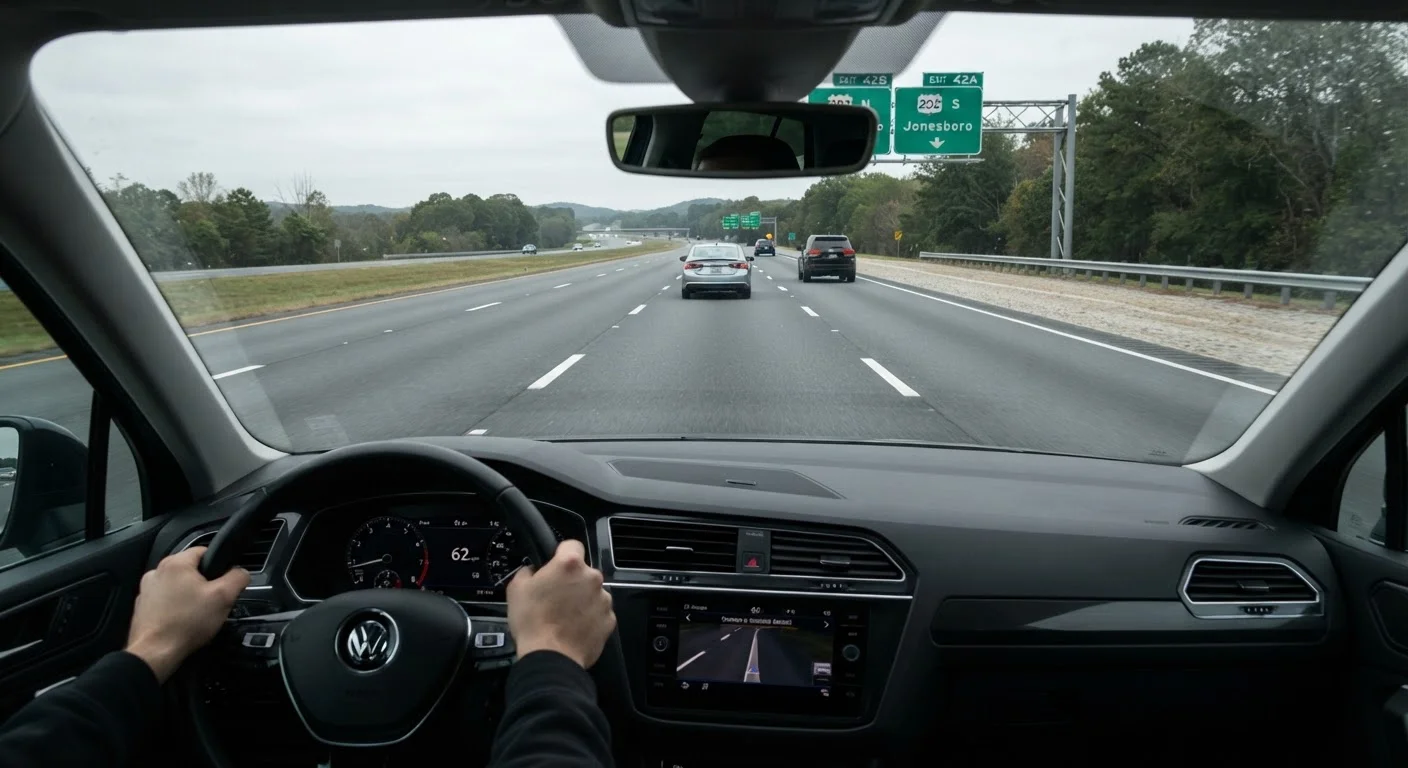
Night Driving Hazards and How Experienced Drivers Manage Them
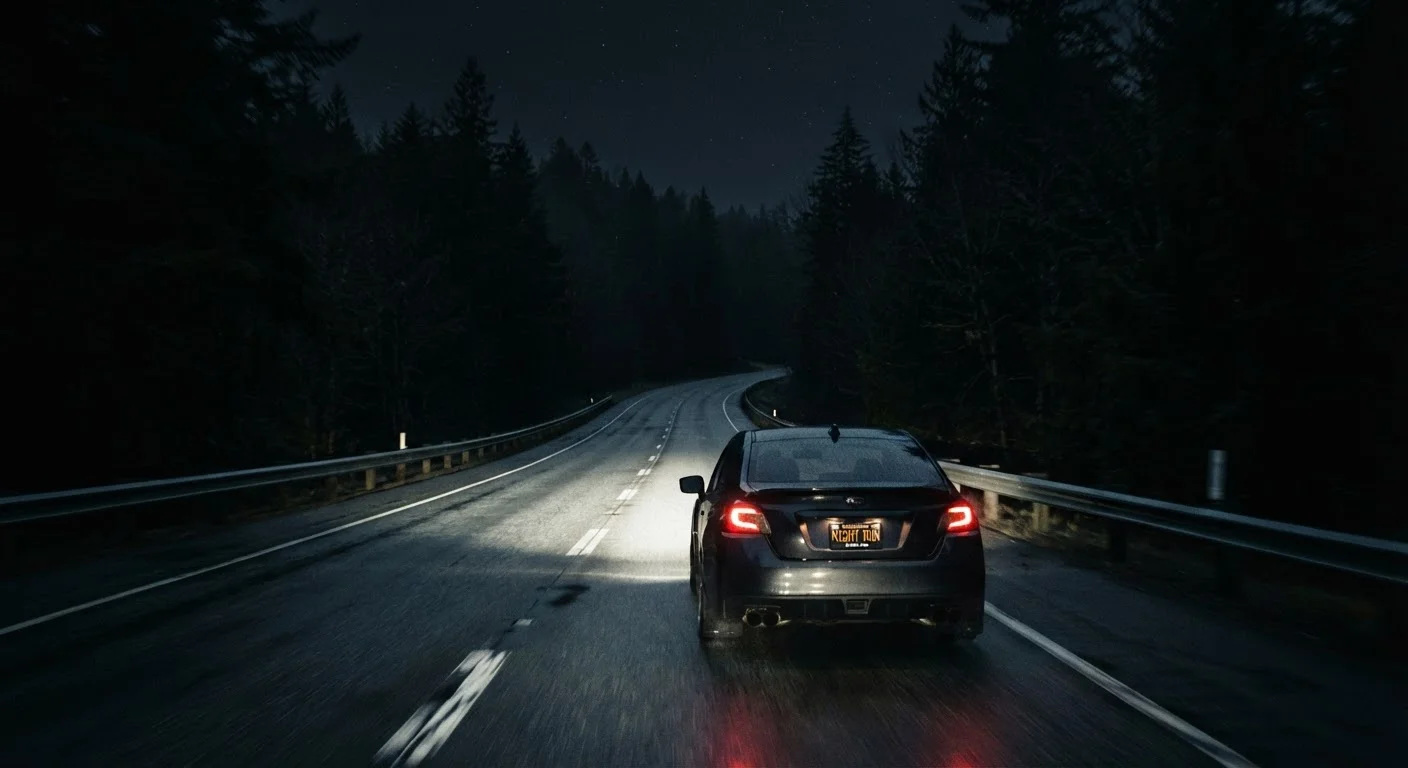
Photo credit: FaqInsider.com
In this article
Visibility drops sharply after dark, and crash risk rises. Understand the specific challenges of night driving and the habits that reduce them.
Key Takeaways
- Fatal crash rates per mile driven are roughly three times higher at night than during daylight hours.
- Standard low-beam headlights illuminate only 160-250 feet ahead, while stopping distances can exceed that at highway speeds.
- Older drivers experience more pronounced night-vision decline due to changes in pupil response and lens clarity.
- Overdriving your headlights - going faster than you can stop within the lit distance - is one of the most common and dangerous night-driving errors.
- Clean headlights, proper aim, and well-adjusted mirrors are vehicle-side habits that meaningfully reduce night-driving risk.
- Fatigue compounds every night-driving hazard; drowsy driving impairs judgment similarly to alcohol impairment.
Why Night Driving Is Genuinely More Dangerous
Darkness doesn't just make driving feel harder - it statistically is harder. The National Highway Traffic Safety Administration (NHTSA) has consistently found that a disproportionate share of fatal crashes occur at night relative to traffic volume. Reduced visibility, compromised depth perception, and narrowed peripheral vision all compound once the sun goes down.
The human eye adapts poorly to low-contrast environments. Headlights create a tunnel of light that the brain must constantly interpret against a dark, detail-poor background. Hazards - pedestrians in dark clothing, debris, animals, unlit cyclists - can appear with little warning. At highway speeds, a driver may have fewer than two seconds to identify and react to an obstacle at the edge of their headlight range.
Fatigue is a critical amplifier. Night hours overlap with the body's natural circadian dip in alertness, making drowsy driving a near-constant risk after dark. Our guide on driver fatigue warning signs covers how to recognize impairment before it takes control. Understanding that these hazards are layered - not isolated - is the foundation of safe night driving.
~3×
Higher fatal crash rate per mile at night vs. day
NHTSA data consistently shows nighttime fatal crash rates are disproportionately high relative to traffic volume during those hours.
160-250 ft
Typical low-beam headlight illumination range
Standard low beams illuminate significantly less road ahead than drivers often assume, especially at highway speeds where stopping distances can exceed this range.
The Headlight Problem: Overdriving Your Lights
One of the most underappreciated dangers of night driving is overdriving your headlights - traveling at a speed where your stopping distance exceeds the distance illuminated ahead of you. Standard low-beam headlights typically project 160-250 feet. At 60 mph, total stopping distance (perception time, reaction time, and braking) can exceed 300 feet. That gap is where serious crashes happen.
Experienced drivers close this gap by reducing speed at night, particularly on rural or unlit roads. High beams, when used appropriately - meaning switched off for oncoming traffic and following vehicles - extend illumination to 350-500 feet and significantly reduce this risk. The rule of thumb: use high beams when no other vehicle is within roughly 500 feet ahead or behind you.
Headlight condition matters too. Oxidized or yellowed headlight lenses can reduce light output substantially. Keeping lenses clean and optically clear is a straightforward maintenance task that pays real safety dividends. For a full vehicle check that covers lights and more, see our pre-trip safety walkthrough.
Proven Practices for Safer Night Driving
Experienced drivers don't just rely on instinct after dark - they apply consistent habits that account for reduced visibility and slower hazard detection. The practices below reflect guidance from traffic safety research and defensive driving principles.
Reduce your speed on unlit or rural roads at night
Lower speed increases the distance your headlights illuminate relative to your stopping distance, giving you more time to react. Speed that feels safe in daylight can be genuinely dangerous after dark on roads without streetlights.
Use high beams strategically - and switch them off promptly for other road users
High beams roughly double effective illumination range, dramatically extending your hazard-detection window. However, leaving them on when approaching or following other vehicles causes dangerous glare for those drivers.
Increase your following distance to at least four seconds at night
Standard three-second following distance assumes normal visibility. At night, hazards ahead of the lead vehicle may cause sudden braking without visual warning to the driver behind, making extra space essential.
Keep your windshield, mirrors, and headlight lenses clean
Dirty glass scatters light, intensifies glare, and reduces contrast - all of which worsen at night. Oxidized headlight lenses can cut light output significantly without the driver noticing gradual decline.
Dim your instrument panel and avoid interior light sources while driving
Bright interior lighting reduces your eyes' adaptation to the dark outside the vehicle, impairing your ability to detect low-contrast hazards. A dim dashboard preserves more of your night-adapted vision.
Scan ahead actively and watch for animals near road edges
At night, animals and pedestrians provide much less visual contrast than in daylight. Active scanning - regularly moving your gaze from road center to margins - catches movement before it becomes an emergency.
Special Considerations: Glare, Intersections, and Aging Eyes
Oncoming headlight glare is one of the most disorienting aspects of night driving. When facing bright lights, shift your gaze to the right edge of the lane rather than looking directly at the source. The painted white line or road edge gives a reliable reference point without triggering the temporary blindness that glare causes.
Intersections demand extra caution at night. Traffic signals are visible, but other cues - pedestrian movement, gap in cross-traffic - are harder to read. Our article on intersection crash dynamics explains why these zones are disproportionately dangerous and how to approach them with appropriate caution regardless of the hour.
Older drivers face compounding challenges at night. Starting around age 40, the pupil's ability to dilate in low light diminishes, and the eye's lens can scatter light more, increasing glare sensitivity. Drivers who notice significant night-vision decline should discuss it with an eye-care professional. Adjusting driving habits - avoiding night driving when possible, choosing well-lit routes, and reducing speed further - can offset some of this physiological change.
For drivers who want a comprehensive view of how vision and reaction time interact behind the wheel, see the science behind reaction time and our overview of safe driving habits across a lifetime.

Author
Cars Editorial Team
Cars Editorial Team is the collective byline for our editorial team and contributor network. Articles published under this byline or an editorial pen name are researched, written, and reviewed according to our editorial standards for clarity, consistency, and independence before publication.
View all articles →