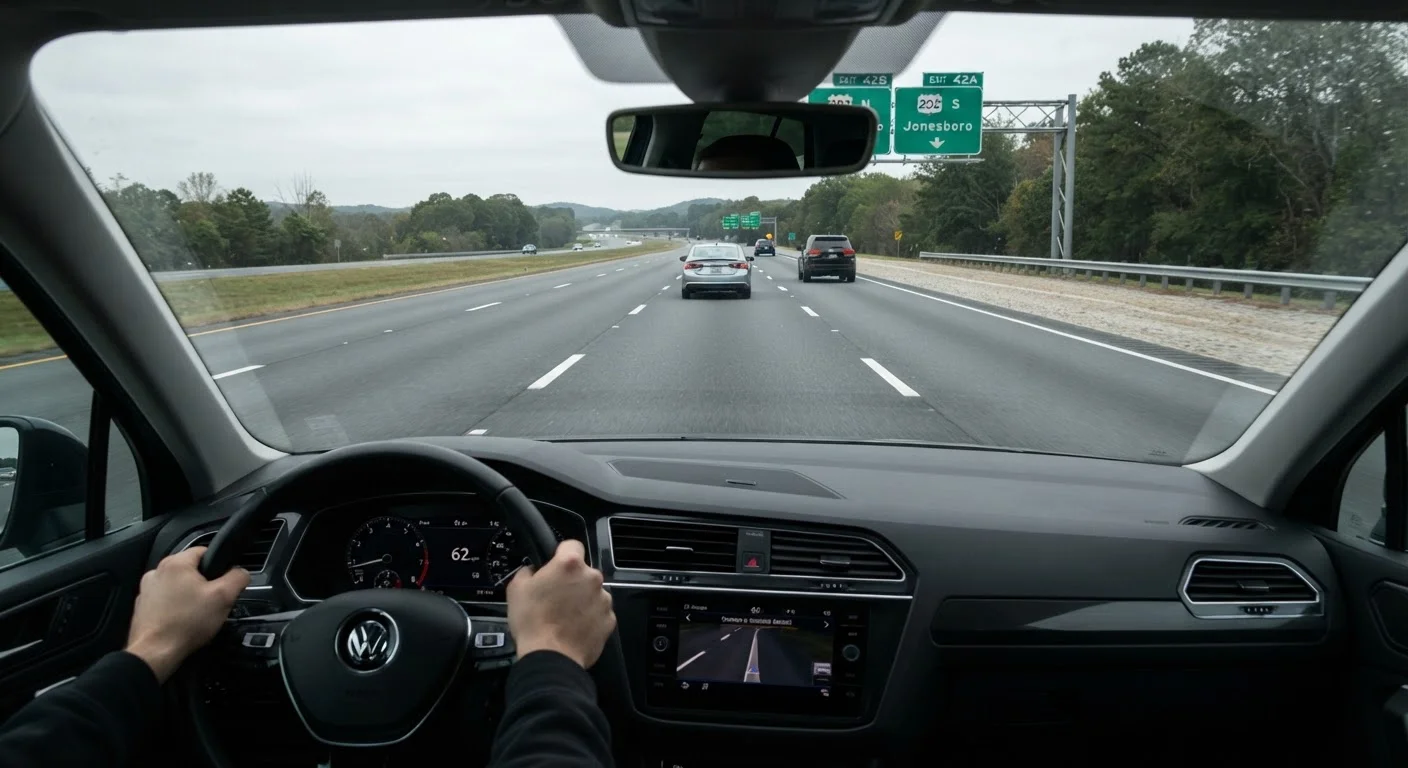
Intersections: Where Most Urban Crashes Happen and Why
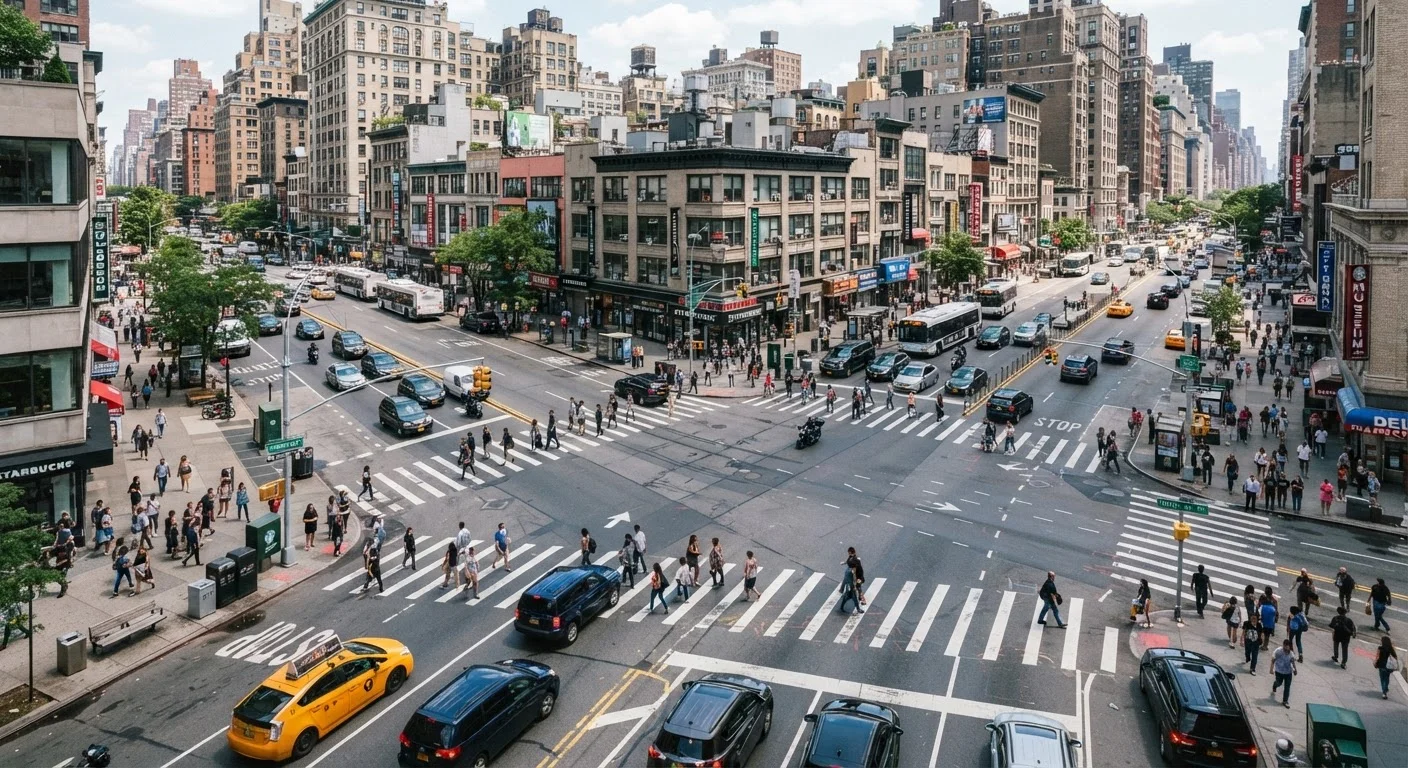
Photo credit: FaqInsider.com
In this article
Nearly half of all U.S. traffic crashes occur at intersections. Understanding the dynamics of these high-risk zones can change how you approach them.
Key Takeaways
- Approximately 40% of all U.S. traffic crashes involve intersections, according to FHWA research.
- Left turns are significantly more dangerous than right turns due to crossing oncoming traffic lanes.
- Driver error - not road design alone - is the leading contributing factor in intersection crashes.
- Red-light running causes hundreds of fatalities every year across the United States.
- Scanning intersections before entering - even on a green light - is a proven crash-prevention habit.
- Distraction, speed, and failure to yield are the three most common driver errors at intersections.
The Numbers Behind Intersection Risk
Intersections represent a small fraction of total road surface yet consistently generate a disproportionate share of traffic crashes. The Federal Highway Administration estimates that roughly 40% of all crashes in the United States are intersection-related. When you narrow the lens to urban environments - denser roads, higher pedestrian volumes, more frequent signal cycles - that share climbs further.
The underlying reason is geometric: an intersection is literally a point where independent streams of moving vehicles, cyclists, and pedestrians are directed into the same space on a timed or negotiated basis. Every approach adds conflict points. A basic four-way intersection has 32 vehicle-to-vehicle conflict points. Add pedestrian crossings and that number grows considerably.
~40%
Of all U.S. crashes are intersection-related
According to Federal Highway Administration research on intersection safety.
32
Vehicle conflict points at a standard four-way intersection
A widely used figure in traffic engineering to illustrate intersection complexity.
Hundreds
Annual U.S. fatalities from red-light running
The Insurance Institute for Highway Safety (IIHS) reports red-light running kills hundreds of people in the U.S. each year.
Understanding this isn't about creating anxiety - it's about calibrating attention appropriately. Most drivers unconsciously relax once they've confirmed a green light, treating the signal as a guarantee of safety rather than a right of way that still demands verification.
The Most Common Causes of Intersection Crashes
Traffic safety research consistently identifies driver behavior - not road engineering alone - as the dominant factor in intersection crashes. The National Highway Traffic Safety Administration (NHTSA) has identified the following as leading contributors:
- Failure to yield: Misjudging another vehicle's speed or gap size, particularly during left turns across oncoming traffic.
- Red-light running: Deliberate or inadvertent failure to stop, causing angle crashes that are among the most severe collision types.
- Distracted driving: Any cognitive or visual distraction during approach reduces the time available to detect and respond to hazards.
- Excessive entry speed: Entering an intersection too fast narrows the reaction window and worsens crash outcomes.
- Obscured sight lines: Parked vehicles, signage, and vegetation can block a driver's view of pedestrians or cross-traffic until they're within striking distance.
Left turns deserve particular attention. Turning left requires judging the speed and distance of oncoming vehicles while also monitoring cross-traffic, signals, and pedestrians - a genuine cognitive load. This is why left turns are associated with a substantially higher crash rate than right turns. Proper mirror positioning can help, but the left-turn challenge is primarily about gap judgment and timing under time pressure.
What Experienced Drivers Do Differently
Experienced, low-crash drivers approach intersections with a set of deliberate habits that become automatic over time. These aren't complex techniques - they're small shifts in where attention is placed and when.
The Pre-Entry Scan: A Two-Second Habit
Before crossing any intersection threshold - even on a green light - take a rapid left-right-left scan of crossing traffic. This habit takes under two seconds and is specifically designed to catch red-light runners and pedestrians stepping into the road. It's one of the most consistently recommended practices in defensive driving curricula across the U.S.
Scanning Before Entering
Rather than fixing gaze on the signal, practiced drivers glance left, right, and left again immediately before entering - even on a green. This catches red-light runners and pedestrians stepping off curbs. The habit takes under two seconds and addresses the most common cause of severe angle crashes.
Covering the Brake
Moving the right foot off the accelerator and hovering it over the brake pedal while approaching a yellow or newly green signal reduces reaction time by a meaningful margin. At urban speeds, shaving even half a second off brake application can translate to several feet of stopping distance.
Adjusting Speed on Approach
Slowing slightly before reaching the intersection - rather than maintaining highway approach speed - gives more time to process a complex visual scene. This is especially valuable at intersections with limited sight lines. Appropriate speed choice isn't just about posted limits; it's about matching speed to visibility and complexity.
Checking Twice Before Left Turns
A double-check of oncoming traffic before initiating a left turn catches vehicles that accelerated since your first look. This is particularly important at dusk and in low-light conditions, where headlights can deceive distance judgment. Night driving compounds these challenges significantly.
Road Design and Technology as Safety Layers
Driver behavior is the largest variable, but road design matters too. Roundabouts are one of the most evidence-supported intersection redesigns in traffic engineering. By eliminating the highest-energy conflict movements - head-on and right-angle crashes - roundabouts have been shown to reduce fatal crashes at converted intersections substantially. Their adoption in American urban planning has grown, though resistance from drivers unfamiliar with yield-on-entry rules remains a barrier.
Pedestrian countdown signals, leading pedestrian intervals (which give walkers a head-start before vehicles get a green), and dedicated left-turn signal phases all reduce conflict by separating movements in time rather than relying on drivers to negotiate gaps. High-visibility crosswalk markings similarly reduce pedestrian crash risk.
Modern vehicles increasingly carry technology designed specifically for intersection scenarios - automatic emergency braking, intersection-collision warning systems, and rear cross-traffic alert. These systems add a detection layer, but they function as a backup, not a replacement for attentive driving. Overconfidence in vehicle safety systems is itself a documented crash contributor.
This article is for general informational purposes only. Always follow local traffic laws and consult official road safety resources for guidance specific to your area.
Frequently Asked Questions

Author
Cars Editorial Team
Cars Editorial Team is the collective byline for our editorial team and contributor network. Articles published under this byline or an editorial pen name are researched, written, and reviewed according to our editorial standards for clarity, consistency, and independence before publication.
View all articles →