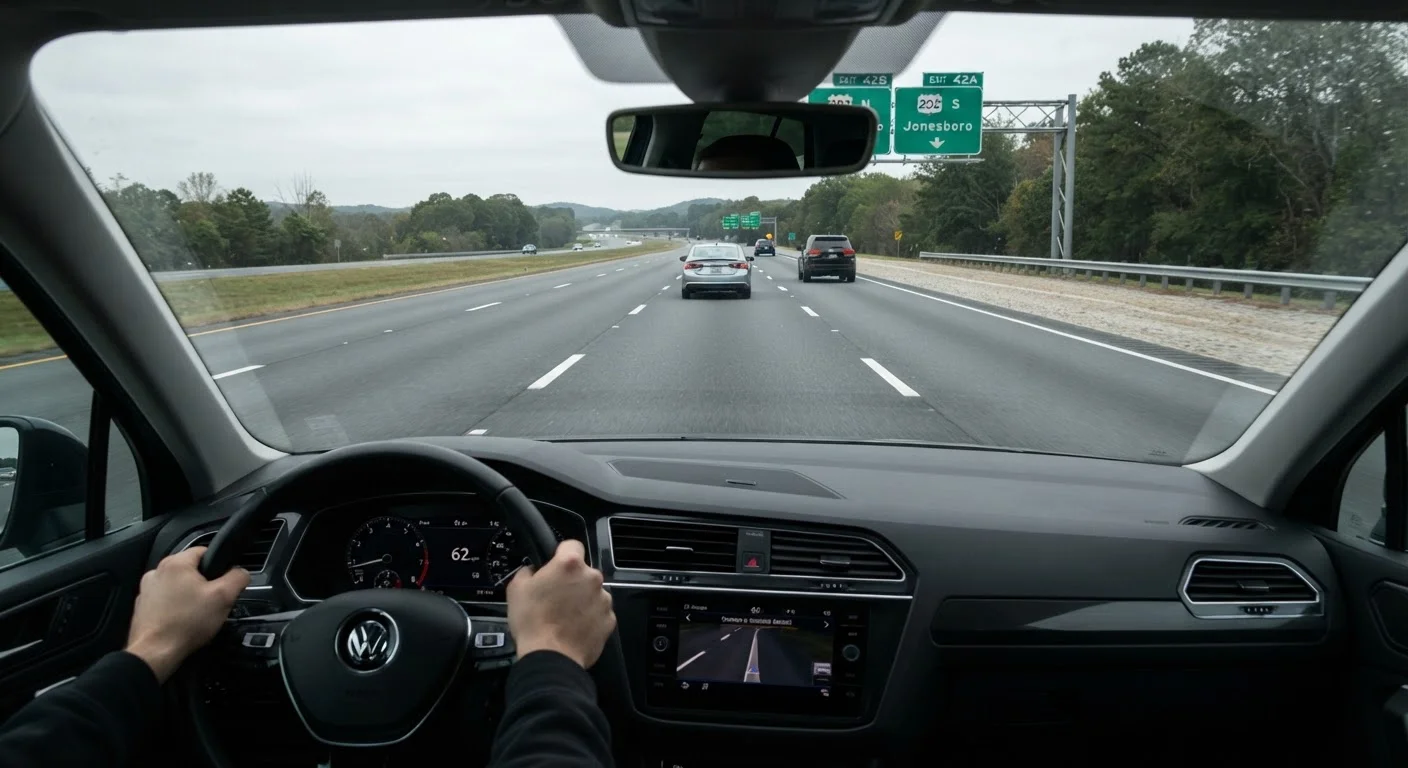
Defensive Driving: What It Actually Means Behind the Wheel
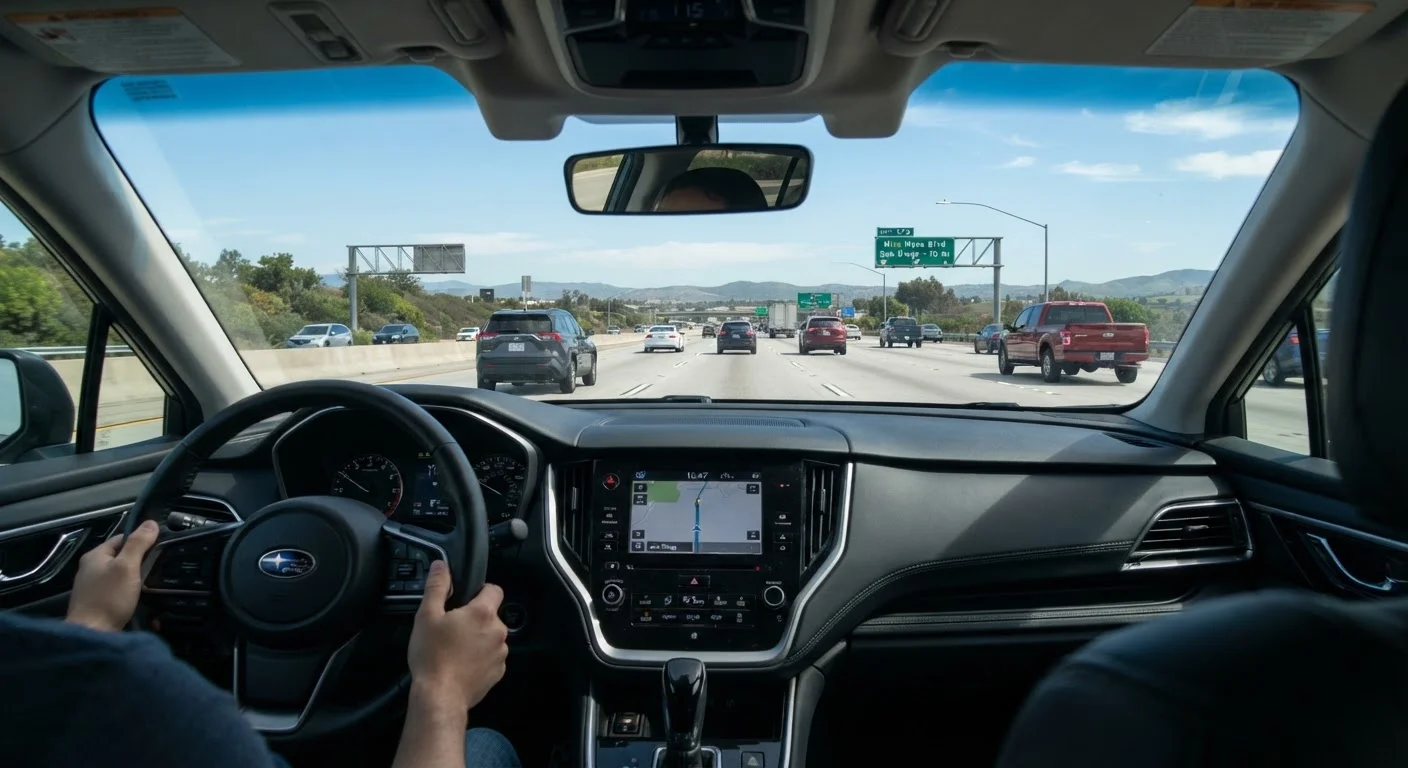
Photo credit: FaqInsider.com
In this article
Defensive driving isn't about being timid—it's a structured approach to anticipating hazards before they become emergencies. Here's how it works.
Key Takeaways
- Defensive driving means anticipating hazards before they require emergency reactions.
- Maintaining a safe following distance is one of the highest-impact habits you can develop.
- Most crashes involve driver error - which means most are preventable with better habits.
- Distraction and fatigue impair driving as significantly as alcohol at certain thresholds.
- Environmental conditions like rain, darkness, and heavy traffic require deliberate adjustments, not just caution.
What Defensive Driving Actually Means
The phrase "defensive driving" gets used loosely - sometimes to mean slow driving, sometimes cautious driving, sometimes just following the rules. None of those definitions are quite right. Defensive driving is a structured mental approach to operating a vehicle in which you assume that other road users may make mistakes and you position yourself to handle those mistakes without a crash.
The distinction matters. A rule-following driver stops at red lights and signals lane changes. A defensive driver does all of that and checks whether the driver approaching the intersection is actually slowing down before proceeding. It's the difference between compliance and anticipation.
Traffic safety researchers consistently find that driver error - not mechanical failure or road conditions alone - is the primary factor in the vast majority of crashes. That finding is useful because it means the behavior is largely changeable. Evidence-backed safe driving habits can reduce crash risk across every stage of a driving life.
Following distance
The gap between your vehicle and the vehicle ahead. A larger following distance gives you more time to perceive and respond to sudden stops or hazards.
Hazard perception
The ability to identify road conditions, driver behaviors, or environmental factors that could develop into a dangerous situation, before they do.
Situational awareness
An ongoing mental picture of everything happening around your vehicle - other cars, pedestrians, road conditions, and traffic patterns - that informs your driving decisions.
Escape route
A space or path you've mentally identified where you could steer your vehicle if the lane ahead suddenly becomes blocked or dangerous.
Three-second rule
A method for checking following distance: count three seconds between when the vehicle ahead passes a fixed point and when you pass the same point. Less than three seconds means you're too close.
Cognitive distraction
Mental distraction that diverts your thinking from driving even when your eyes are on the road - such as following a hands-free conversation or replaying a stressful event.
The Core Principles in Practice
Defensive driving rests on a small number of principles that apply across virtually every driving situation:
- Assume error, not intent. Other drivers are not trying to cut you off - they may simply have a blind spot or misjudged your speed. Reframing their behavior as error rather than aggression helps you respond calmly and predictably.
- Scan ahead, not just immediately in front. Traffic safety guidance typically recommends looking 12 to 15 seconds ahead in urban traffic. At 30 mph, that's roughly a city block. On a highway at 65 mph, it's closer to a quarter mile. The goal is to identify developing situations before they require emergency responses.
- Communicate clearly. Use signals early, make eye contact at intersections when possible, and avoid the blind spots of large vehicles. Predictability is protective - it reduces the chance that another driver will be surprised by your actions.
- Have an escape route. At any given moment, a defensive driver has mentally noted where they could steer if the vehicle ahead stops suddenly. This habit requires maintaining space on at least one side of your vehicle.
Managing Space and Speed
Space management is the most concrete expression of defensive driving. The more space you maintain around your vehicle, the more time you have to perceive and respond to a hazard.
Following distance is the most studied variable in rear-end crash prevention. Research shows that tailgating - driving too close to the vehicle ahead - contributes to more rear-end collisions than speed alone. Following distance matters more than speed in many crash scenarios, because speed determines your stopping distance while gap determines whether you had time to use it.
The standard guidance is the three-second rule: pick a fixed object, note when the vehicle ahead passes it, and count to three. If you reach the object before finishing your count, you're too close. In wet conditions, double that gap to six seconds. In fog or heavy rain, increase it further.
Speed choice is separate from posted limits. A defensive driver matches speed to conditions - not just the sign on the side of the road. Driving at the speed limit in dense fog, heavy rain, or stop-and-go traffic can be just as hazardous as speeding on a clear highway.
Use the Three-Second Rule Consistently
Pick a stationary object - a sign, an overpass, a tree - and start counting when the car ahead passes it. If you pass the same object before reaching three seconds, ease off the accelerator. Practice this on every trip until it becomes automatic. In adverse weather, extend your count to six seconds or more.
Attention, Distraction, and Driver State
Defensive driving requires cognitive engagement, which means anything that reduces attention directly undermines it. Distraction is the most well-documented threat: taking your eyes off the road for even a few seconds at highway speed covers the length of a football field without looking.
Phone use while driving - even hands-free - reduces situational awareness measurably. The problem isn't just visual; it's cognitive. Conversations that require active mental processing pull attention from the road even when your eyes are forward.
Fatigue presents a similar challenge. Drowsy driving impairs reaction time and judgment in ways that parallel alcohol impairment at certain levels of sleep deprivation. Recognizing the signs - difficulty focusing, frequent blinking, missing exits - and stopping to rest is itself a defensive driving decision.
Driver state also includes emotional state. Driving while angry, anxious, or distracted by a difficult conversation increases the likelihood of impulsive decisions and reduced scanning behavior. If you're not in a condition to drive attentively, waiting before getting behind the wheel is a legitimate option.
Adapting to Conditions and Environments
A key feature of defensive driving is that it isn't a fixed set of behaviors - it's a framework that adjusts based on the environment. The specific habits that protect you on a dry interstate at noon are not identical to those required in a residential neighborhood at dusk or on a rain-slicked highway at night.
Nighttime driving deserves special attention. Visibility drops sharply, hazards like pedestrians and cyclists become harder to detect, and fatigue is more likely to be a factor. Night driving hazards and how to manage them are a distinct area of defensive driving practice.
Before any trip, a quick vehicle check reduces the chance that a mechanical issue compounds a driving hazard. A pre-trip safety walkthrough covering tires, mirrors, lights, and wipers takes minutes and catches problems before they become emergencies on the road. Dashboard indicators are another layer of awareness - knowing what they signal means you're not ignoring a warning that could affect vehicle control. See our guide to dashboard warning lights for a breakdown of the most common alerts.
Defensive driving, at its core, is the practice of making driving intentional rather than automatic. Most of the habits involved are simple - but they require consistent, conscious application every time you get behind the wheel.
Frequently Asked Questions

Author
Cars Editorial Team
Cars Editorial Team is the collective byline for our editorial team and contributor network. Articles published under this byline or an editorial pen name are researched, written, and reviewed according to our editorial standards for clarity, consistency, and independence before publication.
View all articles →