The Hidden Toll of Driver Fatigue-and the Warning Signs to Watch For
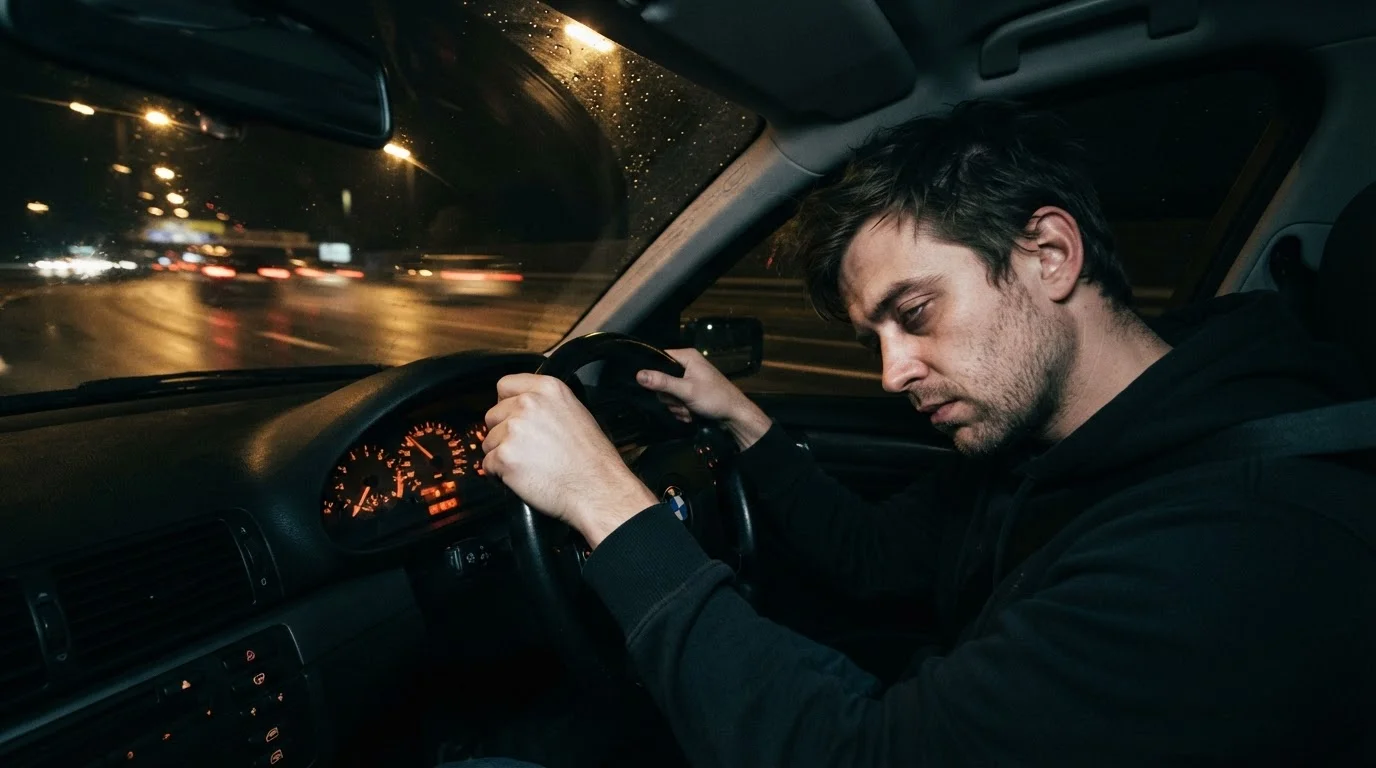
Photo credit: FaqInsider.com
In this article
Drowsy driving impairs judgment and reaction time in ways that mirror alcohol impairment. Learn the signs before fatigue takes the wheel.
Key Takeaways
- Being awake for 18 hours produces impairment comparable to a blood alcohol concentration of 0.05%, according to traffic safety research.
- Microsleep episodes - lasting 4 to 5 seconds - occur without the driver's awareness and can cover significant road distance.
- The highest-risk periods for drowsy driving are between midnight and 6 a.m. and in the mid-afternoon hours.
- Caffeine and rolling down the window provide only temporary relief and are not substitutes for sleep.
- Pulling over and taking a short nap is among the most effective immediate responses to fatigue behind the wheel.
- Commercial truck drivers, shift workers, and people with untreated sleep disorders face elevated drowsy-driving risk.
Why Fatigue Is a Hidden Road Hazard
Most drivers are alert to the dangers of distraction and alcohol, yet fatigue receives far less attention despite carrying comparable risks. The National Highway Traffic Safety Administration (NHTSA) has consistently identified drowsy driving as a significant contributor to fatal crashes each year. What makes fatigue particularly dangerous is that it tends to be self-concealed - tired drivers frequently underestimate their own impairment.
Research comparing sleep-deprived drivers to those with measurable blood alcohol levels has found that staying awake for roughly 18 hours produces driving performance similar to a BAC of 0.05%. After 24 hours without sleep, that figure approaches 0.10% - above the legal limit in every U.S. state. Unlike alcohol, however, there is no roadside test for sleepiness, making enforcement - and self-awareness - exceptionally difficult.
Fatigue also interacts with other driving conditions. Night driving already strains attention and visual acuity, and combining low-light conditions with drowsiness multiplies the hazard significantly.
~100,000
Police-reported drowsy driving crashes annually
The NHTSA estimates approximately 100,000 crashes per year are reported as fatigue-related, though researchers believe the true figure is substantially higher due to underreporting.
4-5 sec
Typical duration of a microsleep episode
At 60 mph, a 5-second microsleep means a vehicle travels the length of a football field without any driver input - a finding highlighted in sleep and traffic safety research.
1.5×
Increased crash risk after less than 7 hours of sleep
A study published in the journal Sleep found that drivers who slept 6-7 hours had roughly 1.3 times the crash rate of those sleeping 8 or more hours; under 5 hours raised risk substantially more.
The Warning Signs Every Driver Should Know
Recognizing fatigue in yourself while driving is harder than it sounds. The brain's self-monitoring capacity is one of the first things compromised by sleepiness, which means the moment you need to assess your own alertness is precisely when your judgment about it is least reliable. This is why learning the physical and behavioral warning signs in advance matters.
Early Warning Signs
- Frequent yawning or blinking
- Difficulty keeping eyes fully open or in focus
- Wandering or disconnected thoughts
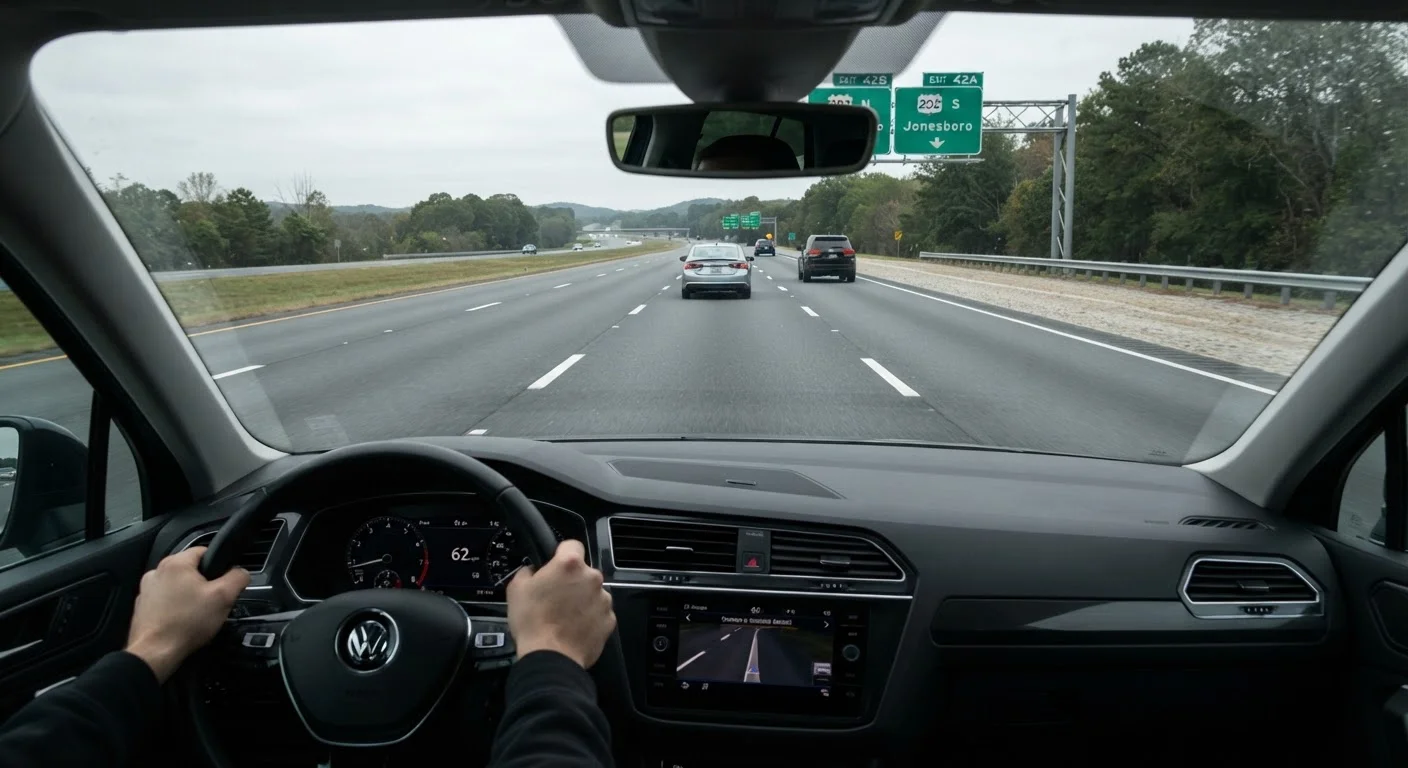
- Missing an exit or turn you intended to take
- Trouble remembering the last few miles driven
Advanced Warning Signs
- Drifting into another lane or onto the shoulder rumble strips
- Head nodding forward involuntarily
- Tailgating without noticing the gap has closed
- Feeling a sudden jolt of alertness - which can signal a microsleep episode just ended
Any advanced sign should be treated as an immediate emergency. The appropriate response is not to push through - it is to exit the roadway safely as soon as possible.
Who Is Most at Risk - and When
Drowsy driving risk is not evenly distributed. Certain populations and time windows carry meaningfully elevated danger.
High-risk groups include commercial drivers operating long hauls, shift workers returning home after overnight or early-morning shifts, people with untreated sleep disorders such as obstructive sleep apnea, and adults between the ages of 18 and 25 - a demographic that studies suggest is disproportionately involved in fatigue-related crashes, in part due to irregular sleep schedules.
High-risk time windows cluster around two periods: midnight to 6 a.m., when the body's circadian rhythm reaches its lowest alertness point, and the early-to-mid afternoon (roughly 1 p.m. to 3 p.m.), when a natural post-lunch dip in alertness occurs. Long highway driving, even in daylight, can induce what researchers call highway hypnosis - a monotony-driven reduction in conscious engagement with the road.
Understanding your own risk profile is part of building safe driving habits that protect you over a lifetime. Chronic poor sleep - not just a single late night - can accumulate into what sleep researchers call sleep debt, compounding impairment over days.
What Actually Helps - and What Doesn't
A number of common countermeasures for drowsiness behind the wheel are less effective than drivers assume.
Rolling down the window or turning up the radio provides sensory stimulation that may delay the onset of a microsleep for a short period, but does nothing to restore cognitive function or reaction time. The same applies to energy drinks and coffee - caffeine can temporarily reduce feelings of sleepiness, but typically takes 15 to 30 minutes to take effect and cannot compensate for significant sleep debt.
What the evidence supports:
- Pulling over for a short nap - even 10 to 20 minutes of sleep can provide a meaningful temporary boost in alertness. Combining caffeine intake with a brief nap (sometimes called a "coffee nap") may extend that benefit, as the caffeine begins working just as the nap ends.
- Planning rest stops on long trips every two hours or 100 miles, regardless of how you feel.
- Traveling with a passenger who can share driving duties and monitor for warning signs.
- Starting trips well-rested - this is the single most effective preventive measure.
Plan Your Rest Stops Before You Leave
On trips longer than two hours, map out rest stop locations in advance rather than waiting until fatigue sets in. By the time you feel compelled to stop, your judgment about how impaired you are is already compromised. Building stops into the plan removes the need for an in-the-moment decision.
Before any long drive, it also helps to complete a pre-trip safety walkthrough - catching vehicle issues before departure reduces the number of problems demanding your attention on the road.
Frequently Asked Questions

Author
Cars Editorial Team
Cars Editorial Team is the collective byline for our editorial team and contributor network. Articles published under this byline or an editorial pen name are researched, written, and reviewed according to our editorial standards for clarity, consistency, and independence before publication.
View all articles →