
DIY Repairs vs. Licensed Contractors: Knowing Where the Line Is
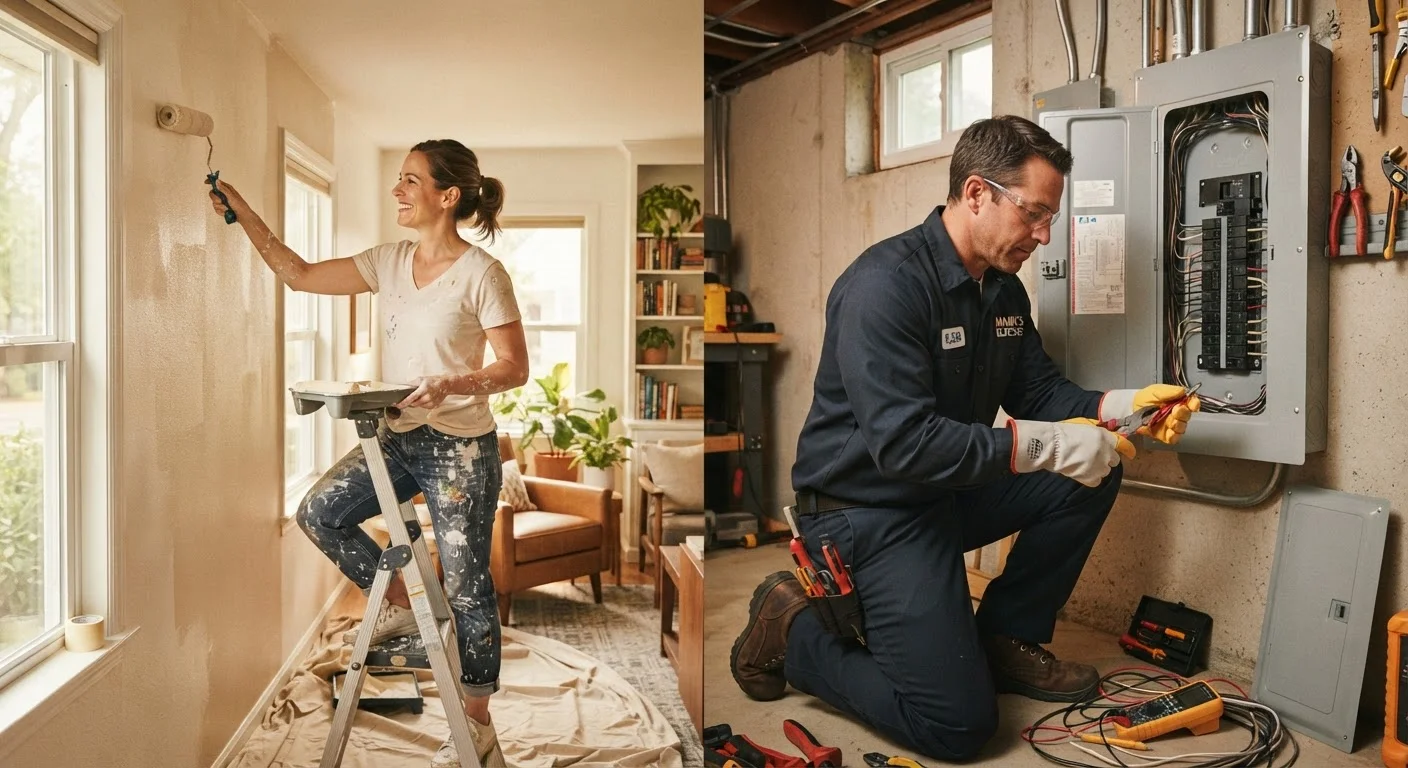
Photo credit: FaqInsider.com
In this article
Some home fixes are safe weekend projects. Others carry legal and safety risks without a licensed pro. Here's how to tell the difference.
Key Takeaways
- Cosmetic and low-risk maintenance tasks are generally safe for confident DIYers to tackle.
- Electrical, gas, structural, and plumbing work often requires permits and licensed professionals by law.
- Unpermitted work can void homeowner's insurance and create problems at resale.
- Your skill level, local codes, and the stakes involved should all factor into the decision.
- When in doubt, a paid consultation with a licensed contractor is a low-cost safety net.
The Real Question Behind Every Home Repair
Every homeowner eventually faces the same crossroads: handle it yourself, or call someone in? The instinct to DIY is understandable - it can feel more economical, more empowering, and more immediate. But the decision isn't really about confidence or cost alone. It's about understanding which repairs carry consequences that go beyond a bad paint job.
The line between DIY-appropriate and contractor-required work isn't arbitrary. It reflects building codes, insurance liability, and genuine physical risk. Getting it wrong can mean voided warranties, failed inspections, costly corrections, or worse. See our guide on where the line actually is for a broader look at how these categories play out across common home systems.
What DIY Handles Well
Plenty of home maintenance falls comfortably in DIY territory - tasks where a mistake is inconvenient but not dangerous, and where no permit or licensed trade is required.
- Painting interior and exterior surfaces - preparation and product choice matter, but no code governs brush technique.
- Replacing fixtures and hardware - swapping cabinet handles, faucets, light fixtures (on existing wiring with the breaker off), or door hardware is generally within reach for a careful homeowner.
- Patching drywall - small holes and surface cracks are manageable with the right materials and patience.
- Caulking and weatherstripping - sealing drafts and moisture gaps around windows and doors is straightforward preventive maintenance.
- Basic landscaping and garden work - planting, mulching, edging, and pruning require effort, not licensing.
- Unclogging drains - for surface-level blockages, a plunger or drain snake is reasonable; problems deeper in the main line are a different matter.
If you want a realistic framework for evaluating whether a specific project fits your capabilities, honestly assessing your skill level before starting is worth the time.
Start Small, Build Confidence
If you're new to home repairs, begin with genuinely low-stakes tasks like caulking, painting, or replacing hardware. Each completed project builds familiarity with tools and techniques. This practical foundation helps you make more accurate judgments about what's within your reach as projects grow in complexity.
Where Licensed Contractors Are Required - and Why
Some work is regulated because the consequences of errors are severe. In most U.S. jurisdictions, the following categories require licensed professionals, permits, or both:
- Electrical panel work - adding circuits, upgrading service, or rewiring requires a licensed electrician and inspection. Errors risk fire or electrocution.
- Gas lines - connecting, moving, or repairing gas supply lines is regulated in virtually every state. A leak can be fatal.
- Structural modifications - removing or altering walls, especially load-bearing ones, requires engineering assessment. See what homeowners need to know about load-bearing walls before touching any wall you're unsure about.
- Roofing - in many areas, roofing work triggers permit requirements; improper installation can void manufacturer warranties and cause water damage.
- Plumbing into mains - tying into municipal water supply or sewer lines almost always requires a licensed plumber and permit.
- HVAC system installation - handling refrigerants is federally regulated; system sizing and installation affect efficiency, air quality, and safety.
Unpermitted Work Has Real Consequences
Work done without required permits isn't just a regulatory technicality - it can void your homeowner's insurance for related damage claims and create serious complications when selling your home. Buyers' inspectors and lenders routinely flag unpermitted improvements. When in doubt about whether a project needs a permit, contact your local building department before starting.
Unpermitted work doesn't just risk fines. It can make your home harder to sell, void your homeowner's insurance for related claims, and leave you personally liable if someone is injured.
How to Compare Your Options Before Deciding
Use the table below as a starting framework. Local codes vary, so always verify requirements with your municipality before beginning any significant project.
| Task Type | DIY Appropriate | Licensed Contractor Required | |
|---|---|---|---|
| Permit typically required | Rarely | Frequently - verify locally | |
| Examples | Painting, caulking, patching drywall | Electrical panels, gas lines, structural work | |
| Risk if done incorrectly | Cosmetic or minor functional issues | Fire, injury, structural failure, code violation | |
| Insurance implications | Generally none | Unpermitted work may void coverage | |
| Resale impact | Minimal | Unpermitted work can complicate sale | |
| Skill requirement | Moderate - learnable with research | Licensed trade certification required |
Before You Hire: What to Know About Working With Contractors
If a project lands in contractor territory, the quality of that hire matters as much as the decision itself. Licensing, insurance coverage, and clear contracts protect you from liability and substandard work. Questions worth asking before you sign anything walks through what experienced homeowners learn to verify before a renovation begins.
It's also worth understanding that contractor-grade and DIY-grade materials are not the same thing - a difference that affects longevity and finish even when the work itself is done correctly. For a broader view of when tackling projects yourself genuinely pays off, an honest look at DIY home improvement covers the trade-offs clearly.

Author
Home & Garden Editorial Team
Home & Garden Editorial Team is the collective byline for our editorial team and contributor network. Articles published under this byline or an editorial pen name are researched, written, and reviewed according to our editorial standards for clarity, consistency, and independence before publication.
View all articles →