
What Mold Actually Needs to Grow-and How Homes Provide It
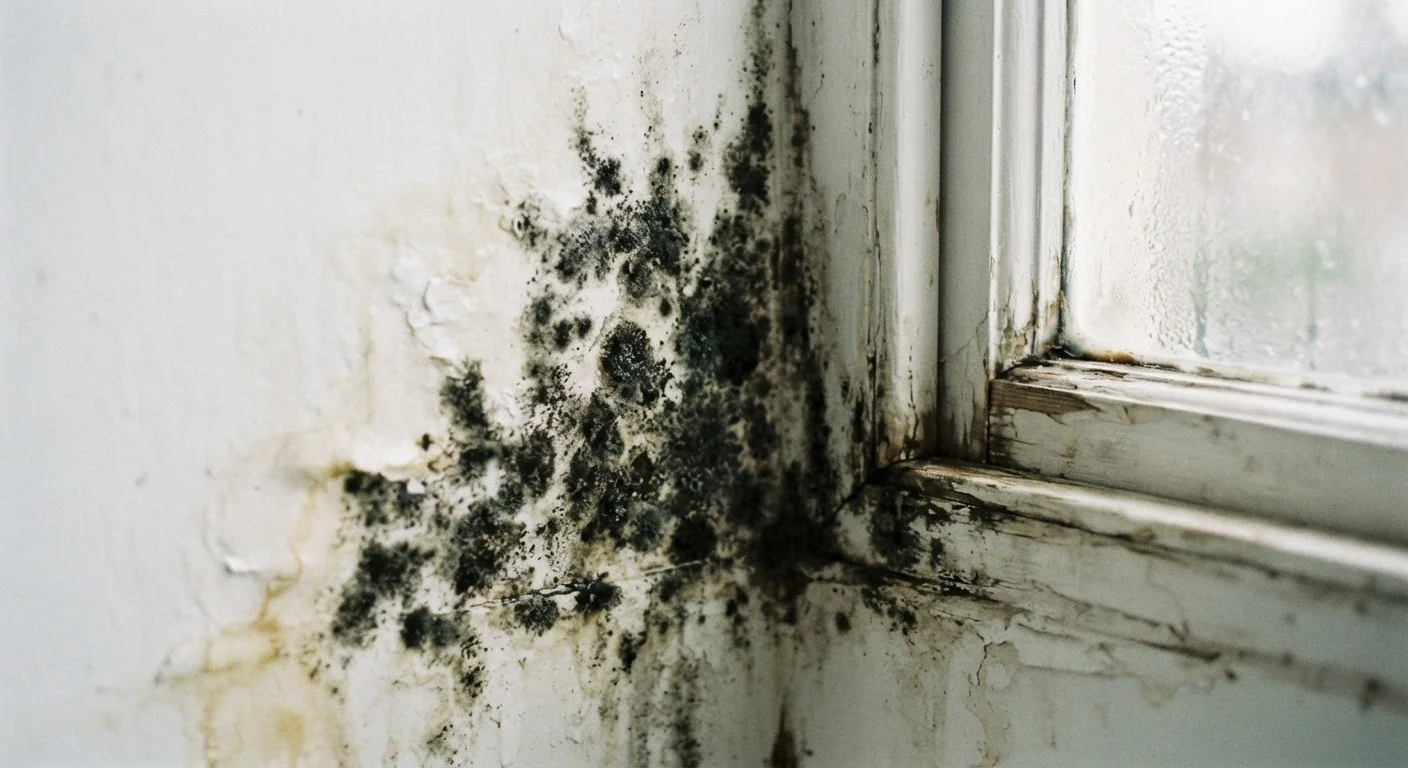
Photo credit: FaqInsider.com
In this article
Mold isn't random. It needs specific conditions to take hold. Understanding those conditions is the first step to preventing it.
Key Takeaways
- Mold spores are always present indoors; controlling moisture is what prevents them from colonizing.
- Relative humidity above 60% is the single most controllable factor in mold growth.
- Common building materials like drywall, wood, and insulation provide the organic food mold needs.
- Mold can begin establishing itself within 24 to 48 hours on a wet surface.
- Fixing mold without addressing the underlying moisture source guarantees it will return.
- Routine maintenance - not just remediation - is the most effective long-term prevention strategy.
The Four Things Mold Cannot Live Without
Mold is not a mystery. It follows predictable biology, and every mold problem inside a home comes down to the same four requirements: moisture, a food source, suitable temperature, and time. Remove even one of those elements, and mold cannot establish itself. That's the practical foundation of every effective prevention strategy.
Moisture is the decisive factor. Mold spores - which drift invisibly through virtually every home - remain dormant when surfaces are dry. The moment a surface stays damp long enough, germination begins. This moisture can come from a leaking pipe, condensation on a cold surface, flood intrusion, or simply air that's too humid.
Food for mold is organic material, and homes are full of it. Drywall paper, wood framing, insulation, carpet fibers, dust, and even paint can all serve as a nutrient source. This is why mold doesn't need a dramatic flood to get started - everyday building materials are adequate fuel.
Temperature matters, but mold is not particularly demanding. Most household species grow anywhere between 40°F and 100°F. That range covers nearly every livable or semi-conditioned space in a home, including attics, basements, and wall cavities.
Time is often underestimated. A wet surface that dries within 24 hours is far less likely to develop mold than one that stays damp for 48 hours or more. Speed of response after any water event directly affects whether mold takes hold.
24-48 hrs
Time for mold to begin germinating on a wet surface
The EPA notes that mold can begin to develop on wet building materials within 24 to 48 hours under favorable temperature conditions.
60%+
Relative humidity level that enables mold growth
Most building science guidance identifies indoor relative humidity above 60% as the threshold at which mold spores can reliably germinate and colonize surfaces.
50%
Recommended maximum indoor relative humidity
The EPA and many building health organizations recommend maintaining indoor humidity between 30% and 50% to inhibit mold growth and dust mites.
How Everyday Home Conditions Enable Mold
Homes aren't designed to grow mold, but they're inadvertently well-suited to it. Modern construction materials are largely organic. Tighter building envelopes - which improve energy efficiency - can reduce air exchange and allow humidity to accumulate. Daily routines like cooking, bathing, and even breathing add moisture to indoor air.
Bathrooms are the obvious high-risk zone, but mold doesn't stop there. Kitchens generate steam. Laundry areas trap humidity. Attics with inadequate ventilation develop condensation in winter when warm, moist air from living spaces meets cold roof sheathing - a dynamic explained in our guide on attic insulation and ventilation.
Below grade, the risk intensifies. Soil surrounding a foundation is nearly always moist, and that moisture migrates inward through concrete and block walls. Our article on basement and crawl space moisture covers this in depth, but the core issue is that below-grade spaces often combine cool surfaces, limited airflow, and organic materials - a near-perfect environment for mold.
Inside walls, the problem can be invisible for months. When moisture infiltrates framing cavities, it contacts wood studs and the paper facing of drywall with no air circulation to aid drying. To understand how that hidden damage progresses, see our explainer on what happens inside walls when moisture goes unchecked.
Check Your Exhaust Fan Termination
Many bathroom and kitchen exhaust fans are incorrectly vented into attic spaces rather than to the exterior. This routes moist air directly against roof sheathing and insulation. If you're unsure where your fan terminates, a qualified contractor can trace the duct and reroute it if needed - it's a relatively simple fix with significant mold-prevention value.
What You Can Actually Control
Since temperature and the presence of spores are largely outside a homeowner's control, moisture management is the primary lever available. A few maintenance habits address the conditions mold depends on before colonies ever form.
- Monitor humidity: Keep indoor relative humidity between 30% and 50%. A basic hygrometer costs very little and takes the guesswork out of knowing when conditions are problematic.
- Ventilate actively: Run bathroom exhaust fans during and for at least 15-20 minutes after showers. Vent dryers to the exterior, not into attic or crawl spaces.
- Fix leaks promptly: A slow pipe drip behind a cabinet wall or under a sink can keep drywall wet continuously for weeks. Inspect supply lines and drain connections periodically.
- Dry wet materials quickly: After any spill, flooding, or roof leak, aim to fully dry affected materials within 24 to 48 hours. Fans, dehumidifiers, and in serious cases, professional drying equipment, can be necessary.
- Improve drainage: Grade soil away from the foundation so surface water flows away from the house rather than toward it.
Mold remediation - physically removing existing growth - is a separate task from prevention, and treating visible mold without correcting the moisture source almost always results in recurrence. The underlying condition is what needs to be solved.
This article is for general informational purposes only. For large mold infestations, suspected health impacts, or structural concerns, consult a qualified contractor or certified indoor air quality professional.
Frequently Asked Questions

Author
Home & Garden Editorial Team
Home & Garden Editorial Team is the collective byline for our editorial team and contributor network. Articles published under this byline or an editorial pen name are researched, written, and reviewed according to our editorial standards for clarity, consistency, and independence before publication.
View all articles →