
Container Gardening on Patios, Balconies, and Small Spaces
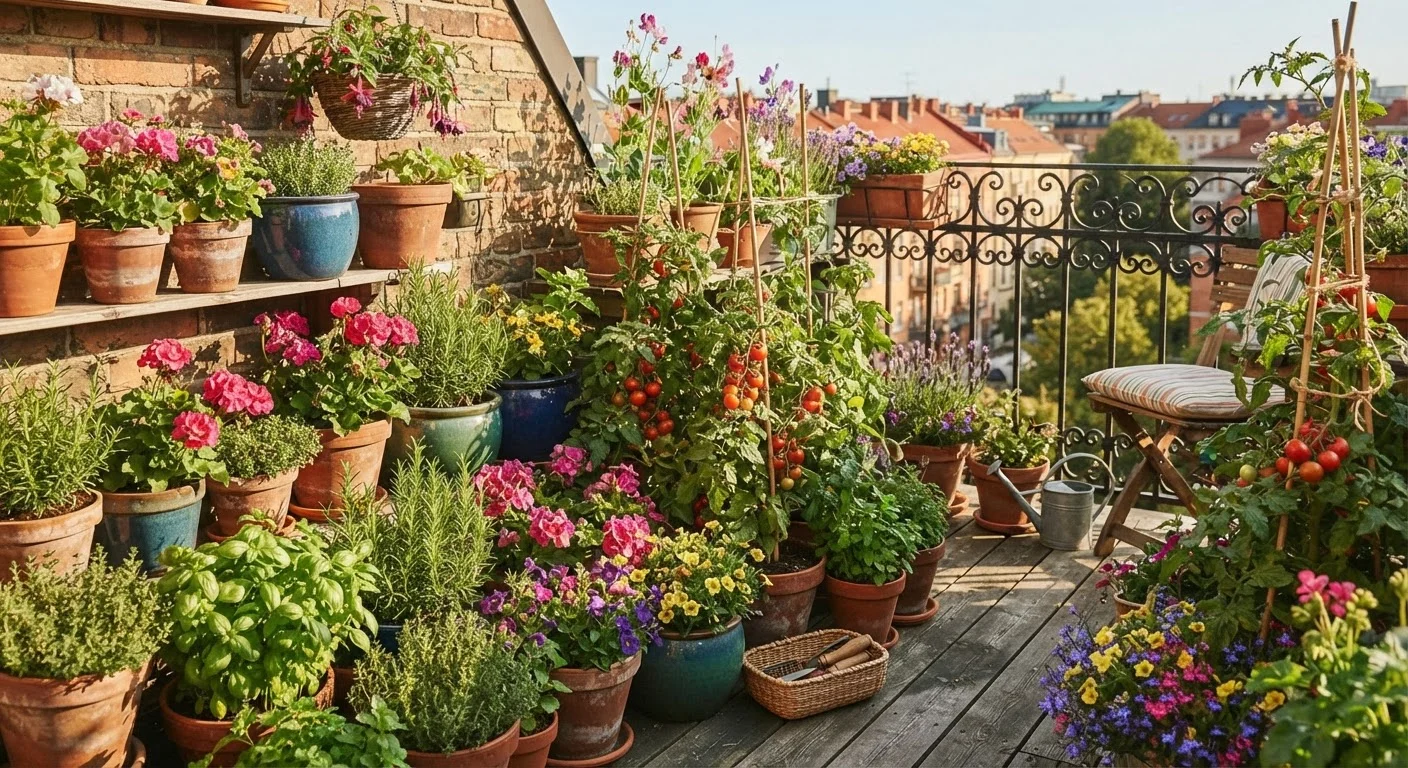
Photo credit: FaqInsider.com
In this article
From drainage and soil mixes to plant selection, here's how to grow thriving container gardens when you're short on ground space.
Key Takeaways
- Drainage is the single most critical factor in container gardening - always use pots with drainage holes.
- Potting mix designed for containers dramatically outperforms garden soil in pots.
- Container plants dry out faster and need more frequent watering and feeding than in-ground plants.
- Matching plant size to container size prevents root crowding and reduces stress.
- Weight matters on balconies - use lightweight containers and soil-less mixes to stay within structural limits.
Why Container Gardening Works in Small Spaces
Not everyone has access to a yard or a raised bed, but that doesn't mean fresh herbs, vegetables, or flowers are out of reach. Container gardening is one of the most flexible approaches to growing plants - you control the soil quality from the start, you can move plants to follow sunlight, and you can scale up or down based on your space and time. Unlike in-ground gardening, where you're working with whatever soil and drainage your property provides, containers let you engineer near-ideal conditions for each plant.
If you're curious how container growing compares to working directly in the ground, our beginner's guide to starting a vegetable garden walks through the traditional route. Container gardening complements that approach or stands entirely on its own.
Start Small and Scale Up
If you're new to container gardening, start with two or three pots of easy-to-grow plants like herbs, cherry tomatoes, or lettuce. Once you understand your space's light patterns and watering needs, expanding is straightforward. Overcommitting early is a common reason beginners get discouraged.
What You'll Need Before You Start
Getting the foundational elements right makes every step easier. Below are the core tools and materials to gather before planting.
What you will need
Containers with drainage holes
Prevent waterlogging, which is the leading cause of root rot in container plants.
High-quality potting mix
Provides the aeration, drainage, and nutrient base container plants need - garden soil compacts too densely in pots.
Saucers or drip trays
Catch excess water to protect surfaces and keep a balcony or patio clean.
Slow-release granular fertilizer
Feeds plants steadily over weeks without requiring frequent manual applications.
Watering can or hose with a gentle nozzle
Delivers water evenly without disturbing soil or damaging young plants.
Lightweight perlite or vermiculite
Improves drainage and reduces overall container weight - important for balcony gardeners.
Trowel
Makes planting, repotting, and soil mixing far easier than working by hand.
Step-by-Step: Setting Up Your Container Garden
Follow these steps in order. Skipping the early preparation stages - especially drainage and soil selection - is the most common reason container gardens struggle.
Assess your sunlight and space
Before choosing containers or plants, track how many hours of direct sunlight your patio or balcony receives on a typical day. Most vegetables and herbs need 6-8 hours; leafy greens and some flowers tolerate 3-4 hours. Note any shade cast by railings, walls, or neighboring buildings at different times of day - this changes seasonally.
Choose containers suited to your plants and space
Match container size to mature plant size: tomatoes and peppers need at least a 5-gallon container; herbs and lettuce thrive in 6-8 inch pots. On balconies, prioritize lightweight materials - fiberglass, resin, or fabric grow bags - over heavy terra cotta or concrete. Verify your balcony's load rating with your building management if you plan a large setup.
Prepare your potting mix
Use a potting mix specifically labeled for containers - not garden soil or topsoil, which compact in pots and restrict root growth. For better drainage and reduced weight, blend in 20-25% perlite by volume. If the mix doesn't already contain a starter fertilizer, add a slow-release granular fertilizer per the product's label directions and mix thoroughly before planting.
Plant at the right depth and spacing
Place plants at the same depth they were growing in their nursery pots. Overcrowding is a common mistake - give each plant enough room for air circulation, which reduces fungal disease risk. For mixed containers, place taller plants toward the back or center and trailing or compact varieties toward the edges.
Water thoroughly after planting
After planting, water slowly and deeply until water flows freely from the drainage holes. This settles the soil around roots and eliminates large air pockets. Let the container drain completely - never let pots sit in standing water for extended periods.
Set a consistent watering and feeding schedule
Check soil moisture daily in warm weather - container soil dries out much faster than in-ground soil. Supplement slow-release fertilizer with a diluted liquid fertilizer every two to three weeks once plants are actively growing. Consistent, moderate feeding outperforms sporadic heavy doses.
Feeding, Watering, and Long-Term Care
Container plants have finite soil volume, which means nutrients deplete faster than in open ground. A slow-release granular fertilizer mixed into the potting mix at planting provides a steady baseline, but most containers benefit from supplemental liquid feeding every two to three weeks during the active growing season.
Watering frequency depends heavily on container size, material, sun exposure, and plant type. A general rule: check the top inch of soil - if it feels dry, water thoroughly until it drains freely from the bottom. In hot weather, small terra cotta pots on sunny balconies may need daily watering. Glazed ceramic or plastic containers retain moisture longer. Grouping pots together also reduces moisture loss through a modest microclimate effect.
For richer soil over time - particularly if you're refreshing containers season to season - composting kitchen scraps into finished compost gives you a free amendment to blend into depleted potting mix between growing seasons. You can also explore companion planting pairings to make the most of limited container space.
Don't Let Containers Sit in Standing Water
Saucers are useful for protecting surfaces, but emptying them after heavy watering is essential. Roots sitting in pooled water quickly develop root rot, which is often fatal to container plants. Elevating pots slightly on feet or pot risers improves airflow to drainage holes and reduces this risk.

Author
Home & Garden Editorial Team
Home & Garden Editorial Team is the collective byline for our editorial team and contributor network. Articles published under this byline or an editorial pen name are researched, written, and reviewed according to our editorial standards for clarity, consistency, and independence before publication.
View all articles →