
Diagnosing Yellow Leaves: A Gardener's Troubleshooting Reference
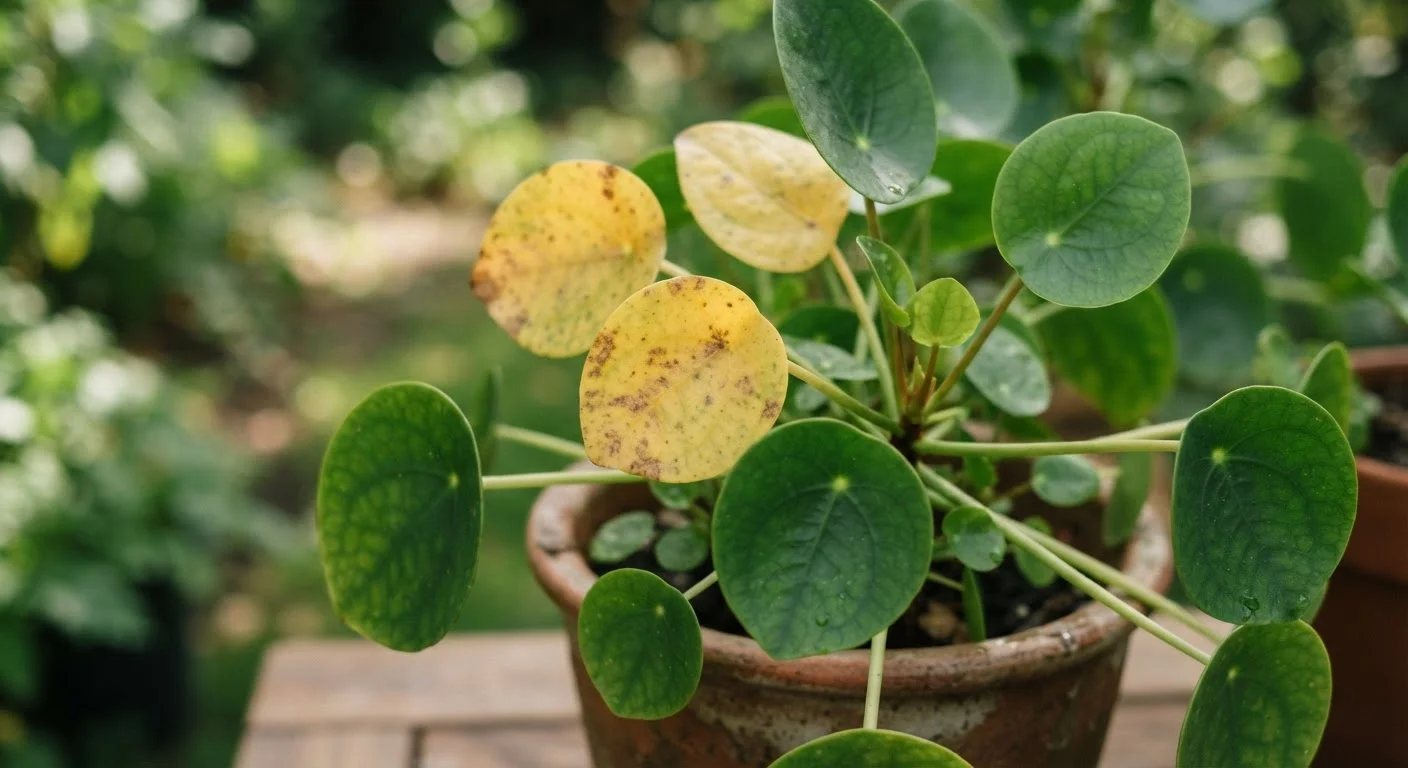
Photo credit: FaqInsider.com
Yellow leaves can signal a dozen different problems. This lookup guide maps common causes — from nutrient deficiencies to overwatering — to visible symptoms.
How to Use This Reference
When a plant turns yellow, the location, pattern, and progression of that yellowing are your most reliable clues. Rather than guessing or defaulting to fertilizer, use this guide as a lookup table: identify what you actually see, then match it to the most likely cause. From there, each entry points to a corrective action.
Keep in mind that yellow leaves rarely have just one cause. Overwatering can mimic iron deficiency; root rot can look like drought stress. If your first fix doesn't produce improvement within two to three weeks, revisit the list - two conditions may be operating at once. And if you notice similar yellowing patterns across your whole lawn, the full lawn symptom guide can help you connect the dots at a larger scale.
| Most common cause of yellow leaves | Overwatering or poor drainage (University extension horticulture programs, general consensus) |
| Second most common cause | Nitrogen deficiency |
| Best diagnostic first step | Soil test for pH and nutrients (Available through cooperative extension offices) |
| Interveinal chlorosis typical pH trigger | Soil pH above 7.0-7.5 |
| Time to assess a corrective action | 2-3 weeks after change |
| Normal yellowing to expect | Older, lower leaves throughout the season |
Symptom-by-Symptom Cause Lookup
Use the descriptions below to match what you're seeing to the most probable underlying problem.
Yellowing Starting on Older, Lower Leaves First
Most likely cause: Nitrogen deficiency. Nitrogen is mobile in plants - when supplies run low, the plant pulls it from older leaves to support new growth. The oldest leaves turn uniformly pale yellow, starting at the tips and moving inward. Soil that's been heavily cropped, sandy, or poorly amended is the usual culprit. A soil test will confirm; amend with a balanced fertilizer or compost after diagnosis.
Yellow Between Leaf Veins, Veins Staying Green
Most likely cause: Iron or manganese deficiency (interveinal chlorosis). This pattern almost always points to a pH problem rather than a true lack of minerals. When soil pH climbs above 7.0-7.5, plants can't absorb iron even when it's present. Test your soil pH before adding amendments - see why soil pH quietly sabotages gardens for testing guidance. Acidifying amendments like sulfur can bring pH back into range.
Uniform Yellowing Across Young and Old Leaves Together
Most likely cause: Sulfur deficiency or overwatering. Sulfur deficiency yellows new leaves first because sulfur is immobile in plants. But if all leaves yellow simultaneously and the soil feels consistently wet, overwatering or poor drainage is more probable. Roots deprived of oxygen cannot take up any nutrients efficiently, causing a systemic, whole-plant yellowing. Read more about the damage overwatering causes before adding fertilizer.
Yellow Leaves with Brown, Crispy Edges
Most likely cause: Underwatering, heat stress, or salt buildup. When leaf edges brown and curl while the center turns yellow, the plant is losing water faster than roots can supply it. Excess fertilizer salts in the soil can create the same effect by drawing moisture away from roots. Flush the soil thoroughly with clean water and scale back fertilizer applications.
Yellow Spots or Patches, Not Whole-Leaf Yellowing
Most likely cause: Fungal disease, bacterial infection, or pest feeding. Discrete yellow spots - especially with brown centers, halos, or a water-soaked appearance - signal a pathogen rather than a nutrient issue. Spider mite feeding creates tiny stippled yellow flecks. Inspect the undersides of leaves with a magnifying glass for mites, eggs, or fungal spores before treating.
Chlorosis
A condition in which leaves produce insufficient chlorophyll, causing them to turn yellow or pale. It can result from nutrient deficiencies, pH imbalance, disease, or root problems.
Interveinal chlorosis
Yellowing between leaf veins while the veins themselves remain green. It typically indicates iron, manganese, or magnesium deficiency, often triggered by high soil pH preventing nutrient uptake.
Mobile nutrient
A nutrient (such as nitrogen, phosphorus, or magnesium) that plants can relocate from older tissues to newer growth when supplies are limited, causing deficiency symptoms to appear on older leaves first.
Soil pH
A measure of how acidic or alkaline soil is, on a scale of 0-14. Most garden plants thrive in the 6.0-7.0 range; pH outside this window locks out nutrients even when they're present in the soil.
Root rot
A condition where plant roots decay due to prolonged waterlogging, typically caused by fungal pathogens that thrive in oxygen-deprived, saturated soil. Affected plants often show yellowing and wilting despite moist soil.
Stippling
A pattern of tiny yellow or white flecks on leaf surfaces caused by pest feeding - most commonly spider mites piercing individual plant cells. It differs from nutrient-related yellowing because the damage is confined to small, discrete dots.
Next Steps After Diagnosis
Accurate diagnosis should always come before treatment. A soil test - available through most cooperative extension services and many garden centers - is the single most reliable tool for separating nutrient deficiencies from pH imbalances from watering problems. Treat one variable at a time so you can assess what's actually working.
Seasonal timing also matters. Plants are more vulnerable to stress during peak heat or active growth flushes, which can amplify symptoms that would otherwise be mild. A year-round maintenance calendar can help you anticipate these windows and keep plants better buffered against stress before symptoms appear.
Finally, remember that some leaf yellowing is entirely normal - deciduous plants shed older leaves throughout the growing season, and a few yellow leaves at the base of a healthy plant is not a crisis. The concern is pattern, progression, and scale: yellowing that spreads, recurs, or affects most of the plant warrants investigation.

Author
Home & Garden Editorial Team
Home & Garden Editorial Team is the collective byline for our editorial team and contributor network. Articles published under this byline or an editorial pen name are researched, written, and reviewed according to our editorial standards for clarity, consistency, and independence before publication.
View all articles →