
What Your Lawn Is Actually Trying to Tell You
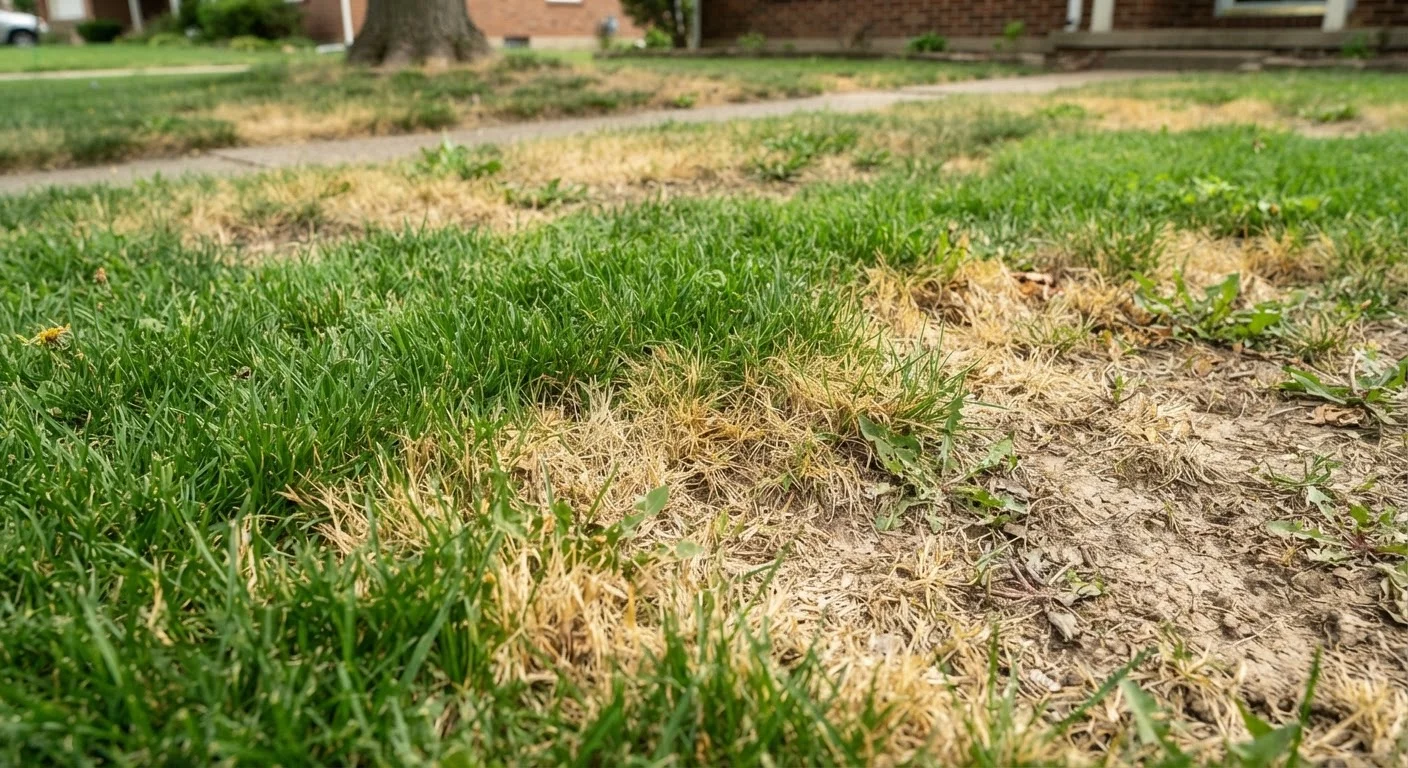
Photo credit: FaqInsider.com
In this article
Yellow patches, bare spots, and spongy turf all mean something specific. Learn to read common lawn symptoms and what causes them.
How to Read Your Lawn Like a Diagnostic Chart
A lawn doesn't deteriorate randomly. Every yellow patch, thinning strip, or spongy section is a symptom pointing to a specific underlying cause - whether that's a watering imbalance, soil compaction, pest activity, or a fungal problem. Learning to connect what you see above ground to what's happening in the root zone is the foundation of effective lawn care.
This reference guide maps the most common visual symptoms to their likely causes, so you can respond with the right fix rather than guessing. Keep in mind that multiple issues can overlap, and a soil test is often the most reliable starting point for unexplained problems. See our year-round maintenance calendar to understand how timing affects both problem onset and recovery.
Common Lawn Symptoms and What They Signal
Yellow or Straw-Colored Patches
Yellowing is the most frequent lawn complaint, and it has several distinct causes worth separating:
- Uniform yellowing across the lawn: Often indicates nitrogen deficiency, especially after heavy rainfall that leaches nutrients from the soil.
- Yellow rings or circular patches: A classic sign of fungal disease, particularly fairy ring or dollar spot. Look for thread-like mycelium early in the morning.
- Yellowing near pavement or high-traffic edges: Frequently points to soil compaction or salt damage from de-icing products.
- Irregular yellow blotches with green borders: May suggest grub damage beneath the surface - check by cutting a small section of sod and looking for white C-shaped larvae.
Our yellowing symptom reference guide expands on nutrient and moisture causes that apply to both lawn grass and garden plants.
Bare or Thin Spots
Bare areas that don't recover with watering are rarely just a seeding problem. Common culprits include:
- Heavy foot traffic compacting the soil so roots can't establish.
- Dog urine burning concentrated nitrogen into the grass blades.
- Buried debris or hardpan just below the surface preventing root penetration.
- Shade creep as trees mature, reducing light below what cool- or warm-season grasses can tolerate.
If overseeding hasn't been producing results, the problem is often seed-to-soil contact or timing. Our guide on why overseeding fails covers the most common fixable mistakes.
Spongy or Soft Turf
A lawn that feels spongy underfoot - especially in dry weather - usually has a thatch problem. Thatch is the layer of dead stems, roots, and debris that accumulates between the grass blades and the soil surface. A thin layer (under ½ inch) is normal; anything thicker blocks water and air from reaching roots. This symptom often pairs well with our lawn aeration explainer, as core aeration is one of the primary tools for thatch management.
Streaky or Striped Discoloration
If discoloration follows a pattern that mirrors your mowing or irrigation lines, the problem is almost always mechanical: dull mower blades shredding rather than cutting cleanly, an uneven sprinkler pattern, or a spreader applying fertilizer inconsistently. Common watering misconceptions can reinforce uneven patterns if irrigation habits don't match the lawn's actual needs.
Thatch
A layer of living and dead grass stems, roots, and organic debris that builds up between the soil surface and the base of grass blades. A thin layer is normal, but excessive thatch blocks water, air, and nutrients from reaching roots.
Nitrogen deficiency
A condition in which grass lacks adequate nitrogen - a key nutrient for green, leafy growth. It typically causes uniform yellowing and slow growth, and is confirmed by a soil or tissue test.
Compaction
The compression of soil particles, usually from foot traffic, heavy equipment, or repeatedly wet conditions. Compacted soil limits root growth and prevents water and air from penetrating.
Dollar spot
A common fungal lawn disease that creates small, silver-dollar-sized patches of bleached or tan grass. It thrives in warm, humid conditions and is often linked to low nitrogen levels.
Fairy ring
A circular or arc-shaped pattern of dark green grass, mushrooms, or dead turf caused by certain soil-dwelling fungi. The fungi decompose organic matter underground and alter soil chemistry in the ring area.
Core aeration
A mechanical process that removes small plugs of soil from the lawn to relieve compaction, improve water infiltration, and reduce thatch. It differs from spike aeration, which compresses soil rather than removing it.
When to Call In a Professional
Most lawn symptoms respond to corrective care once you've identified the cause. However, a few situations warrant outside expertise:
- Persistent fungal disease that returns after treatment may require a professional diagnostic - some pathogens require specific fungicide chemistry that isn't broadly available.
- Widespread grub infestations affecting large areas benefit from professional identification of the species before treatment decisions are made.
- Drainage issues that create standing water involve grading or drainage installation, which typically requires a landscape contractor.
Before assuming you need major intervention, start with a soil test through your local cooperative extension office - it's low cost and frequently reveals the actual limiting factor. A lawn in poor shape isn't always a candidate for a full replacement; see our comparison of grass seed and sod if you're weighing a more significant reset.

Author
Home & Garden Editorial Team
Home & Garden Editorial Team is the collective byline for our editorial team and contributor network. Articles published under this byline or an editorial pen name are researched, written, and reviewed according to our editorial standards for clarity, consistency, and independence before publication.
View all articles →