
Why Overwatering Is the Silent Killer of Backyard Gardens
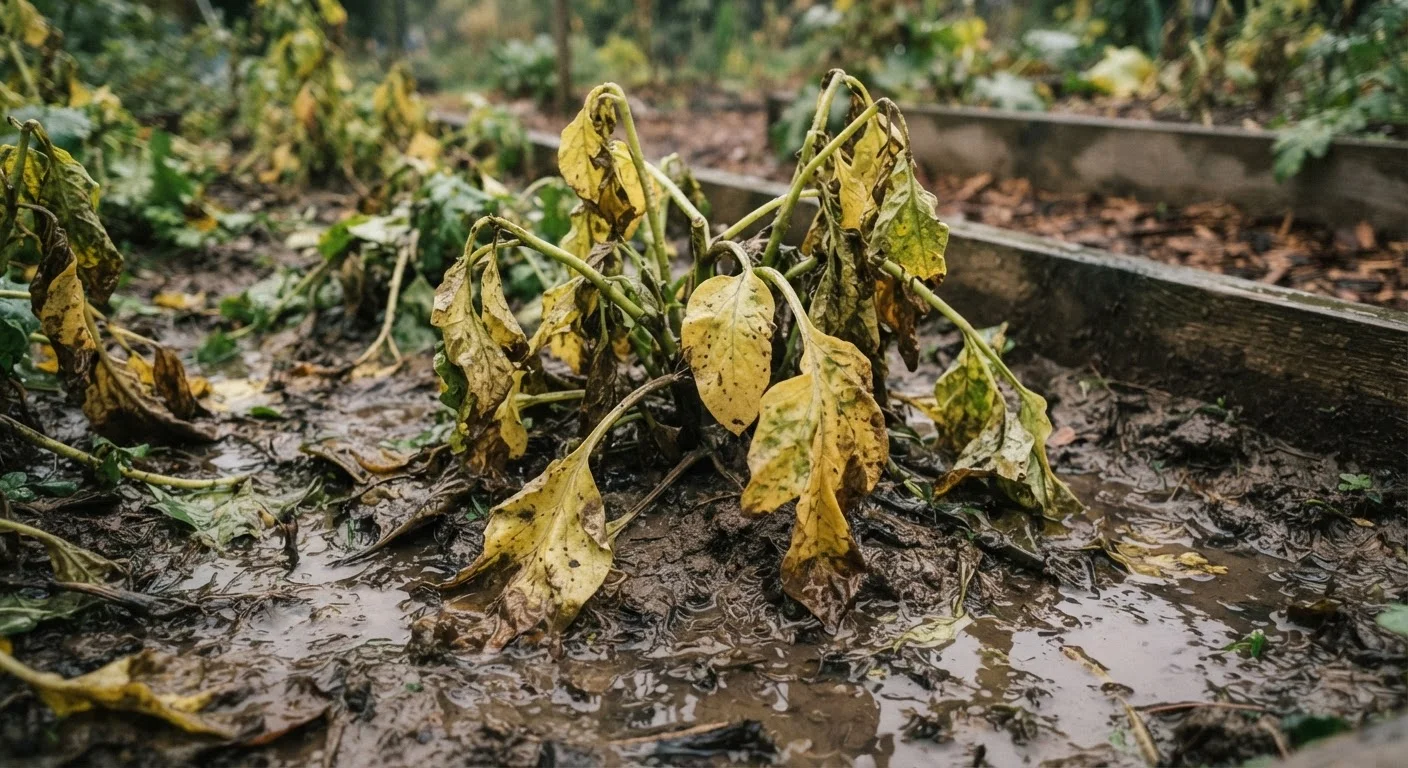
Photo credit: FaqInsider.com
In this article
Overwatering is one of the most common gardening errors. Learn to recognize the signs, understand the damage it causes, and correct course.
Key Takeaways
- Overwatering suffocates roots by displacing oxygen in the soil, killing plants slowly from below.
- Yellowing leaves and wilting are symptoms of both overwatering and underwatering - soil moisture is the true diagnostic.
- Most garden plants benefit from deep, infrequent watering rather than frequent shallow applications.
- Soil type, drainage, plant species, and season all determine how much water is actually needed.
- Simple adjustments - finger-testing soil, improving drainage, and watering on a need basis - can reverse early damage.
The Problem With Being Too Generous
Overwatering is arguably the most common mistake backyard gardeners make - and the most misunderstood. Because plants clearly need water to survive, it feels counterintuitive that too much of it could be the problem. But consistently saturated soil creates conditions that are as hostile to plant roots as a prolonged drought.
When soil stays waterlogged, the pore spaces that normally hold air become completely filled with water. Plant roots require oxygen to function, and without it they begin to deteriorate - a condition known as root rot. The frustrating part: the visible symptoms (wilting, yellowing leaves, slow growth) look almost identical to underwatering, which causes many gardeners to add more water and deepen the problem. See our guide to diagnosing yellow leaves for help distinguishing these overlapping symptoms.
Watering on a fixed daily schedule regardless of weather or soil conditions.
Why it happens: Gardeners often follow generic advice about watering frequency without accounting for rainfall, temperature, humidity, or their specific soil type.
Misreading wilting or yellowing leaves as a sign of drought when overwatering is the actual cause.
Why it happens: Wilting and leaf yellowing are the most visible stress signals plants produce, but they occur under both wet and dry conditions, making them unreliable on their own.
Planting in beds or containers with inadequate drainage and then watering normally.
Why it happens: Gardeners focus on plants themselves and overlook the drainage characteristics of their chosen beds, containers, or native soil - often discovering the problem only after damage appears.
Applying the same watering frequency to all plants in the garden regardless of species needs.
Why it happens: It's convenient to treat the whole garden as a unit, but succulents, native drought-tolerant plants, and moisture-loving perennials have dramatically different water requirements.
Continuing to water at the same rate year-round without adjusting for seasonal changes.
Why it happens: Gardeners establish a routine in summer and don't recalibrate as temperatures drop, rainfall increases, or plants enter dormancy in fall and winter.
How to Read Your Soil - Not Your Schedule
One of the most reliable ways to avoid overwatering is to stop watering by the calendar and start watering by observation. Push a finger or a wooden dowel two inches into the soil near the plant's root zone. If it comes out moist, the plant doesn't need water yet. If it comes out dry, it's time to water thoroughly.
Soil type matters significantly here. Clay soils retain moisture much longer than sandy soils, meaning a clay-heavy garden bed may need watering half as often as a sandy one under the same conditions. If you're gardening in containers, drainage holes are non-negotiable - pots without them trap water at the root level with nowhere to go. For more on managing moisture in pots, see our article on container gardening on patios and balconies.
~50%
Estimated share of landscape water wasted
The U.S. Environmental Protection Agency has estimated that roughly half of outdoor water used for irrigation is wasted due to overwatering or inefficient application methods.
2 inches
Finger-test depth before watering
Horticulture extension programs widely recommend testing soil moisture at a depth of one to two inches before irrigating most vegetable and ornamental garden plants.
When you do water, water deeply and less frequently. Shallow, frequent watering encourages roots to stay near the surface rather than growing downward - making plants less drought-resilient over time. Aim to wet the soil to a depth of six to eight inches for most vegetable and perennial beds.
Smarter Watering Habits Start With Infrastructure
Beyond technique, your garden's drainage infrastructure plays a large role in how vulnerable it is to overwatering. Compacted soil, low-lying planting areas, and heavy clay all increase the risk. Incorporating organic matter - compost, aged bark - into your soil improves its structure and drainage over time.
Mulch, applied correctly at two to three inches deep, can help regulate soil moisture and reduce the frequency of needed watering. That said, overapplied or improperly placed mulch can trap too much moisture against plant stems and crowns, contributing to rot. The myths surrounding mulching are worth reviewing before you spread another layer.
Standing Water Near Foundations Is a Separate Risk
Overwatering garden beds adjacent to your home can direct excess water toward the foundation. Chronic moisture against a foundation can contribute to seepage, efflorescence, and structural concerns over time. If your garden beds slope toward the house or you notice pooling after watering, it's worth reviewing your grading and drainage setup. Our article on gutters, downspouts, and drainage covers related water management issues homeowners frequently overlook.
For gardeners managing larger areas, choosing an irrigation method suited to your plants can prevent the daily overwatering habit that hose-in-hand routines can encourage. Drip systems, for instance, deliver water directly to the root zone at a slow rate - giving soil time to absorb moisture without becoming saturated. Our comparison of drip irrigation vs. sprinkler systems breaks down which approach suits which garden type. Similarly, if you maintain a lawn alongside garden beds, understanding common lawn watering myths will help you calibrate across your entire yard.

Author
Home & Garden Editorial Team
Home & Garden Editorial Team is the collective byline for our editorial team and contributor network. Articles published under this byline or an editorial pen name are researched, written, and reviewed according to our editorial standards for clarity, consistency, and independence before publication.
View all articles →