
Soil pH and Why Your Plants Keep Struggling
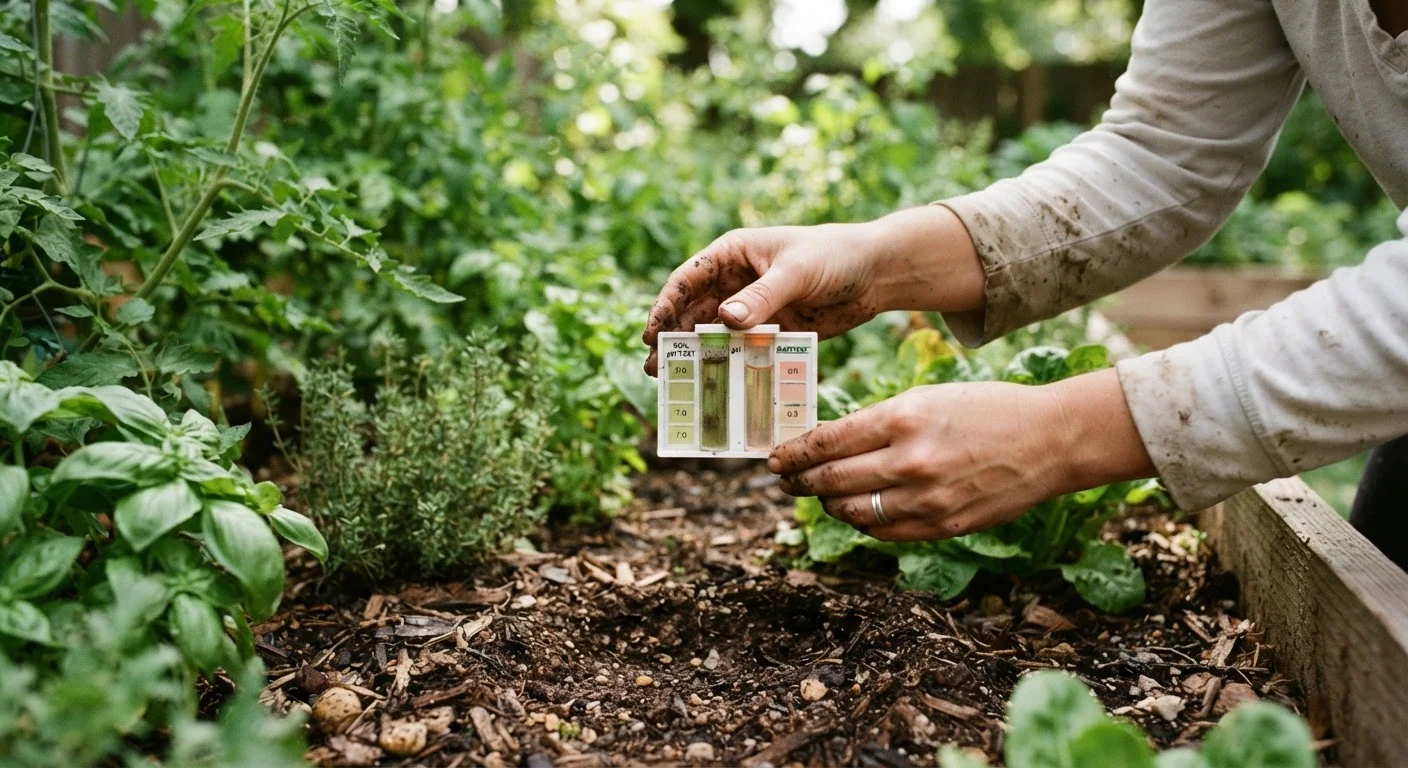
Photo credit: FaqInsider.com
In this article
Understand what soil pH means, how to test it, and why getting it wrong can quietly sabotage even a well-watered garden.
Key Takeaways
- Soil pH controls how well plant roots can absorb nutrients, regardless of how much fertilizer you apply.
- Most vegetables and flowering plants prefer a slightly acidic to neutral pH range of 6.0-7.0.
- Inexpensive soil test kits or cooperative extension lab tests can accurately reveal your soil's pH.
- Lime raises soil pH; sulfur or acidic organic matter lowers it - but amendments take time to work.
- pH imbalance is often misdiagnosed as a watering or fertilizing problem.
The Hidden Variable Behind Plant Problems
Many gardeners do everything right - regular watering, quality compost, plenty of sunlight - and still watch their plants turn yellow, grow slowly, or fail to flower. Before blaming pests, disease, or technique, it's worth checking the one factor hiding just beneath the surface: soil pH.
Soil pH influences whether plant roots can actually absorb the nutrients that are already present in your soil. Think of pH as a gatekeeper. When it's in the right range, that gate is open and nutrients flow freely. When pH drifts too far in either direction, the gate locks - and even a fertile, well-fertilized soil becomes nutritionally inaccessible to your plants.
This is why pH imbalance is frequently mistaken for a fertilizer or watering problem. If you've ever added more fertilizer and seen no improvement, or wondered whether overwatering might be the culprit, it's worth ruling out pH first.
6.0-7.0
Optimal pH range for most vegetables and flowers
This range is widely cited by university extension services as the window where the broadest selection of nutrients remains plant-available.
~30%
Estimated share of U.S. garden soils outside ideal pH
Soil surveys from cooperative extension programs suggest a significant portion of residential garden soils are measurably acidic or alkaline enough to limit plant performance.
4.5-5.5
Preferred pH for acid-loving plants like blueberries
Plants like blueberries, azaleas, and rhododendrons are adapted to acidic conditions and can show deficiency symptoms in soils that are perfectly fine for most vegetables.
How pH Affects Nutrient Availability
The chemistry behind soil pH isn't complicated once you know what's happening. In acidic soils (below 6.0), nutrients like phosphorus bind tightly to soil particles and become unavailable. Trace minerals such as aluminum and manganese, meanwhile, can dissolve into concentrations that are toxic to many plants. In alkaline soils (above 7.5), iron, zinc, and manganese become insoluble - which is why plants in high-pH soils often show yellowing between leaf veins, a symptom called chlorosis.
The sweet spot for most garden plants - roughly pH 6.0 to 7.0 - is where the widest range of nutrients stays dissolved and accessible. This is especially important for nitrogen, phosphorus, and potassium, the three primary nutrients in any fertilizer. Correcting pH before applying fertilizer makes your fertilizing far more effective. For a deeper look at how fertilizer interacts with soil biology, see our guide on organic vs. synthetic fertilizers.
Testing, Adjusting, and Maintaining Your Soil pH
Testing is the essential first step. Inexpensive test kits available at garden centers give a useful snapshot, but for the most reliable results - including specific amendment recommendations - consider sending a sample to your local cooperative extension service. Many extension offices charge only a small fee and return detailed reports.
Once you know your pH, adjustment is straightforward, though not instant:
- To raise pH (make soil less acidic): Apply ground agricultural limestone (lime). The amount depends on your current pH, your target pH, and your soil type. Sandy soils require less lime than clay soils for the same adjustment.
- To lower pH (make soil more acidic): Use elemental sulfur or acidic organic matter like composted pine bark. Sulfur works slowly through microbial activity, so plan months in advance.
Retest every one to two years, since pH naturally drifts - especially in high-rainfall regions where leaching gradually acidifies soil. Building long-term soil health through proven soil-building practices can also help buffer against dramatic pH swings over time.
Test Before You Amend
Never add lime or sulfur based on a guess. Over-correcting soil pH can be just as damaging as leaving it uncorrected, and fixing an over-limed soil is far more difficult. Always test first, then follow the amendment rates indicated for your specific pH reading and soil type.
If you're growing native species, check their natural habitat before adjusting pH - many thrive in conditions that would stress common garden plants. Learn more in our overview of native plant gardening.
Frequently Asked Questions

Author
Home & Garden Editorial Team
Home & Garden Editorial Team is the collective byline for our editorial team and contributor network. Articles published under this byline or an editorial pen name are researched, written, and reviewed according to our editorial standards for clarity, consistency, and independence before publication.
View all articles →