
Perennials vs. Annuals: Planning a Garden That Comes Back
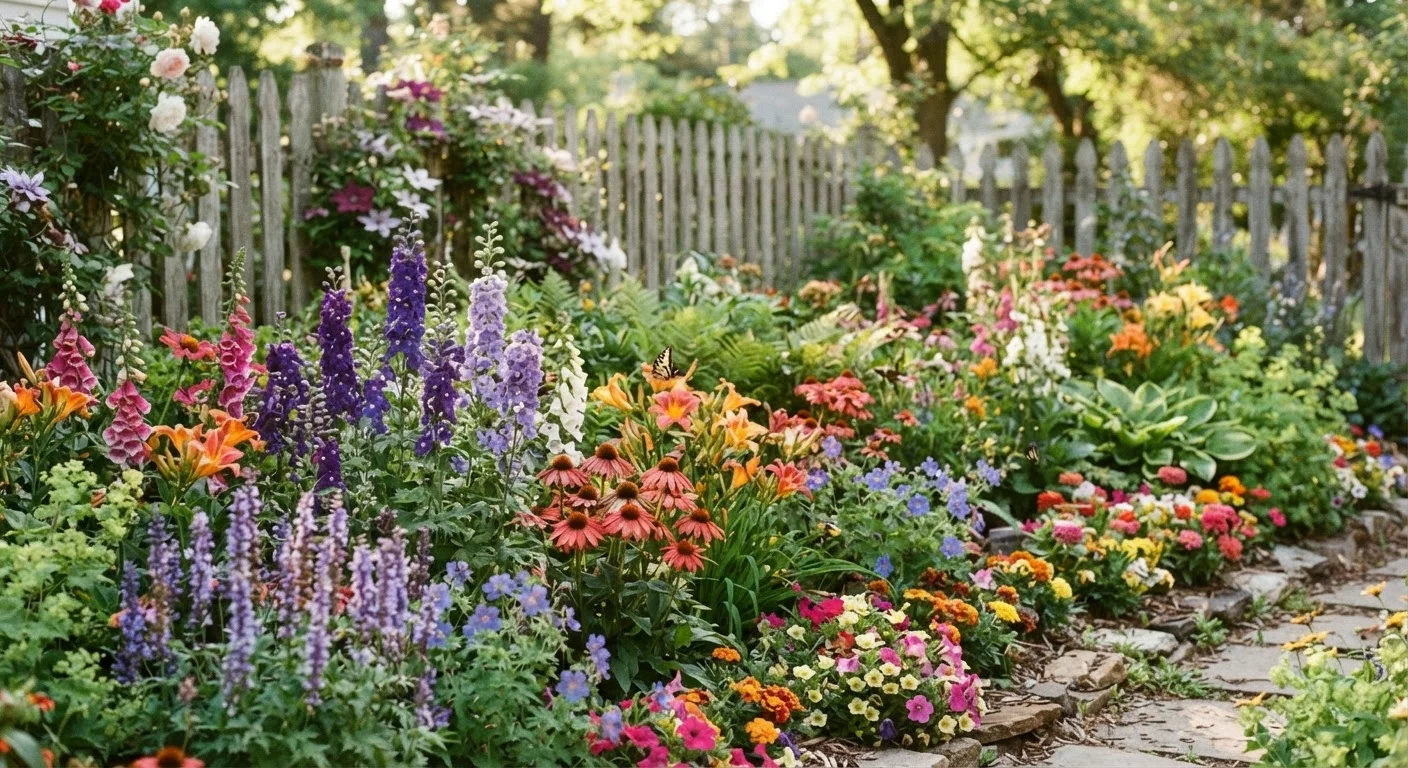
Photo credit: FaqInsider.com
In this article
Understand the core difference between perennial and annual plants and how mixing both shapes a garden's color, cost, and long-term structure.
Key Takeaways
- Perennials return year after year, building deeper root systems and more visual presence over time.
- Annuals complete their full life cycle in one season, delivering intense color from spring through frost.
- Combining both types gives your garden lasting structure plus the flexibility to refresh its look annually.
- Perennials generally cost more upfront but spread and multiply, reducing long-term expenses.
- Annuals require replanting each season but give you maximum design control and color variety.
- Your climate zone, budget, and maintenance preferences should all shape how you balance the two.
What Separates Perennials from Annuals
The distinction comes down to life cycle. Annuals complete their entire life - from seed to flower to seed - within a single growing season, then die. Perennials die back to their roots at the end of the season but regrow from those same roots the following spring, persisting for three or more years.
This difference in biology shapes everything: cost, maintenance, bloom timing, and what your garden looks like five years from now. Annuals like marigolds, zinnias, and impatiens are bred to bloom heavily and continuously because their only biological job is to produce seed before dying. Perennials like coneflowers, black-eyed Susans, and daylilies tend to have shorter, more defined bloom windows - but they also develop stronger root systems and often spread to fill space over time.
A third category worth knowing: biennials complete their cycle over two years, flowering in year two. They're less common in home gardens but occasionally sold alongside annuals at nurseries.
| Criterion | Perennials | Annuals |
|---|---|---|
| Life cycle | Returns for 3+ years from same roots | Completes full cycle in one season |
| Bloom duration | Defined window, weeks to months | Continuous bloom through full season |
| Upfront cost | Higher per plant | Lower per plant |
| Long-term cost | Lower - spreads and multiplies | Higher - replanted every year |
| Maintenance effort | Division and cutback periodically | Regular deadheading, full replanting |
| Design flexibility | Stable, committed layout | Change look completely each year |
| Establishment time | 1-2 seasons to reach full size | Performs fully in year one |
| Climate sensitivity | Must match hardiness zone | Works in nearly any zone annually |
Planning Your Garden: How to Use Each Strategically
Experienced gardeners typically use perennials as the structural foundation of a bed and annuals as seasonal infill. Think of perennials as the bones - the plants that define shape, height layers, and return reliably each spring. Annuals are the skin: colorful, changeable, and responsive to your current aesthetic goals.
When starting a new bed, a practical approach is to plant perennials first, then fill open spaces with annuals while the perennials establish. As perennials mature and spread over two to three years, those annual gaps naturally shrink - and so does your replanting budget. For container gardens, annuals often dominate because of their nonstop bloom habit; see our container gardening guide for strategies on pots and balconies.
Bloom timing is another planning tool. Stagger your perennials to cover spring, summer, and fall windows - for example, irises in spring, coneflowers in midsummer, and asters in fall. Annuals bridge any color gaps. This layered approach is also explored in our year-round maintenance calendar, which covers what your yard needs at each point in the growing season.
A Note on 'Tender Perennials'
Some plants sold as annuals are actually tender perennials - they're perennial in warm climates but can't survive frost. Petunias, geraniums (Pelargonium), and coleus fall into this category. In zones with mild winters, these may return year after year. In colder climates, they're treated as annuals or overwintered indoors. Always check the plant label or ask at your local nursery to understand what you're actually buying.
Cost, Maintenance, and Long-Term Value
Annuals typically cost less per plant at purchase, but the expense repeats every year. Perennials carry a higher initial price tag, yet many clump-forming varieties can be divided every few years - giving you free plants to expand your beds or share with neighbors. Over a three-to-five year horizon, a perennial-anchored garden almost always costs less to maintain.
Maintenance differences are also real. Annuals need regular deadheading (removing spent blooms) to keep them flowering, and beds require complete replanting each season. Perennials need division when they become overcrowded, occasional cutting back, and may need mulching to protect roots in cold climates. Neither type is truly maintenance-free, but perennials generally require less repeated labor once established.
Soil quality plays a role in how well both types perform. Healthy, well-amended soil gives perennials the strong root environment they need to overwinter and return vigorously. Our soil-building techniques guide covers proven practices that benefit both annual and perennial plantings long-term.
Choosing Plants That Suit Your Region
Before selecting any plant, check your USDA Plant Hardiness Zone - a free resource that maps average annual minimum temperatures across the U.S. Perennials must be rated for your zone to reliably return each spring. A perennial in one region may behave as an annual in another; tropical perennials like cannas, for instance, won't survive winters in colder northern zones without being dug up and stored.
Native plants often offer the best of both categories. Many native perennials are naturally adapted to local climate extremes, require less supplemental watering, and support local pollinators. Our guide on native plants for a low-maintenance yard explores this approach in depth, including practical examples for different U.S. regions.
For annuals, nearly any variety will perform in most zones since they don't need to survive winter - but heat tolerance matters. In hot, humid southern climates, cool-season annuals like snapdragons thrive in fall and spring rather than summer. Planning around your specific growing conditions, rather than following generic advice, makes the biggest difference in long-term garden success.

Author
Home & Garden Editorial Team
Home & Garden Editorial Team is the collective byline for our editorial team and contributor network. Articles published under this byline or an editorial pen name are researched, written, and reviewed according to our editorial standards for clarity, consistency, and independence before publication.
View all articles →