
Native Plants and the Case for a Low-Maintenance Yard
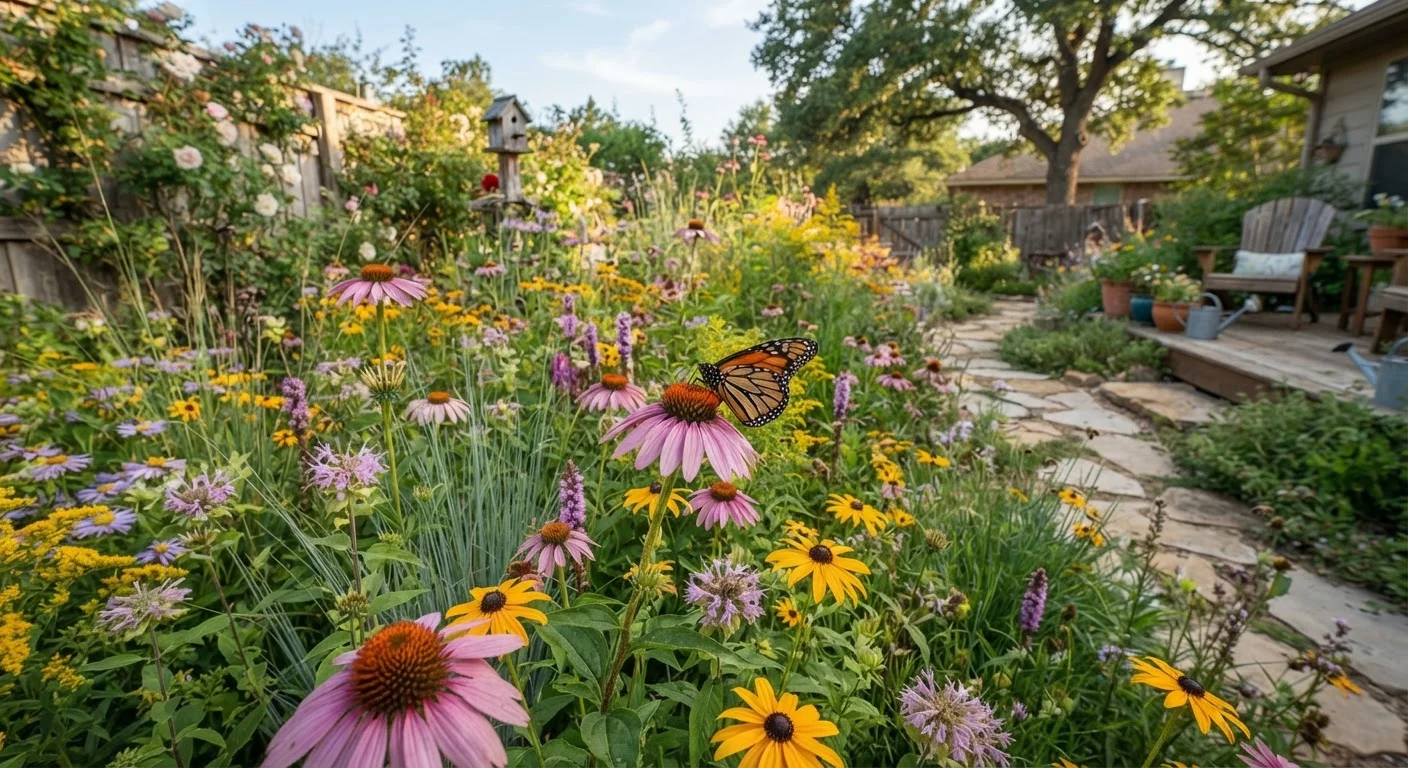
Photo credit: FaqInsider.com
In this article
Explore why planting native species can reduce watering, fertilizing, and pest control while supporting local wildlife and pollinators.
Key Takeaways
- Native plants are adapted to local soils and rainfall, reducing the need for supplemental watering and fertilizing.
- Establishing a native garden requires upfront investment in plant selection, sourcing, and site preparation.
- Native plants support local pollinators, birds, and beneficial insects better than most non-native ornamentals.
- Regional variation matters - a plant native to one U.S. state may not suit another's climate or soil.
- Mixing natives with thoughtful ground cover and mulch strategies can further reduce ongoing yard maintenance.
Reduced watering once plants are established
Native plants are adapted to regional rainfall patterns, meaning most require little to no supplemental irrigation after their first season or two. This can meaningfully reduce outdoor water use, particularly in drought-prone regions.
Little to no fertilizer needed
Because natives evolved in local soils, they're matched to existing nutrient levels. Adding synthetic fertilizer can actually cause problems - such as excessive leafy growth at the expense of blooms - so the standard advice is to skip it entirely.
Natural pest resistance reduces chemical use
Native plants have co-evolved with local insects, developing physical and chemical defenses against common pests. This doesn't mean zero pest pressure, but heavy infestations requiring chemical intervention are far less common.
Strong support for pollinators and local wildlife
Research consistently shows that native plantings support significantly more native bee species, butterflies, and birds than non-native ornamentals. Insects that rely on specific host plants - like monarch butterflies and milkweed - depend on native species for survival.
Long-term cost savings on yard maintenance
Lower water bills, reduced fertilizer and pesticide purchases, and fewer replanting cycles add up over time. The upfront investment in a well-designed native yard often pays dividends within a few seasons.
Improved soil health with minimal effort
Deep-rooted native plants - especially prairie grasses and wildflowers - build organic matter, improve drainage, and reduce erosion naturally. Their root systems can extend several feet into the soil, doing work no annual can match.
Demanding establishment period of one to three years
Native plants need consistent care while their root systems develop. Skipping watering or weeding during this window often leads to plant failure, discouraging gardeners before the low-maintenance phase begins.
Regional specificity makes plant selection complex
A plant labeled 'native' at a nursery may be native to a different part of the country. Using plants not matched to your specific ecoregion can undermine the ecological benefits and reduce plant performance.
Limited availability of true local-ecotype plants
Finding seed-grown natives from local stock - rather than commercially propagated varieties - requires research and often a visit to specialized native plant nurseries or plant sales. This raises the entry barrier for many homeowners.
Appearance may conflict with HOA or community norms
Native meadow-style gardens can look 'unmaintained' to neighbors accustomed to traditional turf lawns, and some homeowner associations have rules that restrict certain planting styles. Check local ordinances before committing to a full conversion.
Slower visible results than conventional landscaping
Unlike sod or fast-growing annuals, native plant gardens take time to fill in and display their full character. The payoff is real, but gardeners seeking instant curb appeal may feel frustrated during the establishment years.
What Makes a Plant 'Native' - and Why It Matters
A native plant is one that evolved naturally in a specific region over thousands of years - without human introduction. These plants developed alongside local soils, rainfall patterns, insects, and wildlife, creating relationships that non-native species simply haven't had time to build.
When you plant natives suited to your region, you're essentially working with your landscape's existing logic rather than overriding it. That distinction has practical consequences: native plants generally require less intervention to survive and thrive once established.
For a broader look at the ecological reasoning behind this approach, see The Case for Native Plants in American Home Landscapes.
Reduced watering once plants are established
Native plants are adapted to regional rainfall patterns, meaning most require little to no supplemental irrigation after their first season or two. This can meaningfully reduce outdoor water use, particularly in drought-prone regions.
Little to no fertilizer needed
Because natives evolved in local soils, they're matched to existing nutrient levels. Adding synthetic fertilizer can actually cause problems - such as excessive leafy growth at the expense of blooms - so the standard advice is to skip it entirely.
Natural pest resistance reduces chemical use
Native plants have co-evolved with local insects, developing physical and chemical defenses against common pests. This doesn't mean zero pest pressure, but heavy infestations requiring chemical intervention are far less common.
Strong support for pollinators and local wildlife
Research consistently shows that native plantings support significantly more native bee species, butterflies, and birds than non-native ornamentals. Insects that rely on specific host plants - like monarch butterflies and milkweed - depend on native species for survival.
Long-term cost savings on yard maintenance
Lower water bills, reduced fertilizer and pesticide purchases, and fewer replanting cycles add up over time. The upfront investment in a well-designed native yard often pays dividends within a few seasons.
Improved soil health with minimal effort
Deep-rooted native plants - especially prairie grasses and wildflowers - build organic matter, improve drainage, and reduce erosion naturally. Their root systems can extend several feet into the soil, doing work no annual can match.
The Real Challenges of Going Native
The promise of low maintenance is real - but it comes with an important asterisk: after establishment. The first one to three growing seasons often demand consistent watering, weeding, and monitoring while root systems develop. Many gardeners underestimate this transition period and abandon native plantings prematurely.
Sourcing is another genuine hurdle. True local ecotype natives - plants grown from seed stock originating in your specific region - can be harder to find than cultivated varieties at big-box nurseries. Cultivated native varieties (called nativars) may look similar but sometimes offer reduced wildlife benefit.
Pairing a native planting plan with the right weed suppression strategy can ease the establishment phase considerably. The Mulch vs. Ground Cover guide covers how organic mulch and living ground covers compare as weed barriers - both useful tools when starting a native bed.
Demanding establishment period of one to three years
Native plants need consistent care while their root systems develop. Skipping watering or weeding during this window often leads to plant failure, discouraging gardeners before the low-maintenance phase begins.
Regional specificity makes plant selection complex
A plant labeled 'native' at a nursery may be native to a different part of the country. Using plants not matched to your specific ecoregion can undermine the ecological benefits and reduce plant performance.
Limited availability of true local-ecotype plants
Finding seed-grown natives from local stock - rather than commercially propagated varieties - requires research and often a visit to specialized native plant nurseries or plant sales. This raises the entry barrier for many homeowners.
Appearance may conflict with HOA or community norms
Native meadow-style gardens can look 'unmaintained' to neighbors accustomed to traditional turf lawns, and some homeowner associations have rules that restrict certain planting styles. Check local ordinances before committing to a full conversion.
Slower visible results than conventional landscaping
Unlike sod or fast-growing annuals, native plant gardens take time to fill in and display their full character. The payoff is real, but gardeners seeking instant curb appeal may feel frustrated during the establishment years.
Designing a Native Yard That Actually Works
Success with native plants starts with your site, not a plant wishlist. Take stock of sun exposure, drainage, and existing soil conditions before selecting species. A rain garden planted with moisture-loving natives in a low-lying spot solves a drainage problem and creates habitat simultaneously - that's the kind of problem-solution pairing native landscaping does well.
Because many native plants are perennials, they return and expand year after year, reducing replanting costs over time. Understanding how perennials fit into a broader planting scheme is useful groundwork - the article on Perennials vs. Annuals explains how mixing both plant types shapes a garden's structure and seasonal color.
70%
Of U.S. land area converted from natural habitat
According to the U.S. Fish & Wildlife Service, roughly 70% of natural lands in the contiguous U.S. have been altered, making residential native plantings a meaningful part of broader conservation efforts.
4x
More native bee species in native plant gardens
Studies published in peer-reviewed ecology journals have found that yards with native plantings can support several times more native bee species than those planted primarily with non-native ornamentals.
30-50%
Potential reduction in outdoor water use
The EPA's WaterSense program estimates that conventional landscaping accounts for nearly one-third of residential water use, and that switching to regionally adapted plants can significantly cut that portion.
If your outdoor space is limited to a patio or balcony, native plants can still play a role in containers - though the selection narrows considerably. The Container Gardening on Patios and Balconies guide offers useful framing for working within tight spaces.
Native Doesn't Mean Hands-Off Forever
Even well-established native gardens benefit from annual tasks: cutting back dead stems in late winter, dividing spreading clumps every few years, and removing invasive weeds that can outcompete young plants. The goal is a dramatic reduction in routine maintenance - not complete elimination. Think of it as shifting from a high-frequency maintenance schedule to a seasonal one.

Author
Home & Garden Editorial Team
Home & Garden Editorial Team is the collective byline for our editorial team and contributor network. Articles published under this byline or an editorial pen name are researched, written, and reviewed according to our editorial standards for clarity, consistency, and independence before publication.
View all articles →