
Gardening Techniques That Actually Improve Soil Over Time
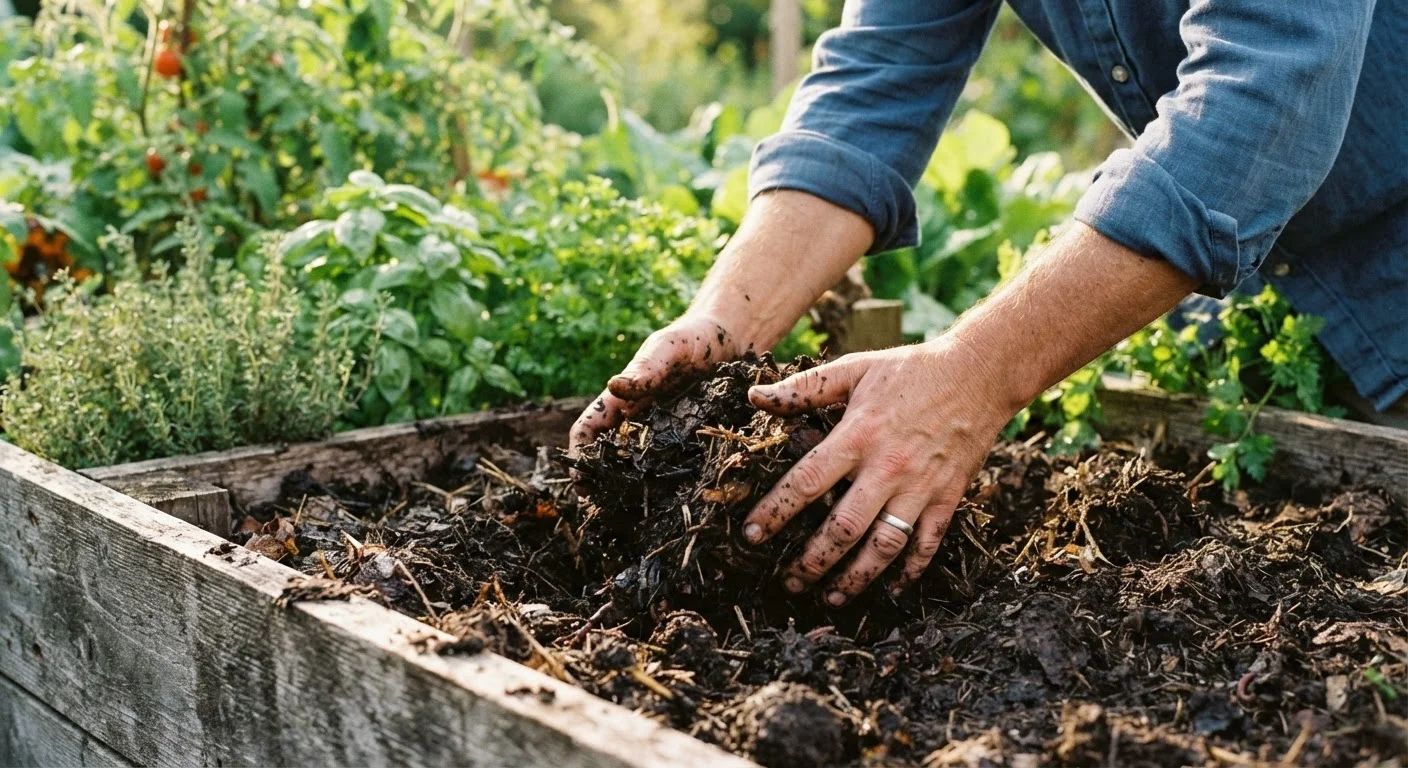
Photo credit: FaqInsider.com
In this article
Proven soil-building practices — from cover cropping to minimal tilling — that experienced gardeners rely on for long-term garden health.
Key Takeaways
- Healthy soil is built gradually through consistent organic inputs and minimal disturbance.
- Cover cropping, composting, and mulching work together to feed soil biology year-round.
- Reducing tillage preserves beneficial soil structure and the organisms that depend on it.
- Rotating plant families each season prevents nutrient depletion and breaks pest cycles.
- Testing your soil periodically gives you a baseline so you can track real improvement.
Why Soil Health Is the Foundation of Every Garden
Most garden problems - struggling plants, persistent pests, poor harvests - trace back to the soil beneath them. Soil isn't just a medium that holds roots in place; it's a living ecosystem of bacteria, fungi, earthworms, and organic matter that feeds plants and regulates water. When that ecosystem is healthy, plants grow with noticeably less effort.
The good news: improving soil is achievable for any home gardener, and the techniques that work best are also some of the simplest. Whether you're starting a vegetable garden from scratch or refining an established bed, the practices below will move your soil in the right direction over one to three seasons.
Soil Improvement Takes Time - That's Normal
Most gardeners notice meaningful changes in soil texture and plant performance after one to two full growing seasons of consistent amendments. If you're working with heavily compacted, depleted, or clay-heavy soil, three or more seasons is a realistic expectation. Progress is real even when it feels slow - stay consistent with organic inputs and reduced disturbance, and the results will follow.
Core Soil-Building Practices
The following practices reinforce each other. Compost feeds microbes; mulch conserves moisture for them; cover crops add organic matter that feeds the next cycle. Use as many as your space and schedule allow.
Add finished compost to beds at least once per season
Compost introduces organic matter, beneficial microorganisms, and a slow-release supply of nutrients. It also improves drainage in clay soils and water retention in sandy ones - making it the single most versatile amendment available to home gardeners.
Use cover crops during the off-season
Cover crops - plants like winter rye, clover, or buckwheat grown specifically to be turned back into the soil - prevent erosion, suppress weeds, and add significant organic matter when incorporated. Legume cover crops also fix atmospheric nitrogen, reducing what you need to add later.
Mulch beds consistently to protect surface soil
Bare soil loses moisture rapidly, erodes in rain, and sees dramatic temperature swings that stress plant roots and soil organisms alike. A layer of organic mulch moderates all three problems while slowly breaking down into humus. See our guide on mulch vs. ground cover for help choosing the right option.
Minimize tillage to protect soil structure
Frequent deep tilling breaks apart the fungal networks and pore structures that healthy soil depends on. It also brings weed seeds to the surface and accelerates the breakdown of organic matter. Shifting toward no-till or minimal-till methods preserves the work that soil organisms do for free.
Rotate plant families across growing seasons
Growing the same plant family in the same location year after year depletes specific nutrients those plants use heavily, and allows pests and pathogens that target them to build up in the soil. Rotation gives soil a chance to recover and breaks pest cycles naturally.
Understanding What You're Working With
Before committing to amendments, it helps to know what your soil actually needs. A basic soil test - available through most cooperative extension offices for a modest fee - measures pH, organic matter percentage, and key nutrient levels. Without this baseline, you risk adding inputs that aren't needed or missing a deficiency that's quietly holding your garden back.
Understanding soil pH and why your plants keep struggling is especially important because pH controls which nutrients plants can actually absorb - even when those nutrients are physically present in the soil. Retest every two to three years to track your progress.
1 tsp
Teaspoon of healthy soil contains
According to USDA estimates, a single teaspoon of healthy garden soil can contain up to one billion bacteria - illustrating why protecting soil biology matters.
5-10%
Ideal organic matter content for garden soil
Many horticultural guidelines suggest garden beds perform best when organic matter makes up roughly 5-10% of soil volume, though most suburban soils start well below this range.
Quick Wins You Can Start This Weekend
Long-term soil health is built slowly, but some actions have a meaningful impact right away. These quick wins establish habits that compound over time - and many cost little more than an afternoon of work.
For a deeper dive into one of the most powerful inputs you can make, see our guide on composting at home without the smell or the hassle. And if you want to understand how your fertilizer choices interact with soil biology, the comparison of organic vs. synthetic fertilizers is worth reading alongside this one.

Author
Home & Garden Editorial Team
Home & Garden Editorial Team is the collective byline for our editorial team and contributor network. Articles published under this byline or an editorial pen name are researched, written, and reviewed according to our editorial standards for clarity, consistency, and independence before publication.
View all articles →