
Container Gardening on Patios and Balconies
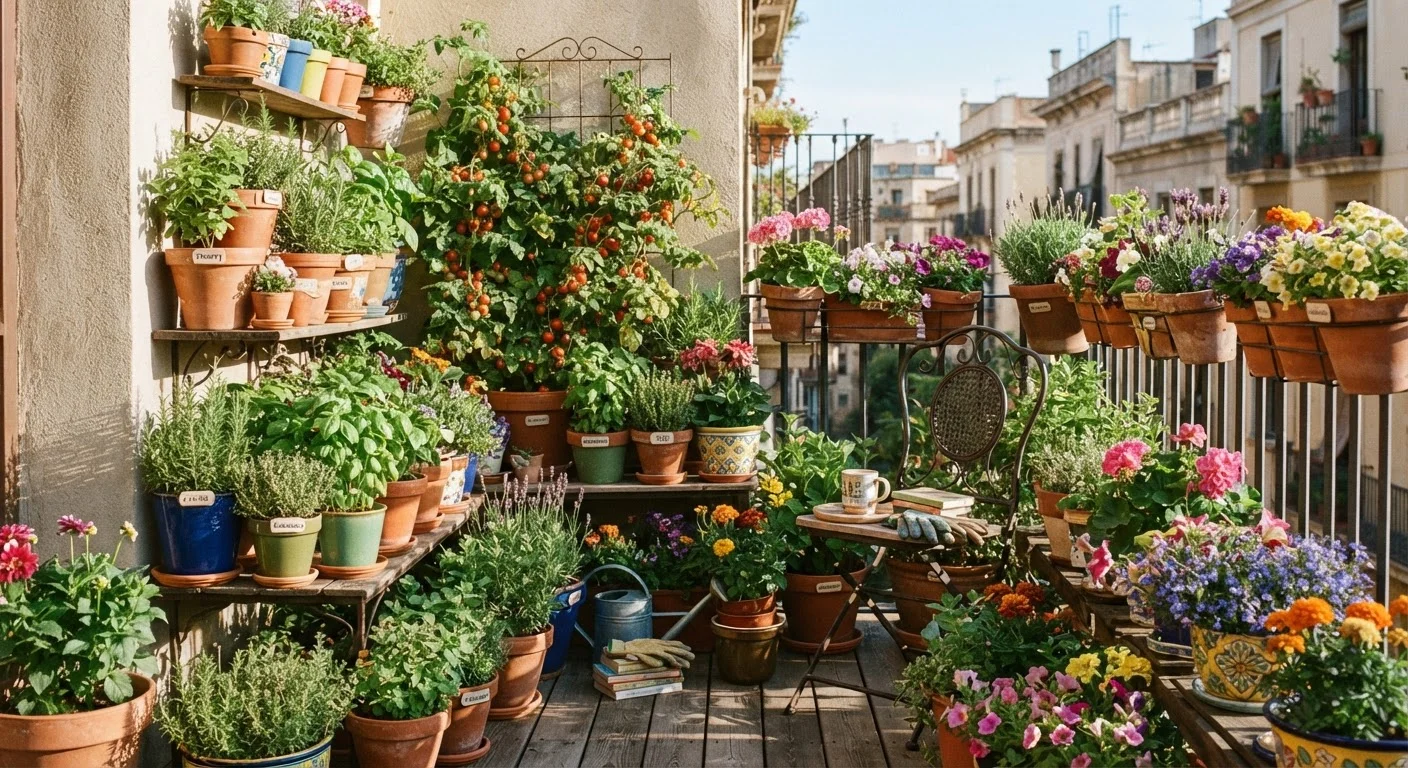
Photo credit: FaqInsider.com
In this article
Everything you need to know to grow vegetables, herbs, and flowers in pots — including drainage, soil mix, spacing, and watering strategies.
Key Takeaways
- Good drainage is the single most important factor in container gardening success.
- Use a quality potting mix - never garden soil - to keep roots healthy in confined spaces.
- Most vegetables and herbs need containers at least 10-12 inches deep to thrive.
- Container plants dry out faster than in-ground plants and typically need daily watering in summer.
- Regular fertilizing replaces nutrients that water leaches out of pots over time.
Why Container Gardening Works
Patios and balconies don't need to be gardening dead zones. With the right approach, container gardening lets you grow vegetables, herbs, and flowers in virtually any outdoor space - no ground required. You control the soil, the placement, and the conditions, which can actually make containers easier to manage than traditional beds.
That said, containers come with real constraints: limited root space, faster moisture loss, and restricted nutrient reserves. Understanding those trade-offs upfront is what separates a thriving patio garden from a collection of struggling pots. For gardeners interested in alternative low-effort outdoor growing, native plants can dramatically reduce upkeep for in-ground landscapes - but for patios and balconies, containers remain the practical go-to.
80%
U.S. households with some outdoor space
According to the National Gardening Association, the vast majority of American households have access to a patio, balcony, or yard suitable for gardening.
5-25 gal
Recommended container size for most vegetables
Cooperative Extension services widely recommend containers of at least 5 gallons for vegetables like tomatoes, with larger volumes producing significantly better yields.
2-3×
Faster moisture loss vs. in-ground beds
Horticulture educators note that containers can dry out two to three times faster than in-ground beds, making watering frequency a top management priority.
Choosing the Right Containers
Size matters more than material. A container that's too small will restrict root development and require watering multiple times a day in warm weather. As a general guideline:
- Herbs and lettuce: 6-8 inches deep, 6-8 inches wide per plant
- Tomatoes and peppers: At minimum 12-14 inches deep; 5-gallon containers are a reasonable starting point, though larger is better
- Root vegetables (carrots, radishes): At least 12 inches deep
- Dwarf fruit trees or large shrubs: 15-25 gallons
Material affects weight and moisture retention. Terracotta breathes well but dries quickly - a disadvantage on exposed balconies. Plastic retains moisture longer and weighs less, which matters on weight-load-limited balconies. Fabric grow bags have gained popularity for their air-pruning effect on roots. Whatever you choose, prioritize drainage holes over aesthetics.
When in doubt, size up your container. Most beginner mistakes involve pots that are too small, not too large - a bigger pot means a more forgiving moisture buffer and more root room.
Root restriction is a primary reason container vegetables underperform; extra soil volume also slows down drying between waterings, reducing maintenance burden.
Group containers together on your patio or balcony. Plants in close proximity create a more humid microclimate around their foliage, which reduces heat stress and moisture loss on hot days.
Transpiration from grouped plants raises local humidity slightly, which can measurably reduce water stress during warm-weather growing seasons.
Soil Mixes That Support Container Plants
Never fill containers with ordinary garden soil. In a pot, it compacts quickly, restricts airflow to roots, and drains poorly. A quality potting mix - formulated specifically for containers - stays loose and manages moisture appropriately.
Look for mixes that include perlite or vermiculite for drainage, plus some form of organic matter for nutrient retention. You can also blend your own: a common starting ratio is two parts commercial potting mix, one part perlite, and a small amount of compost for fertility. For guidance on building soil health long-term, proven soil-building techniques can supplement your container approach when you have in-ground space as well.
Refresh your potting mix every one to two growing seasons. Over time it breaks down, loses structure, and depletes nutrients even with regular feeding.
Drainage: The Non-Negotiable
Waterlogged roots are the leading cause of container plant death. Every container must have functional drainage holes - and they need to stay clear. Roots, compacted soil, and debris can block holes over time, so check periodically.
The common advice to layer gravel at the bottom of pots to improve drainage is actually a myth. Research in horticulture has consistently shown that gravel layers create a perched water table effect, where water pools just above the gravel rather than draining freely. Fill the entire container with your potting mix instead.
Use saucers to protect balcony surfaces, but empty them after watering - standing water in a saucer keeps roots wet. If your balcony has weight or water-runoff restrictions, check with your building or property manager before setting up a large container garden.
Check Balcony Weight Limits First
Large containers filled with wet soil can be surprisingly heavy - a 15-gallon pot can weigh 80 pounds or more when watered. Before setting up extensive container gardens on a balcony, consult your building's specifications or a structural professional to confirm the floor can safely support the load. Distribute weight near load-bearing walls or columns where possible.
What to Grow and How to Space It
Almost any plant that grows in a backyard garden can grow in a container - with the right pot size and care. Strong performers for patios and balconies include:
- Herbs: Basil, chives, mint (keep mint contained - it spreads aggressively), parsley, thyme, rosemary
- Vegetables: Cherry tomatoes, bush beans, lettuce and salad greens, kale, peppers, dwarf cucumbers
- Flowers: Marigolds, nasturtiums, petunias, zinnias - many also attract pollinators
Resist the urge to overcrowd pots for a fuller look. Plants need adequate airflow to resist disease, and competition for nutrients and water will weaken all plants in an overcrowded container. Seed packets and plant tags list spacing recommendations - honor them even in containers. If you're combining plants in one pot, companion planting pairings can help you pick combinations that support each other rather than compete.
Watering Strategies That Actually Work
Container plants dry out significantly faster than in-ground plants because they have less soil volume to buffer moisture loss. In summer heat, most containers need daily watering - sometimes more for small pots or windy balconies. The best test: push your finger an inch into the soil. If it's dry at that depth, it's time to water.
Water thoroughly - until it drains freely from the holes - rather than giving light, frequent sips. Shallow watering encourages shallow root growth and leaves lower roots dry. For balconies with many containers, a simple drip irrigation setup on a timer can be a practical solution. Drip irrigation vs. sprinkler systems offers a useful comparison if you're considering automating your watering.
Self-watering containers with built-in reservoirs can reduce daily watering demands and are worth considering if you travel or have irregular schedules.
Feeding Container Plants
Every time you water a container, some nutrients leach out through the drainage holes. Unlike in-ground plants that can tap deeper soil layers, container plants depend entirely on what's in the pot - so regular fertilizing is essential, not optional.
A balanced, slow-release granular fertilizer worked into the potting mix at planting gives plants a steady baseline. Supplement with a water-soluble fertilizer every two to three weeks during the active growing season. Heavy feeders like tomatoes and peppers benefit from more frequent application; herbs generally need less. Avoid over-fertilizing - it causes lush foliage at the expense of fruit and flowers, and can burn roots. Follow label directions and err on the lower end for container use. To enrich potting mixes naturally, finished compost is a gentle option - making your own compost gives you a steady, low-cost supply.
This article is for general informational and educational purposes only. Results from container gardening will vary based on local climate, sun exposure, plant selection, and other site-specific factors. Always verify any structural or weight-load concerns with a qualified professional before setting up large container gardens on balconies.

Author
Home & Garden Editorial Team
Home & Garden Editorial Team is the collective byline for our editorial team and contributor network. Articles published under this byline or an editorial pen name are researched, written, and reviewed according to our editorial standards for clarity, consistency, and independence before publication.
View all articles →