
Starting a Vegetable Garden from Scratch
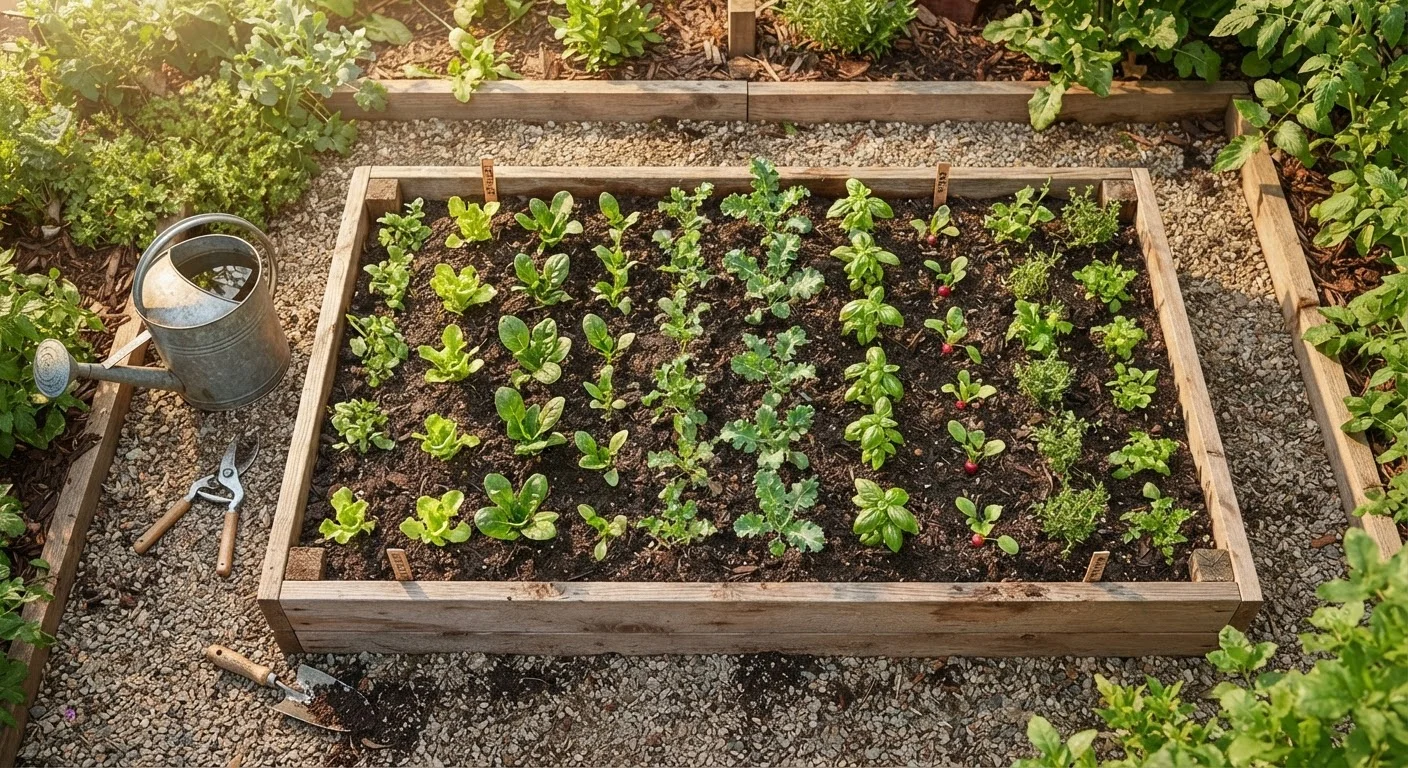
Photo credit: FaqInsider.com
In this article
A complete introduction to planning, preparing, and planting your first vegetable garden — from choosing a site to your first harvest.
Key Takeaways
- Most vegetables need at least six hours of direct sunlight daily to produce well.
- Healthy soil is the single most important factor in a productive vegetable garden.
- Starting small - even an 4×8-foot bed - reduces overwhelm and builds real skills.
- Beginner-friendly crops like lettuce, beans, and zucchini reward new gardeners quickly.
- Consistent watering at soil level, not on leaves, prevents most common plant diseases.
Choosing the Right Spot
Location is everything in vegetable gardening. Most vegetables - especially fruiting crops like tomatoes, peppers, and cucumbers - require a minimum of six hours of direct sunlight each day. Walk your yard at different times and observe where shade falls; a spot that looks bright in the morning may be heavily shaded by afternoon.
Beyond sun, look for a location with good drainage. Vegetables grown in waterlogged soil are prone to root rot and disease. Avoid low-lying areas where water pools after rain. Proximity to a water source is also worth considering - hauling a heavy hose across the yard gets old fast.
No Yard? No Problem
A lack of traditional garden space doesn't mean you can't grow vegetables. Containers on a sunny patio or balcony can support a surprisingly productive kitchen garden. Start with one or two large pots before committing to more.
If your only viable space is a patio or balcony, don't give up. Our guide to container gardening in small spaces walks through everything from soil mixes to plant selection for tight footprints.
Understanding and Preparing Your Soil
Soil is the foundation of every productive garden. Before planting, it helps to understand what you're working with. Healthy garden soil is dark, crumbly, and smells faintly earthy - it holds moisture without becoming soggy and drains well enough not to drown roots.
Inexpensive soil test kits, available at most garden centers, can reveal your soil's pH and basic nutrient levels. Most vegetables thrive in a pH range of 6.0-7.0. If your soil is too acidic, ground limestone can help raise pH; if it's too alkaline, sulfur can bring it down.
pH
A scale from 0-14 that measures how acidic or alkaline your soil is. Most vegetables grow best in slightly acidic to neutral soil, roughly between 6.0 and 7.0.
Organic matter
Decomposed plant or animal material - like compost or aged manure - mixed into soil to improve its structure, nutrient content, and ability to hold moisture.
Hardiness Zone
A geographic classification system used in the U.S. to indicate average minimum winter temperatures. Gardeners use it to determine which plants will survive in their area and when to plant.
Direct sowing
Planting seeds directly into the outdoor garden bed rather than starting them indoors in containers first. Some crops grow better when sown this way.
Transplant
A young plant that was started indoors or in a nursery and then moved into the garden. Transplanting gives warm-season crops a head start on the growing season.
Mulch
A layer of material - such as straw, wood chips, or shredded leaves - spread over bare soil to retain moisture, regulate temperature, and reduce weed growth.
Regardless of your soil type, the most universally effective improvement is adding organic matter - compost, aged manure, or leaf mold. Work 2-4 inches of compost into the top 8-12 inches of soil before planting. This improves drainage in clay-heavy soils and water retention in sandy ones. To learn soil-building practices you can maintain year after year, see our article on gardening techniques that improve soil over time. And if you want to produce your own compost, our home composting guide is a practical place to start.
Planning What to Grow
Resist the urge to plant everything at once. A thoughtfully planned small garden will outperform a chaotic large one every season. Start by listing vegetables your household actually eats, then narrow down based on your climate and available space.
For beginners, focus on crops with a reputation for ease and reliability:
- Lettuce and salad greens - fast-growing, harvest in as little as 30 days
- Radishes - ready in three to four weeks, great confidence builders
- Bush beans - low-maintenance, no staking required
- Zucchini - prolific producers with minimal fuss
- Cherry tomatoes - more forgiving than large varieties, heavy yields
Pay attention to spacing requirements on seed packets. Crowded plants compete for water and nutrients, and poor airflow promotes disease. A 4×8-foot raised bed can comfortably support a productive mix of the crops listed above.
Planting, Watering, and Early Care
Seeds can be started indoors several weeks before your region's last frost date, or direct-sown into prepared beds as the season allows. Tomatoes and peppers benefit from an indoor head start of six to eight weeks; beans and squash generally prefer to be sown directly where they'll grow.
When transplanting seedlings, water them in thoroughly immediately after planting to settle the soil around roots and reduce transplant stress. For the first week, check soil moisture daily - seedlings are especially vulnerable while establishing.
Aim to water at the base of plants rather than overhead. Wet foliage overnight is a common driver of fungal diseases like powdery mildew. Drip irrigation or a simple soaker hose makes this easy and conserves water. One inch of water per week is a useful general guideline, though hot, dry spells may require more.
Mulching around plants with straw or shredded leaves helps retain soil moisture, suppresses weeds, and keeps soil temperatures more stable - a simple step that pays consistent dividends.
Common Beginner Mistakes to Avoid
Even experienced gardeners make these missteps occasionally - knowing them in advance puts you well ahead:
- Planting too much too soon. Overplanting leads to overwhelm, wasted produce, and burnout. Start with what you can realistically maintain.
- Skipping soil preparation. Planting directly into hard, nutrient-poor ground is the most common reason first gardens underperform. Invest time here first.
- Inconsistent watering. Irregular watering - feast and famine - stresses plants and causes issues like blossom end rot in tomatoes. Consistency matters more than volume.
- Ignoring plant spacing. Crowded plants are weaker, harder to harvest, and more disease-prone. Follow spacing guidelines even when seedlings look tiny at first.
- Giving up after one failure. Every gardener loses plants. Poor germination, pest damage, and weather surprises are part of the process. Each season teaches you something.
Starting a vegetable garden is genuinely one of the most rewarding home projects you can take on. With a suitable site, prepared soil, and a modest first planting, you'll have everything you need to grow food with confidence this season - and better results every year after.
Frequently Asked Questions

Author
Home & Garden Editorial Team
Home & Garden Editorial Team is the collective byline for our editorial team and contributor network. Articles published under this byline or an editorial pen name are researched, written, and reviewed according to our editorial standards for clarity, consistency, and independence before publication.
View all articles →