
Things Pet Owners Commonly Get Wrong About Portion Sizes
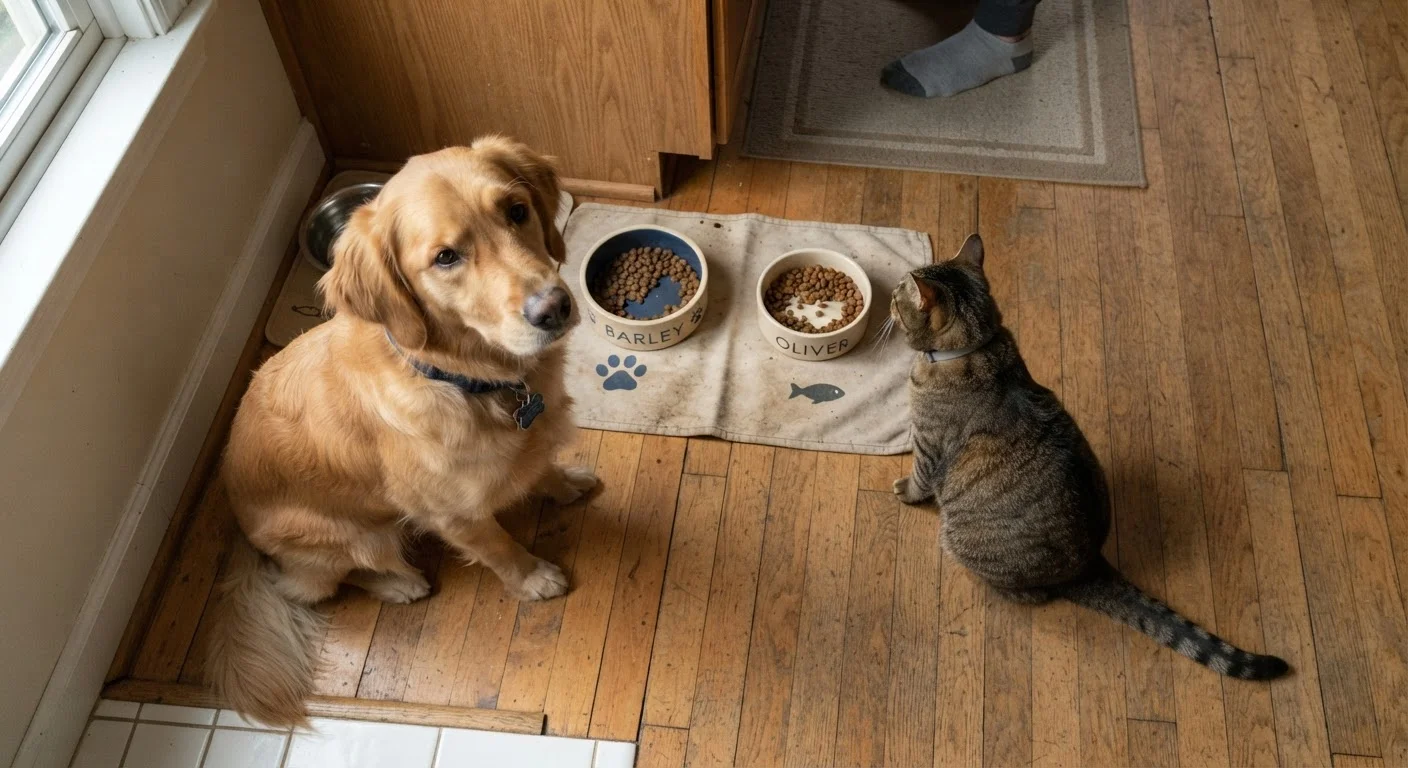
Photo credit: FaqInsider.com
Overfeeding is one of the most widespread pet health issues in the U.S. Find out why portion guidance often gets misread and what to do instead.
Key Takeaways
- Feeding guidelines on pet food packaging are starting points, not precise prescriptions for every animal.
- Treats count toward a pet's daily calorie intake and are frequently overlooked in portion calculations.
- Body condition scoring is a more reliable tool than weight alone for assessing whether a pet is at a healthy size.
- Caloric needs change significantly with a pet's age, activity level, and reproductive status.
- Consulting a veterinarian is the most reliable way to establish an appropriate feeding plan for your specific pet.
Why Portion Mistakes Are So Common
Overfeeding is widely recognized as one of the leading contributors to preventable health problems in dogs and cats across the United States. Yet most owners aren't overfeeding out of negligence - they're doing what seems logical, following label directions, and showing their pets love through food. The problem is that several deeply held assumptions about portions are simply inaccurate.
Understanding where those assumptions go wrong is the first step toward feeding your pet more accurately. For a broader look at how popular beliefs can quietly undermine pet care, see our guide on widely believed pet health myths.
Treating package feeding guidelines as a precise daily prescription.
Why it happens: Labels display ranges calculated for an average animal of a given weight, which makes them seem authoritative and specific. Most owners assume those numbers apply directly to their pet.
Forgetting to count treats in the daily calorie total.
Why it happens: Treats feel separate from meals - they're used for training, bonding, or reward, so owners mentally categorize them differently than food.
Relying on body weight alone to judge whether a pet is the right size.
Why it happens: Weight is easy to measure and feels objective. But a 50-pound dog can be either lean and athletic or carrying significant excess fat depending on breed and frame.
Not adjusting portions after a pet is spayed or neutered.
Why it happens: Many owners continue feeding the same amounts before and after the procedure, unaware that the surgery affects metabolism and energy requirements.
Eyeballing portion sizes rather than measuring consistently.
Why it happens: Once an owner establishes a routine, pouring by feel becomes habitual and faster. Small daily overages don't feel significant in the moment.
Getting Portions Right: What Actually Works
Accurate portioning starts with understanding that feeding is not static - it's a moving target that shifts as your pet ages, gains or loses weight, or changes activity levels. A few practical habits make a meaningful difference.
Use a kitchen scale or measuring cup consistently. Studies on pet feeding behavior have found that owners using volume estimation (a "handful" or a "scoop") regularly overshoot recommended amounts. Measuring tools remove that guesswork.
Learn body condition scoring (BCS). This is a standardized 9-point scale - widely used by veterinarians - that assesses fat coverage over ribs, waist definition, and abdominal tuck. You don't need a clinic visit to do a basic check: you should be able to feel your pet's ribs without pressing hard, but not see them prominently. Your vet can walk you through a hands-on assessment at your next visit.
Track treats as part of the daily total. A common guideline is that treats should account for no more than 10% of a pet's daily caloric intake. If you don't know the calorie count of the treats you're giving, check the packaging or ask your veterinarian.
~60%
U.S. dogs and cats assessed as overweight or obese
According to the Association for Pet Obesity Prevention's annual surveys, roughly 60% of cats and over 55% of dogs in the U.S. are classified as overweight or obese by their veterinarians.
10%
Maximum recommended treat share of daily calories
Most veterinary nutritionists suggest treats should make up no more than 10% of a pet's total daily caloric intake to avoid unbalancing the diet.
Feeding schedules also interact closely with portion accuracy - how often you feed affects how much each meal should contain. Our article on common feeding schedule mistakes covers that relationship in detail. And if you're weighing food format decisions alongside portions, wet food vs. dry food explores how caloric density differs between formats.
This article is for general informational purposes only and is not a substitute for personalized veterinary advice. Always consult a licensed veterinarian before making significant changes to your pet's diet or feeding routine.

Author
Pets & Animals Editorial Team
Pets & Animals Editorial Team is the collective byline for our editorial team and contributor network. Articles published under this byline or an editorial pen name are researched, written, and reviewed according to our editorial standards for clarity, consistency, and independence before publication.
View all articles →