
Mental Enrichment for Indoor Pets: Why Boredom Is a Health Issue
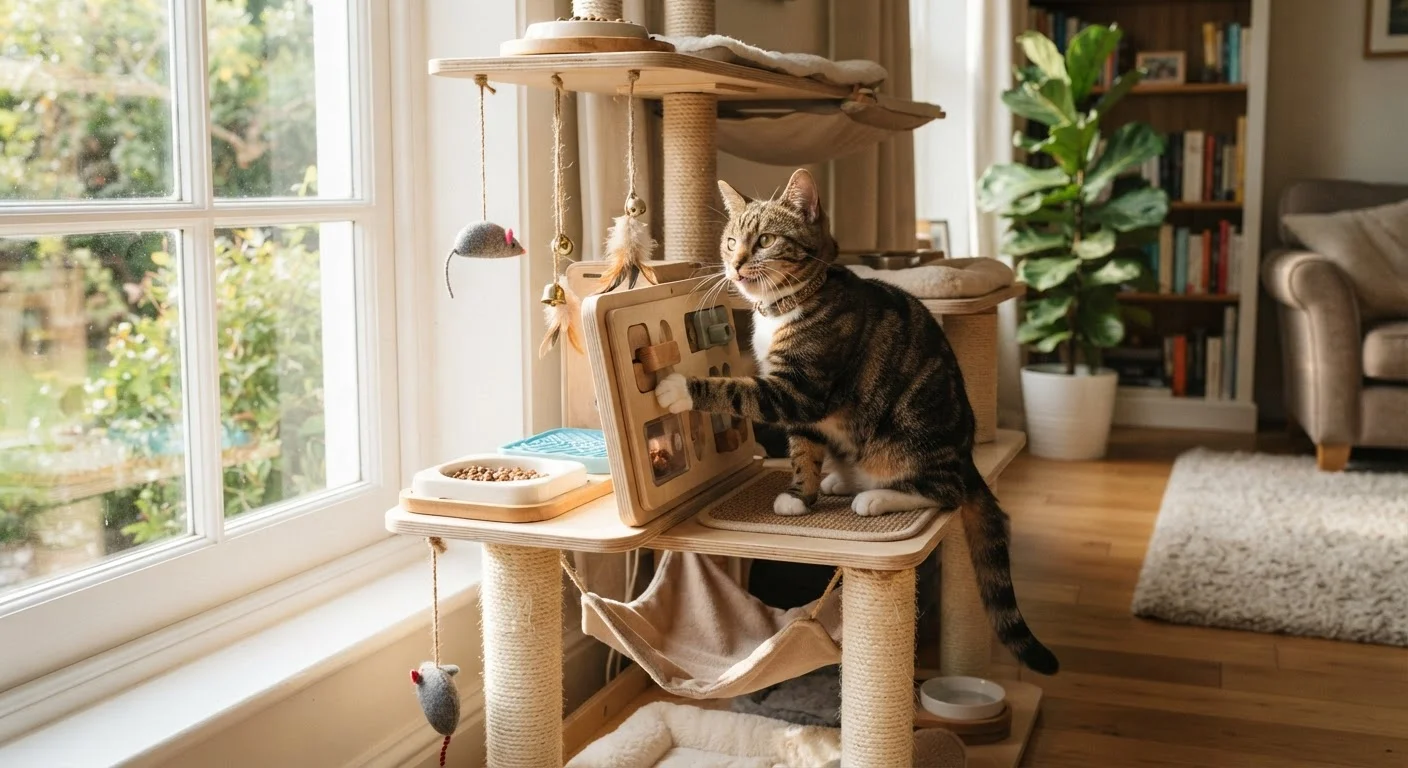
Photo credit: FaqInsider.com
In this article
Indoor pets need more than food and shelter. Discover why mental stimulation matters and practical ways to provide it.
Key Takeaways
- Boredom in indoor pets is a genuine health concern, not just a behavioral inconvenience.
- Destructive behavior, excessive vocalizing, and lethargy are common signs of understimulation.
- Mental enrichment can be low-cost and takes only a few minutes of intentional effort each day.
- Rotating activities and varying sensory input keeps stimulation effective over time.
- Different species have different enrichment needs - one approach does not fit all pets.
Boredom Is More Than Just Restlessness
When a dog chews through a couch cushion or a cat knocks every item off a shelf, owners often label it as "bad behavior." But in many cases, the root cause is something simpler and more correctable: the animal's brain isn't getting enough to do. Mental understimulation - chronic boredom - can trigger stress responses in pets that look almost identical to anxiety disorders, and over time, that stress takes a real physical toll.
Research in animal behavior consistently links environmental enrichment to lower stress hormone levels, healthier immune function, and fewer compulsive behaviors in companion animals. In other words, a stimulated pet isn't just a happier pet - it's a healthier one. For indoor pets in particular, where natural stimulation like scent trails, varied terrain, and wildlife encounters is absent, owners have to deliberately fill that gap.
Recognizing the Signs of an Understimulated Pet
Before you can address boredom, you need to recognize it. The signs vary by species and individual temperament, but some patterns show up consistently across dogs, cats, and small animals alike.
70%+
Pet owners reporting behavioral issues linked to boredom
Surveys of veterinary behaviorists consistently indicate that a large majority of common behavioral complaints in dogs and cats have environmental understimulation as a contributing factor.
5-10 min
Daily training time to reduce stress behaviors
Animal behavior experts generally agree that just five to ten minutes of structured mental activity per day can produce measurable reductions in anxiety-driven behaviors in companion animals.
In dogs, look for excessive barking or whining, destructive chewing, digging at floors or furniture, or a restless inability to settle even when tired. Some dogs develop repetitive behaviors - spinning, pacing, or obsessive licking - that signal their minds are searching for something to engage with.
In cats, boredom often looks like aggression toward housemates, over-grooming to the point of hair loss, or a flat, withdrawn demeanor where the cat stops showing interest in play or interaction. Excessive vocalization, especially at night, is another red flag.
Small animals like rabbits, guinea pigs, and hamsters may bar-chew obsessively, pace their enclosures, or become lethargic and withdrawn. These behaviors are frequently misread as personality traits rather than environmental signals.
See our deeper breakdown of enrichment by species for more on what understimulation looks like across different pets.
Best Practices for Providing Daily Mental Enrichment
The good news: enrichment doesn't require expensive equipment or hours of effort. What matters most is consistency and variety. The following practices form a solid foundation for any indoor pet owner.
Use food puzzles and foraging activities at mealtimes instead of a standard bowl.
Feeding from a puzzle engages problem-solving instincts and slows eating, which benefits digestion. It also gives the animal a genuine sense of accomplishment - an important emotional need that standard bowl-feeding skips entirely.
Rotate toys on a weekly schedule rather than leaving everything available at once.
Constant access to the same items leads to rapid habituation - pets stop engaging because nothing feels new. Rotation restores novelty without requiring new purchases, making it one of the most cost-effective enrichment strategies available.
Introduce species-appropriate sensory enrichment, including scent, sound, and visual stimulation.
Pets experience the world primarily through senses that often go understimulated indoors. Engaging these senses - safely and appropriately - reduces restlessness and satisfies natural investigative instincts without requiring physical exertion.
Incorporate short, structured training sessions into the daily routine.
Learning new cues or practicing known ones uses significant mental energy and strengthens the bond between pet and owner. Even five minutes of focused training is more mentally tiring for most dogs and cats than an hour of passive rest.
Provide safe opportunities for independent exploration within the home environment.
Pets need agency - the ability to make choices - to maintain psychological wellbeing. Environments that offer nothing to investigate or navigate leave animals in a state of passive helplessness, which contributes to stress over time.
For a practical framework on timing enrichment activities throughout the day, building a structured daily routine makes it far easier to stay consistent without feeling overwhelmed.
Getting Started Without Overcomplicating It
One of the biggest barriers to enrichment is the mistaken belief that it requires elaborate setups. In reality, many of the most effective enrichment activities cost nothing. Rotating which toys are available - rather than leaving all of them out permanently - restores novelty and rekindles interest. Feeding meals from a puzzle feeder instead of a bowl turns a routine activity into a problem-solving session. Letting a dog sniff freely during a walk rather than maintaining a brisk pace satisfies a deep cognitive need in minutes.
The goal isn't to entertain your pet every waking moment - it's to ensure their environment gives them genuine choices, sensory variety, and opportunities to use their instincts. Start small, observe what genuinely engages your individual animal, and build from there. For broader context on what pets actually need to stay mentally stimulated, the fundamentals are more accessible than most owners expect.
Explore more practical guidance in our Pet Care Basics hub and Pet Training & Behavior hub for techniques that support a calmer, more engaged pet at home.

Author
Pets & Animals Editorial Team
Pets & Animals Editorial Team is the collective byline for our editorial team and contributor network. Articles published under this byline or an editorial pen name are researched, written, and reviewed according to our editorial standards for clarity, consistency, and independence before publication.
View all articles →