
The First 30 Days With a New Dog: A Training Roadmap
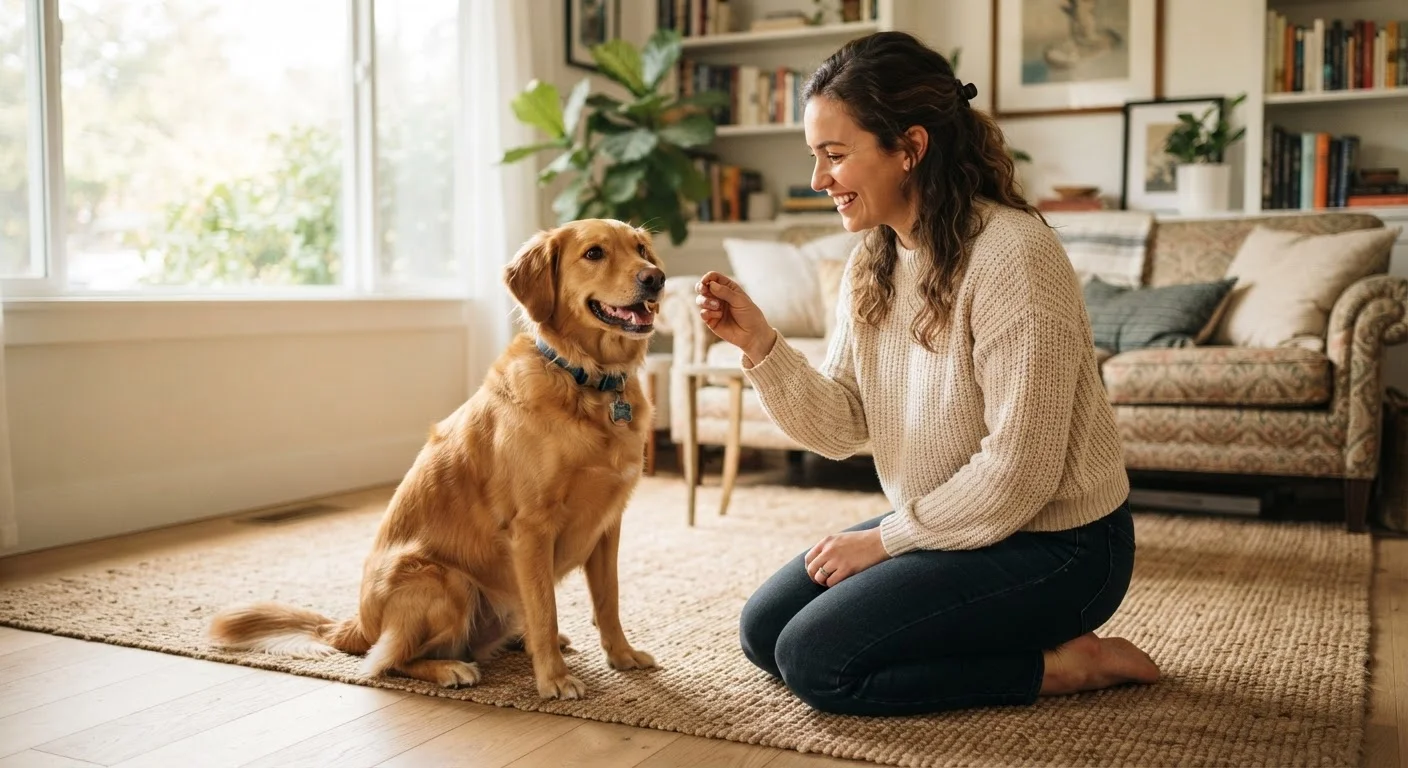
Photo credit: FaqInsider.com
In this article
What to prioritize, what to skip, and how to build trust with a new dog during the crucial settling-in period — without overwhelming either of you.
Key Takeaways
- The first week should prioritize safety and decompression, not formal training.
- A consistent daily routine is more powerful than any individual training exercise.
- Short, positive sessions of 5-10 minutes are more effective than long, intense ones.
- Many problem behaviors in new dogs are temporary stress responses, not permanent traits.
- Avoid overwhelming your dog with too many new experiences or commands at once.
Why the First 30 Days Matter So Much
Bringing a dog home is exciting - but for your dog, it can be disorienting and even stressful. Every smell, sound, and face is unfamiliar. The habits, boundaries, and trust you build in this first month lay the groundwork for everything that comes after.
This is not the time to rush through a training checklist. It is the time to help your dog feel safe enough to learn. A dog that doesn't feel secure cannot absorb new information effectively - stress and learning work against each other. Think of the first 30 days less as a training sprint and more as the foundation pour before you build anything on top.
See what the full adjustment period looks like for a broader picture of this transition, including what is normal and what warrants attention.
Decompression period
A window of time - typically one to three weeks - when a newly adopted dog adjusts to its new environment. During this phase the dog may seem withdrawn, anxious, or unusually quiet as it processes the change.
Positive reinforcement
A training approach where desired behaviors are rewarded (with treats, praise, or play) so the dog is motivated to repeat them. No punishment is used.
Crate conditioning
A gradual process of teaching a dog to feel comfortable and safe in a crate by associating it with positive experiences, rather than forcing the dog inside.
Recall
The trained behavior of coming to the owner reliably when called. A strong recall is considered one of the most important safety skills a dog can learn.
Luring
A training technique where a treat is used to guide the dog's body into a desired position or movement, such as moving a treat over a dog's head to prompt a sit.
Week One: Slow Down and Let Your Dog Settle
Your primary job in week one is containment and calm - not commands. Set up a designated safe space (a crate, a gated room, or a quiet corner) where your dog can retreat without being bothered. Keep the household calm, limit visitors, and resist the urge to show your new dog everything at once.
What you can do this week:
- Establish a consistent schedule for feeding, potty breaks, and sleep. Predictability is deeply reassuring to dogs.
- Practice name recognition casually - say the name, reward any glance toward you with a small treat or calm praise.
- Begin crate conditioning if you plan to use one - keep the door open at first, toss treats inside, never force entry.
- Watch and learn. Observe what makes your dog comfortable or anxious. This knowledge will shape everything that follows.
Also schedule a veterinary visit this week if one has not already happened. Your first-month health checklist can help you prepare for that appointment and track essential health steps alongside your training progress.
The 3-3-3 Rule Is a Helpful Mental Model
Many trainers reference a loose guideline: dogs often take about 3 days to feel less panicked, 3 weeks to settle into a routine, and 3 months to feel truly at home. This is a general pattern, not a guarantee - every dog is different. But it's a useful reminder not to judge your dog's temperament or potential too early.
Weeks Two and Three: Building Routine and First Skills
Once your dog shows signs of relaxing - seeking you out voluntarily, sleeping soundly, eating well - you can layer in short structured sessions. Keep them to five to ten minutes and always end while your dog is still engaged and succeeding.
Focus on these foundational behaviors:
- Sit - the classic starting point. Lure with a treat, reward the moment the bottom touches the ground, and name the behavior once it's reliable.
- Come (recall) - start indoors with no distractions. Call the name, take a step back, reward enthusiastically when your dog arrives. A reliable recall is a safety skill, not just a party trick.
- Leash manners - begin in the yard or a quiet hallway before heading to the street. Reward your dog for staying near your side without pulling.
Everything at this stage works best using positive reinforcement - rewarding the behavior you want rather than punishing the behavior you don't. If you're new to this approach, this beginner's guide to training basics covers the foundational concepts in plain language.
Week Four: Raising the Bar Gradually
By week four, most dogs have found their footing. They know the schedule, they're reading your cues, and their real personality is starting to emerge. Now you can begin introducing mild challenges.
- Add distraction gradually. Practice sit and come in the backyard, then on a quiet sidewalk, then near mild foot traffic.
- Extend duration. Ask your dog to hold a sit a beat longer before rewarding. The stay command guide explains how to build duration, distance, and distraction in a structured way.
- Introduce one new skill at a time - down, leave it, or place are all good candidates.
You may also notice that some early anxious behaviors have faded. If concerns remain - particularly around fear responses or reactivity - this is a good time to consult a certified professional trainer. Understanding fear periods can also help you distinguish normal developmental behavior from something that needs professional support.
Don't Confuse Boldness With Readiness
A dog that appears confident and easygoing in week one may simply be in a shut-down state, not yet showing its full personality. Some dogs "open up" in weeks two through four and begin displaying behaviors - jumping, barking, pulling - that weren't visible at first. This is normal and not a sign that training has failed. Adjust your expectations and continue building structure consistently.
What to Skip in the First Month
Knowing what not to do is just as valuable as knowing what to do. Here is what most dogs - and most owners - are better off skipping in the first 30 days:
- Off-leash dog parks
- Too many unpredictable variables for a dog still learning to trust you. A rough early experience can create lasting fear or reactivity.
- Punishment-based corrections
- Yelling, leash jerking, or physical corrections undermine the trust you're working to build. They also don't address the underlying cause of a behavior.
- Rushing socialization
- Socialization matters enormously, but flooding a new dog with strangers, new dogs, and strange environments before they're settled can backfire. Gradual and positive is always the better path.
- Skipping the prep work
- Before any new training milestone, run through the readiness checklist for training sessions to make sure your environment, timing, and mindset are set up for success.
The first 30 days are not about perfection - they're about connection. Go at your dog's pace, celebrate small wins, and remember that consistency over time is more powerful than any single training session.
Frequently Asked Questions

Author
Pets & Animals Editorial Team
Pets & Animals Editorial Team is the collective byline for our editorial team and contributor network. Articles published under this byline or an editorial pen name are researched, written, and reviewed according to our editorial standards for clarity, consistency, and independence before publication.
View all articles →