
Before You Depart: A Budget Traveler's Pre-Trip Financial Checklist
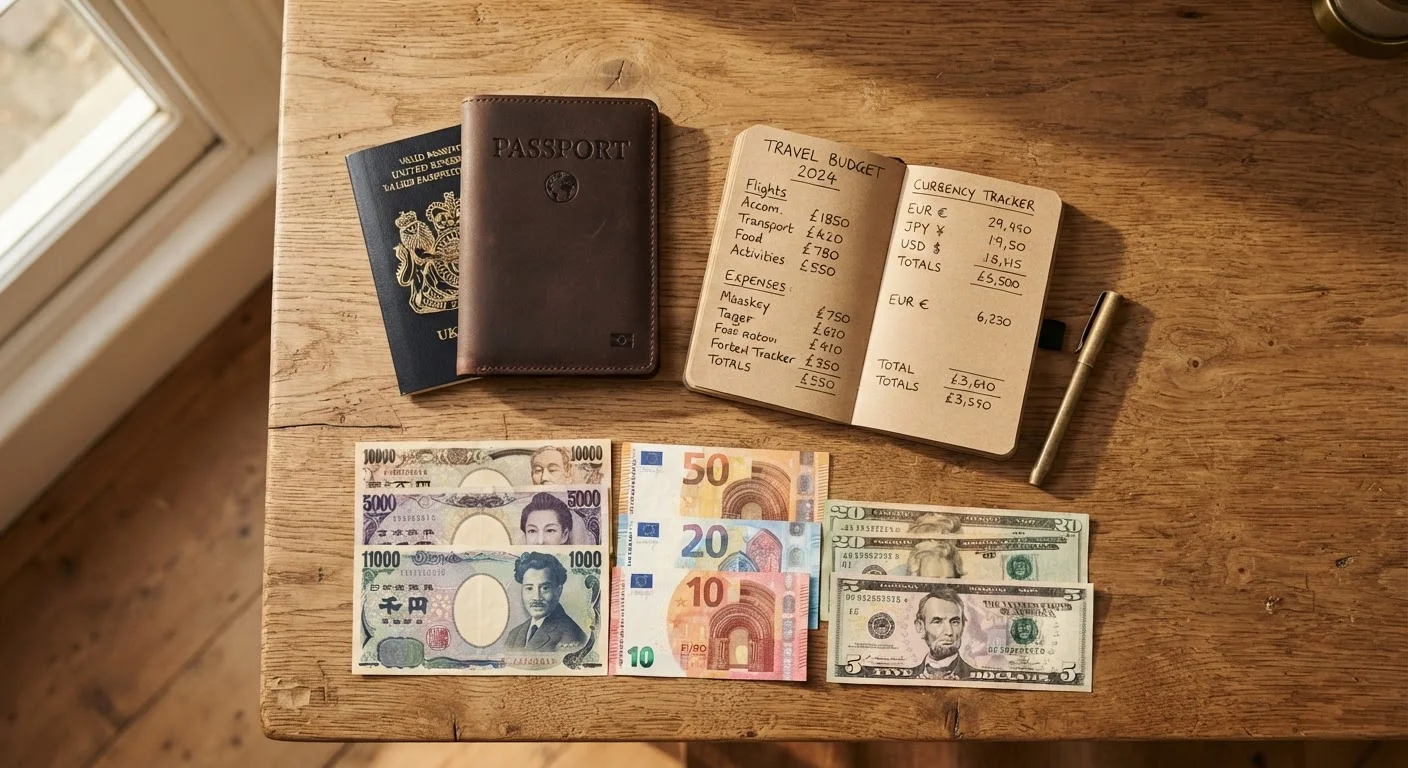
Photo credit: FaqInsider.com
In this article
Notify your bank, understand your card's foreign fees, set a daily spending limit—a practical checklist to handle the financial side before you leave.
Key Takeaways
- Notify your bank and credit card issuers before departure to prevent fraud blocks on your accounts.
- Understanding your card's foreign transaction fees can save you 1-3% on every purchase abroad.
- Setting a realistic daily spending limit before you leave helps prevent budget overruns mid-trip.
- Carrying a small amount of local currency for arrival day avoids costly airport exchange kiosks.
- An emergency fund buffer - separate from your travel budget - provides a safety net for the unexpected.
Why Financial Prep Belongs at the Top of Your Packing List
Most travelers spend hours researching hotels and itineraries but less than twenty minutes thinking about how money will actually flow during the trip. That oversight costs them - sometimes hundreds of dollars in avoidable fees, blocked cards, or last-minute cash scrambles. Getting your finances organized before departure is one of the highest-return things you can do for your travel budget.
This checklist covers every financial task worth completing before you walk out the door, from contacting your bank to setting a daily spending ceiling. For a broader look at everything else on your pre-departure to-do list, see our comprehensive pre-departure guide. And if you're still weighing whether to lean on cards or cash while abroad, our guide on carrying cash vs. using cards abroad covers the tradeoffs in detail.
Bank & Card Preparation
Currency & Cash Strategy
Budget Setup & Spending Limits
Emergency Fund & Safety Net
Tools That Make Financial Prep Easier
You don't need sophisticated software to work through this checklist - most tasks require nothing more than your phone and a few minutes of focused attention. That said, the right tools help you stay organized and avoid repeat oversights.
Bank or Credit Union Mobile App
Use it to set travel notifications, check foreign transaction fee policies, and monitor account activity in real time while abroad.
Spreadsheet or Notes App
Track your daily spending limit, log expenses each evening, and compare actuals against your pre-trip budget.
Currency Conversion Reference
A basic currency converter (available through most phone operating systems) helps you sanity-check prices and spot poor exchange rates.
Secure Travel Wallet or Money Belt
Keeps cards, cash, and key documents organized and reduces pickpocket risk in busy tourist areas.
Travel Insurance Policy Documents
Store a digital and printed copy so you can quickly reference coverage limits and emergency claim procedures if something goes wrong.
Once you've assembled your tools, work through the checklist methodically at least one week before departure. That window gives you time to order foreign currency from a bank or credit union (often at better rates than airport kiosks), resolve any card issues, and adjust your budget if your research surfaces unexpected costs. Travelers who skip this window often end up scrambling - and that's exactly when budgets start to fall apart mid-trip.
Don't Wait Until the Day Before You Leave
Ordering foreign currency, resolving card issues, and researching ATM networks all take time. Banks may need several business days to fulfill a foreign currency order, and customer service queues can be long. Give yourself at least one full week before departure to complete every item on this checklist without rushing.
For the full picture of pre-trip logistics beyond finances, the pre-departure checklist every traveler should run through is a useful companion resource.

Author
Travel Editorial Team
Travel Editorial Team is the collective byline for our editorial team and contributor network. Articles published under this byline or an editorial pen name are researched, written, and reviewed according to our editorial standards for clarity, consistency, and independence before publication.
View all articles →