
Before You Leave: A Pre-Trip Financial Checklist for Budget Travelers
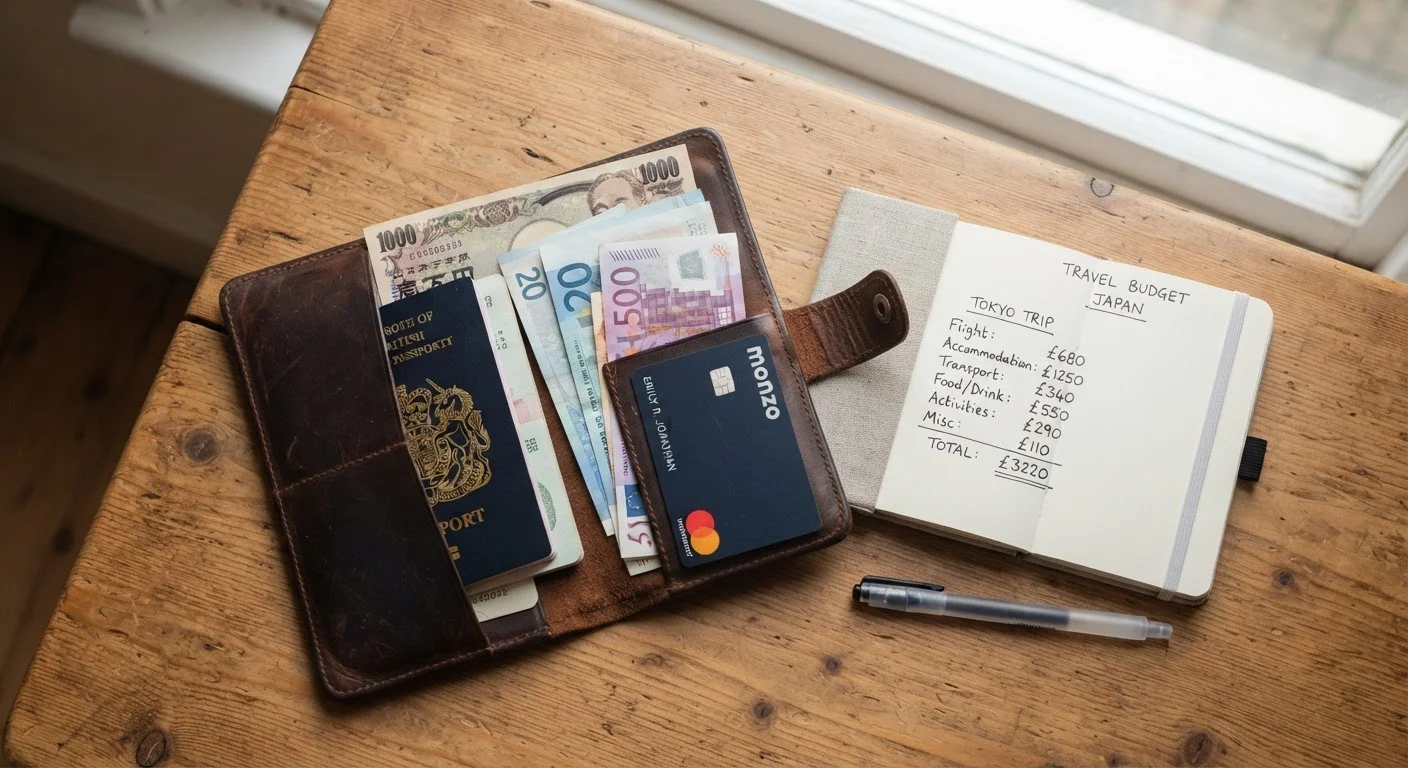
Photo credit: FaqInsider.com
In this article
Currency, card fees, travel insurance, and emergency funds—make sure your finances are in order before departure with this step-by-step pre-trip checklist.
Key Takeaways
- Notifying your bank before departure prevents cards from being frozen abroad.
- Foreign transaction fees and ATM charges can quietly add up to hundreds of dollars on a trip.
- A dedicated travel emergency fund separate from your spending budget is essential.
- Travel insurance can protect against major unexpected costs like medical emergencies or cancellations.
- Carrying a small amount of local currency at arrival prevents costly last-minute airport exchanges.
- Knowing your daily spending limit before you leave helps avoid running out of money mid-trip.
Why Financial Prep Is as Important as Packing
Most travelers spend hours researching flights and hotels but give their finances only a last-minute glance. That's a costly habit. Card freezes, surprise ATM fees, missed bill payments, and a budget that's already crumbled before you've hit day three - these are the travel headaches that are almost entirely preventable with a little advance planning.
This checklist walks you through every financial task worth completing before departure, organized from banking logistics to emergency preparedness. Whether you're heading abroad for two weeks or taking a domestic road trip on a tight budget, the fundamentals are the same: know your numbers, protect your access to money, and build in a cushion for the unexpected.
For a broader look at what tends to drain travel funds before you even notice, see why trip budgets run over. And if you want a complete pre-departure reference that goes beyond finances, the full pre-departure checklist covers everything from passport validity to emergency contacts.
Expense tracking app
Log daily spending in real time to stay within your daily budget limit throughout the trip.
Secure cloud storage
Store scanned copies of cards, insurance documents, and bank contact numbers in case originals are lost or stolen.
Travel insurance policy
Provides financial protection against trip cancellation, medical emergencies, and lost or delayed baggage.
No-foreign-fee debit or credit card
Minimizes the cost of every international transaction and ATM withdrawal during your trip.
Money belt or hidden pouch
Keeps a backup stash of cash and a spare card secure and out of reach of pickpockets.
How to Use This Checklist
Work through each group at least one week before your departure date - many tasks, such as ordering foreign currency through your bank or setting up automatic bill payments, take a few business days to complete. Items marked must are non-negotiable; skipping them carries a real risk of disrupting your access to money while you're away. Items marked should are strongly recommended for most trips, while nice-to-have items add an extra layer of confidence if you have time.
Print or screenshot the checklist and tick each item off as you go. Rushing through this the night before you leave is better than not doing it at all, but ideally you want breathing room to call your bank, compare insurance options, or sort out any account issues before the stress of departure day kicks in.
Always Separate Your Emergency Fund
Your emergency fund should never be mentally or physically merged with your travel spending money. A dedicated reserve - kept on a separate card or as a locked savings buffer - ensures that a medical bill, last-minute flight rebooking, or stolen wallet doesn't strand you with zero options. Even a modest cushion can be the difference between a recoverable situation and a genuine crisis.
Cards & Banking
Cash & Currency
Budget & Spending Plan
Emergency Fund & Insurance
Bills & Accounts at Home
After the Checklist: Staying on Budget on the Road
Completing this checklist puts you in a strong financial position at departure - but staying on budget once you're traveling requires ongoing attention. Log your daily spending honestly, check in against your daily limit every evening, and don't let a few splurge days derail the rest of your trip.
Understanding which expense categories tend to catch travelers off guard is half the battle. why travel budgets run out mid-trip breaks down the most common culprits. And if you're new to traveling internationally, what first-time international travelers need to know covers the bigger picture of financial and logistical readiness.
Finally, consider whether packing smarter could itself save money - traveling carry-on only eliminates checked-baggage fees entirely, which can represent a significant saving on shorter trips.
This article is for general informational purposes only and does not constitute financial, legal, or insurance advice. Fees, rates, and account terms vary by institution and may change. Verify current details directly with your bank, card issuer, and insurance provider before travel.

Author
Travel Editorial Team
Travel Editorial Team is the collective byline for our editorial team and contributor network. Articles published under this byline or an editorial pen name are researched, written, and reviewed according to our editorial standards for clarity, consistency, and independence before publication.
View all articles →