
Why Overseeding Fails and How to Get It Right
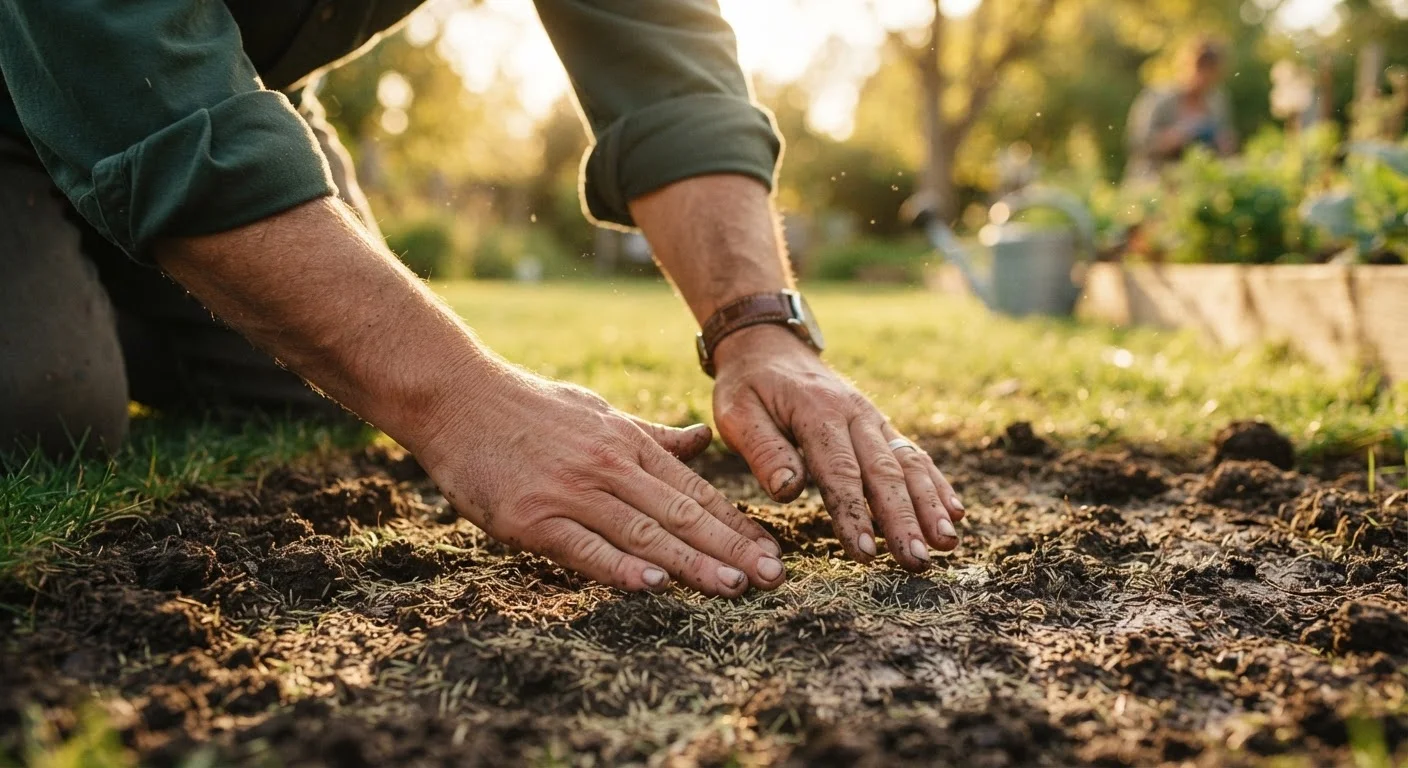
Photo credit: FaqInsider.com
In this article
Thin or patchy results after overseeding usually come down to a handful of fixable mistakes — from poor soil contact to wrong timing.
Key Takeaways
- Timing overseeding to your grass type's active growth window dramatically improves germination rates.
- Seed-to-soil contact is the single most common failure point - loose thatch blocks most seeds from reaching soil.
- Consistent moisture in the first two to three weeks is non-negotiable; letting seedlings dry out kills them quickly.
- Applying starter fertilizer instead of standard lawn fertilizer gives new seedlings the phosphorus they need to root.
- Mowing too soon or too aggressively after overseeding uproots fragile new grass before it establishes.
Why Overseeding Disappointments Are So Common
Overseeding - spreading new grass seed over an existing lawn - sounds straightforward, but a thin or patchy outcome is the norm for first-timers and even experienced homeowners who skip a critical prep step. The seed itself is rarely the problem. Germination failure almost always traces back to how and when the seed was applied, and what the soil environment looked like underneath.
Understanding the 'why' behind each mistake makes the fix obvious. If you've struggled with sparse results before, reading what your lawn is telling you before you seed again can help you diagnose whether the real issue is compaction, drainage, or something else entirely.
Overseeding at the wrong time of year for your grass type.
Why it happens: Many homeowners seed whenever bare spots appear rather than syncing to their grass's growth cycle. Cool-season grasses like tall fescue and Kentucky bluegrass germinate best in late summer to early fall; warm-season grasses like Bermuda and zoysia need late spring to early summer soil warmth.
Skipping dethatching or aeration before spreading seed.
Why it happens: Thatch buildup isn't always visible, and renting an aerator feels like an extra, optional step. Many homeowners scatter seed directly over existing turf, assuming it will work its way down.
Using the wrong seed for the existing lawn or local climate.
Why it happens: Seed is often chosen by price or packaging rather than by grass species match. Mixing incompatible varieties results in a patchy lawn with uneven texture and color even when germination succeeds.
Applying too little seed or spreading it unevenly.
Why it happens: Homeowners often underestimate coverage rates or try to stretch a bag further than recommended. Overseeding requires higher seeding rates than bare-ground seeding because existing turf competes with new seedlings.
Fertilizing with the wrong product at seeding time.
Why it happens: Many homeowners grab whatever lawn fertilizer is on hand, which is typically high in nitrogen. High nitrogen encourages top growth in existing grass, which then out-competes the seedlings.
Letting the seedbed dry out during the germination window.
Why it happens: Homeowners often water deeply but infrequently - the right approach for established lawns but fatal for germinating seed, which needs the top inch of soil consistently moist.
Getting Conditions Right Before You Spread a Single Seed
Most overseeding failures are locked in before the seed bag is ever opened. Soil preparation is where the investment of time pays off most.
50-65°F
Ideal soil temperature for cool-season grass germination
Soil temperature - measured at two inches deep - is a more reliable germination predictor than air temperature, according to university turfgrass extension guidance.
½ inch
Maximum thatch depth before dethatching is recommended
Turfgrass specialists generally recommend dethatching when thatch exceeds half an inch, as thicker layers block seed-to-soil contact and reduce water penetration.
Start by dethatching or core aerating - or both. Thatch thicker than about half an inch acts as a physical barrier, keeping seeds suspended above soil where they dry out and die. Core aeration goes a step further by pulling small plugs of soil, creating direct pockets for seeds to fall into and contact mineral soil. This is especially important on compacted lawns, where roots from both new and existing grass struggle to penetrate. The practices described in soil-building techniques that work over time apply directly here - organic matter and aeration together create the loose, moisture-retentive seedbed that new grass needs.
Once seed is down, keep the top inch of soil consistently moist. This typically means light, frequent watering - sometimes twice a day in warm or windy conditions - until seedlings reach mowing height. Letting the seedbed dry out even once during germination can eliminate most of what's sprouting. That said, be careful not to overdo it: waterlogged soil promotes fungal disease and poor root development. For more on finding that balance, see why overwatering harms lawns.
Don't Apply Pre-Emergent Herbicide Before Overseeding
Pre-emergent herbicides work by preventing seed germination - which means they block your new grass seed just as effectively as the weeds you're targeting. If you've applied a pre-emergent in the spring, wait the full recommended interval (often 8-12 weeks, depending on the product) before overseeding in fall. Check the product label for the specific waiting period, and when in doubt, consult your local cooperative extension service.
Finally, hold off on mowing new seedlings until they reach at least three to four inches tall, and set your blade high for the first few cuts. Mowing too soon tears fragile seedlings from soil before root systems can anchor them. If you're weighing whether overseeding is the right approach for your yard at all, comparing grass seed to sod can help you decide which path makes the most sense for your situation.

Author
Home & Garden Editorial Team
Home & Garden Editorial Team is the collective byline for our editorial team and contributor network. Articles published under this byline or an editorial pen name are researched, written, and reviewed according to our editorial standards for clarity, consistency, and independence before publication.
View all articles →