
The Pet Wellness Visit Explained: What Vets Check and Why It Matters
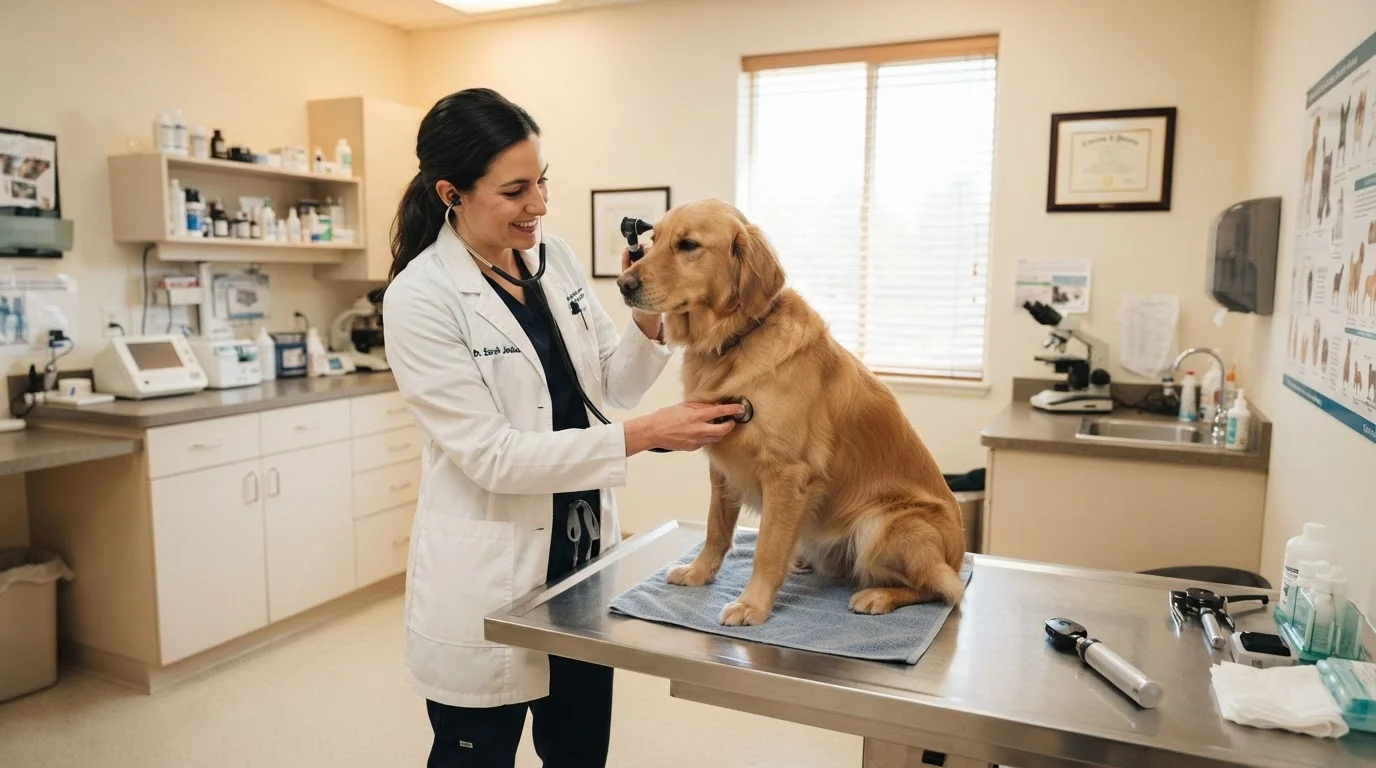
Photo credit: FaqInsider.com
In this article
Annual wellness exams aren't just for sick pets. Understand what your vet is looking for during a routine checkup.
Key Takeaways
- Wellness visits are designed to catch health problems before visible symptoms appear.
- Vets assess multiple body systems during one appointment, not just the presenting concern.
- Weight trends, dental health, and heart sounds are commonly overlooked but critical checks.
- Annual visits are a starting point; senior pets or those with chronic conditions may need more frequent exams.
- Bringing a list of behavioral changes or questions helps your vet give more accurate guidance.
What Actually Happens During a Wellness Exam
A wellness visit is far more than a quick weigh-in and a vaccine. From the moment your vet enters the room, they're observing how your pet moves, breathes, and behaves. The physical examination that follows is a systematic review of your pet's major body systems - all conducted in a single appointment.
Here's what a typical exam covers:
- Weight and body condition: Your vet records your pet's weight and assesses body condition score - a measure of whether your pet is underweight, at a healthy weight, or overweight. Weight trends over multiple visits reveal a lot about metabolism and diet.
- Eyes and ears: Vets look for discharge, cloudiness, redness, or signs of infection that owners often dismiss as normal aging.
- Mouth and teeth: Dental disease is one of the most common and underdiagnosed conditions in pets. Your vet will check for tartar buildup, gum inflammation, loose teeth, and oral masses.
- Heart and lungs: Using a stethoscope, your vet listens for irregular rhythms, heart murmurs, or abnormal breath sounds that can signal early cardiovascular or respiratory disease.
- Abdomen: Palpating the belly helps vets detect organ enlargement, discomfort, or unusual masses.
- Skin and coat: Dull coat, flaking, excessive shedding, or lumps under the skin can all point to allergies, hormonal issues, or other underlying conditions.
- Lymph nodes and musculoskeletal system: Swollen lymph nodes or stiff joints may signal immune system activity or the early onset of arthritis.
This structured approach is what separates a wellness exam from a reactive sick visit. For a broader look at how this fits into your pet's long-term care, see our guide on what preventive vet care actually covers.
Bring a Fresh Stool Sample
Many vets recommend a small stool sample at each annual visit to screen for intestinal parasites like roundworms, hookworms, or Giardia. These parasites can be present without any visible symptoms. A sample collected within 24 hours and stored in a sealed bag or container is sufficient.
Why Routine Visits Catch What You Can't See
Pets are instinctively good at hiding discomfort. By the time behavioral changes are obvious to an owner - reduced appetite, limping, lethargy - a condition may already be significantly progressed. Wellness visits create a medical record over time, turning individual data points into a meaningful trend line.
For example, a pet that loses half a pound may seem fine, but if that same pet has lost weight at each of the past three annual visits, it's a pattern worth investigating. This is why keeping consistent pet health records matters - your vet's ability to compare results year over year is a genuine diagnostic tool.
80%
Dogs with dental disease by age three
According to the American Veterinary Medical Association, dental disease is one of the most common conditions seen in adult pets, yet it remains underdetected by owners.
1 in 3
Pets diagnosed with a serious illness annually
Industry estimates suggest a significant proportion of pets develop a serious health condition each year, many of which are detectable during routine examinations before symptoms appear.
2x
Faster disease progression when caught late
Veterinary health organizations broadly note that conditions like kidney disease and heart disease are far more manageable when identified in early stages rather than after symptoms are apparent.
Conditions commonly caught early during routine wellness exams include:
- Kidney disease (through bloodwork or urinalysis)
- Hypothyroidism and hyperthyroidism
- Heart murmurs
- Early dental disease before pain sets in
- Skin masses that are benign when small but riskier if left unaddressed
For a deeper look at whether annual visits or as-needed care best fits your pet's life stage, the article on annual vs. as-needed vet care walks through the tradeoffs by species and age.
How to Make the Most of Your Pet's Appointment
Owners who arrive prepared get more out of a wellness visit. Your observations at home are clinical data - don't underestimate them. Before the appointment, take note of any changes in your pet's eating habits, water intake, sleep patterns, bathroom behavior, or energy level, even if they seem minor.
A few practical steps that help:
- Write down your questions ahead of time. It's easy to forget what you wanted to ask once you're in the room. A short list ensures nothing gets skipped.
- Mention behavioral changes, not just physical ones. Increased clinginess, sudden aggression, or hiding can all be early signs of pain or illness.
- Ask what the exam found - specifically. Request plain-language explanations for anything flagged, including what it might mean if left unaddressed.
- Confirm the next recommended visit date. Ask whether your pet's age or health status warrants more frequent checkups going forward.
Between visits, a monthly at-home check covering your pet's eyes, ears, teeth, coat, and weight can help you catch changes sooner. The monthly pet wellness checklist is a practical starting point for building that habit.
This article is for general informational purposes only and is not a substitute for professional veterinary advice. Always consult a licensed veterinarian for guidance specific to your pet's health needs.
Frequently Asked Questions

Author
Pets & Animals Editorial Team
Pets & Animals Editorial Team is the collective byline for our editorial team and contributor network. Articles published under this byline or an editorial pen name are researched, written, and reviewed according to our editorial standards for clarity, consistency, and independence before publication.
View all articles →