
Why Your Pet's Drinking Habits Are Worth Paying Attention To
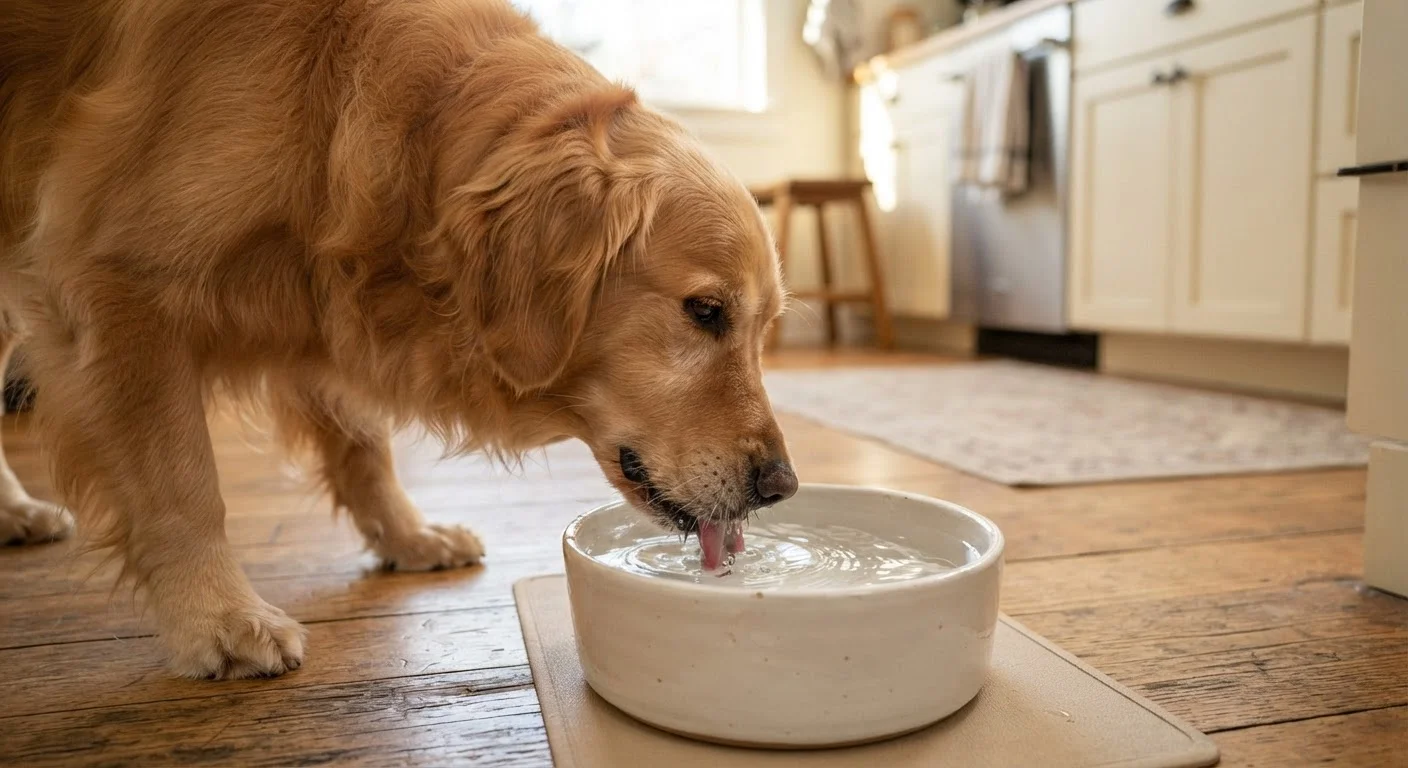
Photo credit: FaqInsider.com
In this article
Sudden changes in how much your pet drinks can signal underlying health issues. Learn what's considered normal and when to call your vet.
Key Takeaways
- A sudden, sustained change in how much your pet drinks is worth reporting to a veterinarian.
- Both increased and decreased water intake can indicate underlying health issues.
- Diet, weather, and activity level all naturally influence daily water consumption.
- Tracking your pet's typical drinking habits makes it easier to notice meaningful changes.
- Many conditions causing thirst changes are manageable when caught early.
Why Drinking Habits Are a Window Into Your Pet's Health
Most pet owners notice the big, obvious signs that something is wrong - limping, vomiting, a dramatic change in appetite. But water intake is one of those quieter signals that's easy to overlook, even though it can be remarkably informative. How much your pet drinks on a daily basis reflects what's happening inside their body, from basic hydration to kidney function to hormonal balance.
The kidneys, liver, adrenal glands, and pancreas all play roles in regulating thirst and fluid balance. When any of these systems are under stress, drinking behavior is often one of the first things to shift. That's why veterinarians frequently ask about water intake during wellness exams - it's a low-effort data point that carries real diagnostic weight.
For more foundational guidance on your pet's overall wellness, the Pet Health & Wellness hub offers a broad range of practical care information.
What's Normal - and What Naturally Varies
Before you can spot an abnormal drinking pattern, it helps to understand what normal looks like for your individual pet. Baseline water needs vary by species, size, age, diet, activity level, and even the season.
~1 oz/lb
Daily water guideline for dogs
Veterinary guidelines generally suggest dogs need approximately 1 ounce of water per pound of body weight each day, though this varies with diet and activity.
3-4x
More urine output with kidney disease
Pets with chronic kidney disease can produce several times the normal urine volume as the kidneys lose their ability to concentrate fluid efficiently.
Up to 80%
Water content in wet pet food
Canned and wet pet foods typically contain 70-80% moisture, meaning pets on these diets naturally consume significantly less water from their bowls.
Pets eating wet or raw food diets typically drink less than those on dry kibble, because moisture is already built into their meals. A dog who just came back from a long hike will drink more than one who spent the day napping. Hot weather, indoor heating, and nursing mothers all push water intake higher. These variations are expected and healthy.
What you're watching for is a change from your pet's own normal - not a comparison to another animal. That's why observing your pet's routine over time matters. If you're also noticing shifts in appetite alongside drinking changes, our article on what it means when your pet stops eating may provide helpful context.
Increased Thirst: When Drinking More Is a Signal
Persistently drinking more water than usual - a condition veterinarians call polydipsia - is one of the more commonly reported owner concerns. It's associated with a range of conditions that span from manageable to serious.
- Diabetes mellitus: Excess blood sugar causes glucose to spill into the urine, pulling water with it and triggering intense thirst.
- Kidney disease: Damaged kidneys lose the ability to concentrate urine efficiently, so pets urinate more and compensate by drinking more.
- Cushing's disease (hyperadrenocorticism): An overproduction of cortisol - more common in dogs - frequently causes dramatically increased thirst and urination.
- Pyometra: A serious uterine infection in unspayed female dogs that often presents with sudden increased drinking.
- Certain medications: Steroids and some other drugs are known to increase thirst as a side effect.
Increased thirst alone isn't a diagnosis - it's a prompt to investigate. Understanding when thirst changes signal trouble can help you decide how urgently to act.
Keep a Simple Drinking Log Before Your Vet Visit
Before calling your vet about a drinking change, spend two to three days measuring how much water your pet consumes. Note the date, amount offered, amount remaining, and any contextual factors like heat or exercise. This simple log gives your vet concrete data to work with and can significantly speed up the diagnostic process.
Drinking Less: An Underappreciated Warning Sign
While excessive drinking gets more attention, drinking too little can be just as concerning. Dehydration develops quickly in pets - particularly in cats, who already have a naturally low thirst drive compared to dogs.
Reduced water intake may occur alongside nausea, pain, dental discomfort, or general malaise. A pet who is feeling unwell may simply stop engaging with their water bowl. This is especially relevant for cats, where low water consumption is a known risk factor for urinary tract disease and kidney problems over time.
If you're unsure whether your pet is adequately hydrated, the "skin tent" test is a rough home check: gently pinch the skin at the back of the neck and release it. In a well-hydrated pet, it snaps back quickly. Slow return suggests dehydration - and warrants a vet call. For a deeper look at hydration status, see hydration and your pet.
How to Monitor Drinking Habits at Home
You don't need any special equipment to start paying attention to your pet's water intake - just a measuring cup and a habit of noticing. Fill the bowl with a known quantity each morning, and check roughly how much remains at the same time the following day. Doing this for a week gives you a reliable personal baseline.
Keep a few things in mind when tracking:
- Account for all water sources - a second bowl, outdoor puddles, or water from wet food.
- Note the context: Was it a hot day? Did they exercise more? Did their food change?
- Write it down. Memory is unreliable over days; a simple note on your phone is enough.
If you notice a sustained change - not just a one-day blip - bring those observations to your veterinarian. That information helps them narrow down the cause much faster than a general exam alone. Older pets especially benefit from close monitoring; senior pets can show subtle health shifts that are easy to miss without a baseline.
Regular vet visits also create the right opportunity to discuss these patterns. If you're weighing how often to schedule checkups, annual vet visits versus as-needed care is worth reading.
This article is for general informational purposes only and is not a substitute for veterinary advice. Always consult a licensed veterinarian if you have concerns about your pet's health.
Frequently Asked Questions

Author
Pets & Animals Editorial Team
Pets & Animals Editorial Team is the collective byline for our editorial team and contributor network. Articles published under this byline or an editorial pen name are researched, written, and reviewed according to our editorial standards for clarity, consistency, and independence before publication.
View all articles →